
On the night of 16 November 2026 we drew a film. It is original, it has no dialogue and no words on screen, and it is sixty seconds long, with the soundscape and score the model drew from the prompts’ sound fields: four scenes of 15.08 seconds, each drawn in one piece, each starting from the last picture of the one before. One RTX 5090 drew all of it, in 126 minutes 26 seconds (2.1 hours of one card). Our Claude agent wrote the script, our own Qwen model turned the script into the shot prompts, and ComfyUI ran MiniMax H3 through its official nodes.
We also drew a fifth scene three ways, to see which way keeps one person looking like herself in a new place, and we are drawing the whole film again at ten lower settings to find the cheapest preview that is still worth watching. This post is the whole record of that test: what we changed, what we had got wrong and fixed, every scene’s time and memory, the prompts, the pictures and clips, and what our admin chose, in his own words.
A rule for reading it: every number below was measured on the card or counted from a log, and the post says which. Where a result has not landed yet it says that, and where a choice is a person’s, it is given in that person’s words and not ours.
What we set out to draw
The film is called SALT TIDE. A courier called Ima carries a glowing seed across a flooded mirror plain at dawn, two wardens hunt her, and a vast translucent light-creature, a tide-ray, rises and changes the chase. She reaches a small glass garden and plants the seed. There is no dialogue and no text on screen. It has four scenes of fifteen seconds, and each scene has four or five shots, each with its own cut time.
The script fixes how every person and thing looks, so that a model reading only words can draw them again and again. Ima is about thirty, with dark-brown skin and a short black braid. She wears a rust-orange hooded storm cloak (#B5481F) over a charcoal flight suit (#2B2E33), a cream scarf (#EDE4D0), and goggles pushed up on her forehead, and she carries a brass canister at her hip with three round windows glowing warm amber (#FFB347). The wardens are in matte bone-white armour with one thin amber visor slit. The skiffs are matte graphite with a brass rail. The tide-ray is pale blue-green (#7FD3C9) with glowing veins. The sun is at the left of the frame in every scene, and Ima always travels toward the right.
Scene 5 is not part of the story. It is an identity test: Ima returns in a workshop, a new place with new light, and we draw it three ways (the section on scene 5 below).
Every scene was drawn the same way. 1344 by 768 pixels, 20 steps, no LoRA, tiled decode, seed 4242, 362 frames (15.08 seconds at 24 frames a second). That is the official template’s own full-quality default.
What we changed
Six things, in the order they mattered.
- The official nodes replaced the community pack. We had been drawing H3 with a community pack that chains several boxes together. The pack refuses a box over 362 frames (15.08 seconds), and its chains lost the people from one box to the next. ComfyUI’s own MiniMax H3 nodes, wired as the official templates wire them, draw a whole fifteen-second scene in one go.
- One generation per scene. The model wants a frame count of the form 17k+5, and 362 is 21 × 17 + 5. A scene is exactly one such run, so there is no chain to lose anybody in. ComfyUI’s tutorial for the model puts the rule in four words: “snap to 17k+5 frames”.
- Text-to-video when there are no pictures, reference-to-video when there are. With no reference pictures a scene is drawn from words alone; with pictures it is drawn by the reference-to-video node, which takes one connection for each picture (at most nine) and not one batch of them.
- Each scene starts from the last frame of the one before. Scenes 2, 3 and 4 are drawn by the image-to-video route, with the previous clip’s last frame as the opening picture and the opening line that MiniMax’s prompt guide fixes for a continuing scene. It ran for all three scenes without a failure. How far it drifts over many scenes, and how the sound behaves across a join, we have not measured yet.
- No negative prompt. The official templates have none: the guider takes no negative and there is no classifier-free guidance. Our scene graphs have none either, and a test holds that.
- The words follow MiniMax’s own prompt guide. The guide sets out a prompt in fixed sections: the look first, then each shot with its cut time, then the sounds and the music, and the reference-to-video form adds sections for the subjects and for what must be kept. Our studio can now write the words that way, as a setting an owner turns on.
Two tests hold this. One compares every graph we use with the official template it comes from, node by node, and every difference has to be listed with its reason. The other holds the no-negative rule.
What we had got wrong, and how each was fixed
- Chained boxes capped at 362 frames, losing the people. The cause was the pack’s own limit. Fixed by the one-generation route; checked by two test scenes and then the four scenes of this film.
- Reference-to-video refused at once when the pictures went in as one batch. The node takes one connection per picture, named for its position, and a batched tensor fails inside it. Fixed in the tool and in the studio’s graph; checked on the card with a two-person run (960×544, 20 steps, 584 s, 23.7 GB peak) and by a test.
- A hand tool swapped the eight-step turbo LoRA for the four-step one without saying so when a machine lacked the first. It now stops, with words, and a test of the tool says so.
- We told ourselves the soundscape line removes the background hiss, and it does not. On the same picture, a quieter soundscape line lowered the quietest quarter-second windows by 9.1 dB (from -56.2 to -65.3 dB) but left the median where it was (-40.2 to -41.5 dB). We corrected it after the admin listened: with rain on the glass in four shots, the model sounds the rain whatever the line says, and a dry kitchen with no rain in the picture came out clean. The hiss follows the picture. Our first reading overreached, and the record says so.
- A full-video finishing glitch, a race between the finish and a background encode. A resume clears it. Dropping a held job stays a person’s decision.
- The second sampler of the two-pass clip of LTX, another video model we run, was a different one from the official template’s (euler_ancestral). Fixed, and held by the template test.
From script to shots: who wrote what
The script is Claude’s: the story, what each scene is for, what each person looks like, where every cut falls. The shot prompts are our Qwen’s. A script becomes a prompt in two parts. The Qwen writes the creative parts (the look, each shot’s framing, camera move and action with the person’s exact appearance restated, the description of the place and its light, the soundscape and the score), and code writes or fixes the rest: the layout of the three fields, each shot’s tag and its cut time (taken from the script’s own windows), the sentence that says how many people appear, the sentence that restates a person’s exact appearance with the script’s colours, and the opening line of a continuing scene.
| Scene (mode) | Calls | Tokens in | Tokens out | of it reasoning | of it answer | Seconds |
|---|---|---|---|---|---|---|
| 1 (text-to-video) | 1 | 1,596 | 10,602 | 9,727 | 875 | 241 |
| 2 (image-to-video) | 1 | 1,752 | 18,704 | 17,806 | 898 | 421 |
| 3 (image-to-video) | 1 | 1,730 | 12,923 | 12,142 | 781 | 296 |
| 4 (image-to-video) | 1 | 1,836 | 23,631 | 22,812 | 819 | 638 |
| 5 the workshop (text-to-video) | 3 | 5,363 | 41,931 | 39,242 | 2,689 | 757 |
| 5c, scene 5 as reference-to-video | 2 | 3,696 | 31,786 | 29,733 | 2,053 | 711 |
| all | 9 | 15,973 | 139,577 | 131,462 | 8,115 | 3,064 |
That is 9 calls, 139,577 tokens out, 131,462 of them (94.2%) the model’s reasoning before it answers, and 51 minutes of Qwen time for the whole film. Scenes 1 to 4 ran side by side, in about sixteen minutes on the clock. Two scenes needed more than one call, and the reasons are the useful part. Scene 5 took three: the first failed a code check (a required word was missing); the second passed the code but a person reading it found the word on the room and on her face, not on her cloak, so the check was tightened; the third passed. The reference-to-video version of scene 5 needed one failed call, a reasoning loop that never produced an answer (215 seconds, no tokens counted), and then two that did. Every reply finished normally; the thinking is on for every call.
The rows add to 3,064 seconds where the log’s own total says 3,063; we say about 51 minutes.
Every prompt passes three groups of checks before it is drawn: the model’s free parts (six kinds of part, each a text within its length, only the scene’s own shots and people, no placeholder, no other character named), the shape of the assembled prompt (about fourteen rules in code for the text and image forms), and the reference form’s own sections. Here is scene 1’s prompt in full, exactly as it went to the model.
integrated_multimodal_description: A vast flooded salt plain stretches to the horizon as a perfect mirror, pale salt-white and teal water reflecting every shape. The low sun stands at the left of the frame, throwing long soft shadows and warm amber light across the water, with a salt ridge far behind. Exactly one person appears in this scene: Ima. [Shot 1] live-action, anamorphic, fine 35 mm grain, soft horizontal flares, pale salt-white and teal with warm amber and rust-orange, an extreme wide shot, low and locked off frames the scene, the camera holds locked off, low to the water, with no movement. The low sun stands at the left of the frame. Ima, about 30, dark-brown skin, short black braid, rust-orange hooded storm cloak over charcoal flight suit, cream scarf, brass-ringed goggles on her forehead, brass canister with three amber windows at her hip, rides a low narrow matte graphite skiff with brass rail and one engine toward screen-right. Ima is about 30, dark-brown skin, a short black braid, a rust-orange (#B5481F) hooded storm cloak over a charcoal (#2B2E33) flight suit, a cream (#EDE4D0) scarf, round brass-ringed goggles pushed up on her forehead, a palm-sized brass canister at her hip with three round windows glowing warm amber (#FFB347). [Shot 2] At 00:04.000, the shot cuts to a medium tracking shot beside her, the camera tracks right beside her at her speed, with small amplitude. The camera moves right beside Ima, about 30, dark-brown skin, short black braid, rust-orange hooded storm cloak over charcoal flight suit, cream scarf, brass-ringed goggles on her forehead, brass canister with three amber windows at her hip. She crouches at the tiller of a low narrow matte graphite skiff with brass rail and one engine, cloak whipping, spray lit gold. [Shot 3] At 00:08.000, the shot cuts to a close-up of the canister at her hip, the camera holds close, then pulls focus from the canister to her eyes. Close on Ima, about 30, dark-brown skin, short black braid, rust-orange hooded storm cloak over charcoal flight suit, cream scarf, brass-ringed goggles on her forehead. The palm-sized brass canister at her hip, with three round windows glowing warm amber, pulses once. Focus pulls to her eyes as she looks back. [Shot 4] At 00:12.000, the shot cuts to a wide shot from behind her, the camera holds wide from behind her, low and still, as the specks rise. From behind, sun at left, Ima, about 30, dark-brown skin, short black braid, rust-orange hooded storm cloak over charcoal flight suit, cream scarf, brass-ringed goggles on forehead, brass canister with three amber windows at hip, in a low narrow matte graphite skiff with brass rail and one engine, moving screen-right. Far back, two pale specks rise over a salt ridge.
overall_soundscape: Water hisses along the mirror surface, and the skiff makes a low hum. Wind moves through the cloak, while a faint ticking comes from the canister.
non_diegetic_music: A low analog drone holds at a slow, steady pulse. A lone cello enters and states a three-note rising motif. The motif repeats with slight variation while the drone continues.
Notice how much of it is the same sentence. Every shot restates Ima’s clothes in words, because the model keeps nothing from one shot to the next and the words are all it has. That is the cost of drawing without a reference picture, and it is the thing scene 5 tests.
The four scenes: time and memory on one card
| Scene | How it starts | Frames | Generation seconds | As minutes | Peak card memory (MB) | File (MB) |
|---|---|---|---|---|---|---|
| 1 | text-to-video | 362 | 1,840.8 | 30 minutes 41 seconds | 28,861 | 6.86 |
| 2 | continues from scene 1’s last frame | 362 | 1,916.1 | 31 minutes 56 seconds | 25,632 | 7.95 |
| 3 | continues from scene 2’s last frame | 362 | 1,913.9 | 31 minutes 54 seconds | 25,604 | 7.29 |
| 4 | continues from scene 3’s last frame | 362 | 1,915.2 | 31 minutes 55 seconds | 25,584 | 7.26 |
The four scenes cost 7,586.0 seconds on one card, which is 126 minutes 26 seconds. Each scene took between 1,840.8 and 1,916.1 seconds, so the cost per scene is steady, at about thirty-one to thirty-two minutes. Peak memory was between 25,584 and 28,861 MB. Scene 1 started with 22,647 MB already in use on the card and peaked at 28,861 MB; scenes 2 to 4 each started with 10,433 MB in use and peaked within 48 MB of one another (25,584 to 25,632). We have not isolated why scene 1 peaked higher.
The film is cut from the four clips. A continuing scene starts from the previous scene’s last frame (frame 361), so its own frame 0 repeats that picture. Each join drops the later scene’s frame 0, and the first 24th of a second of its sound, so that no picture shows twice. The arithmetic: 362 frames for scene 1 and 361 each for the three that follow, which is 1,445 frames, 60.21 seconds at 24 frames a second. The joined file measures 1,445 frames and 60.21 seconds.
A longer scene costs more than its length. Our earlier eight-second test (192 frames, same size and steps) took 597.9 s, which is 74.7 card-seconds for each second of film. An earlier fifteen-second test took 1,852 s: 122.8 card-seconds for each second. The scene is 1.89 times as long and costs 3.1 times as much.
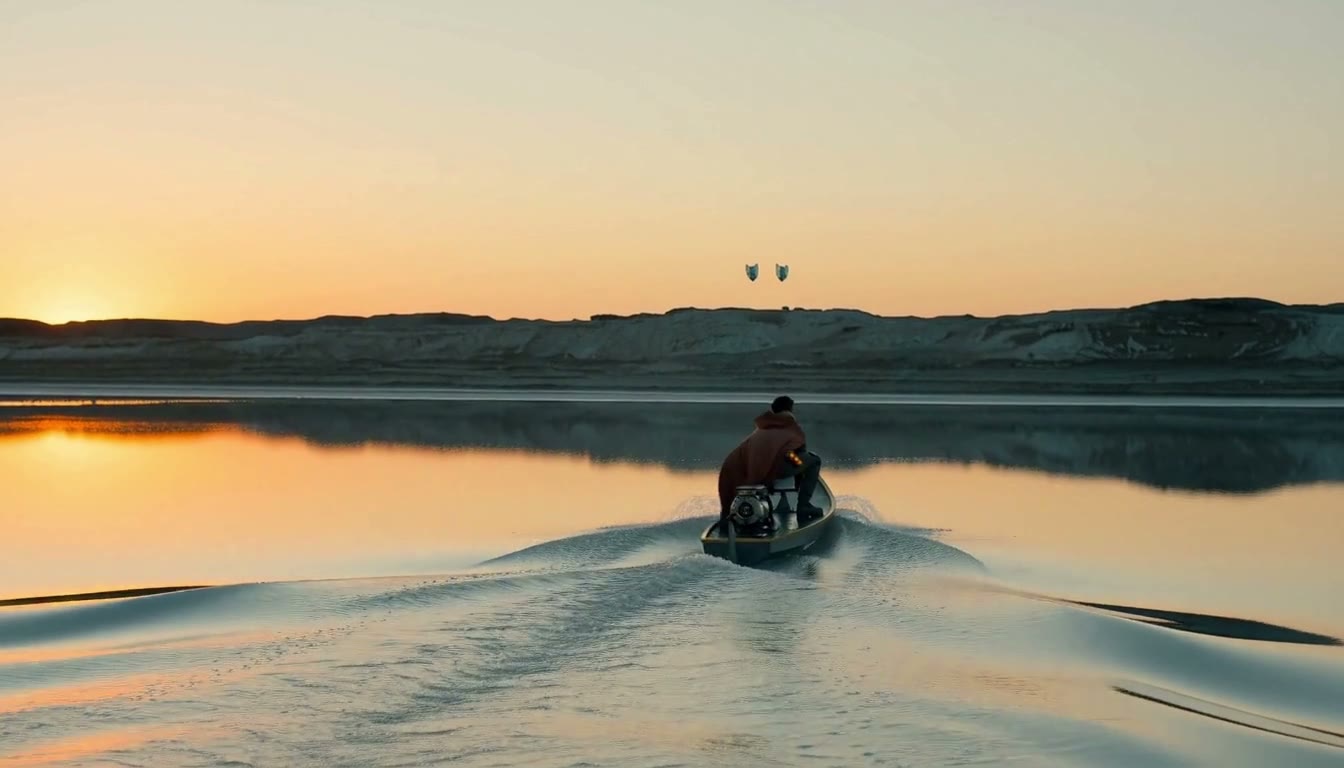
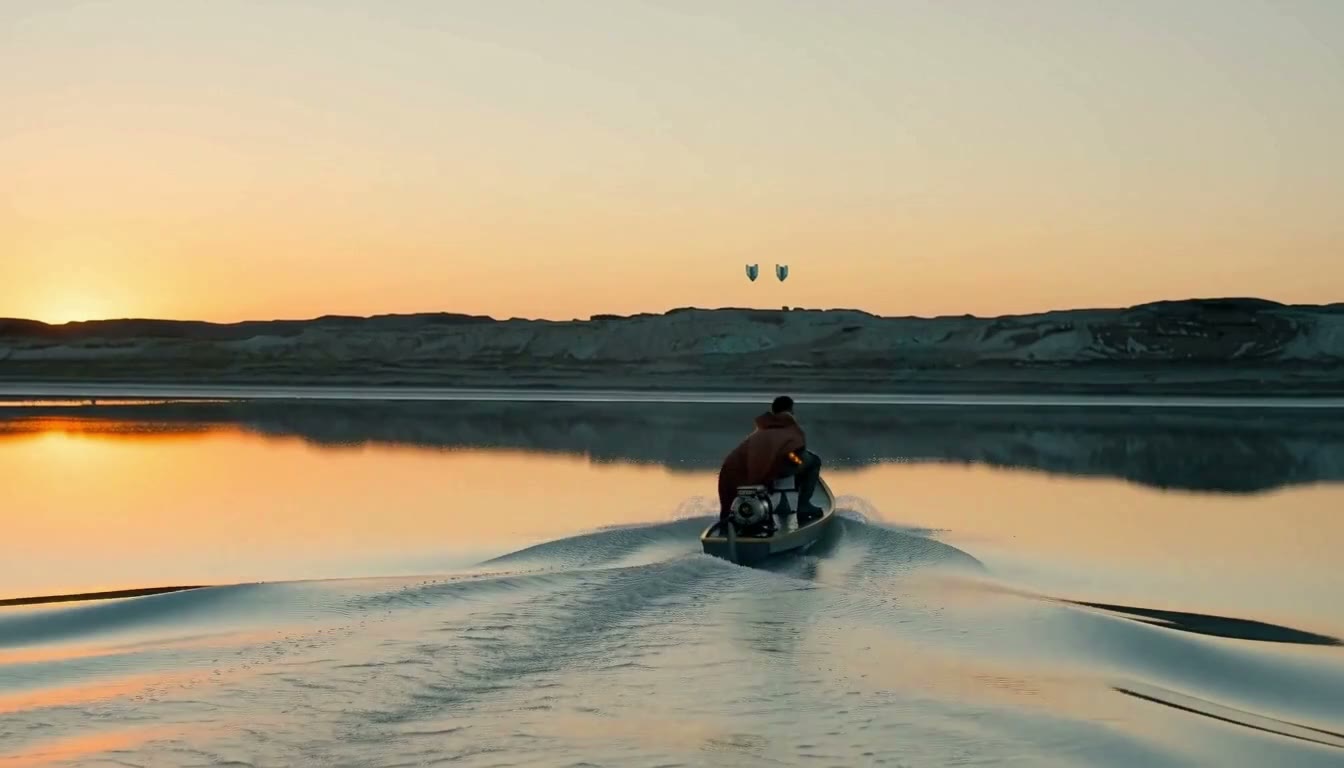
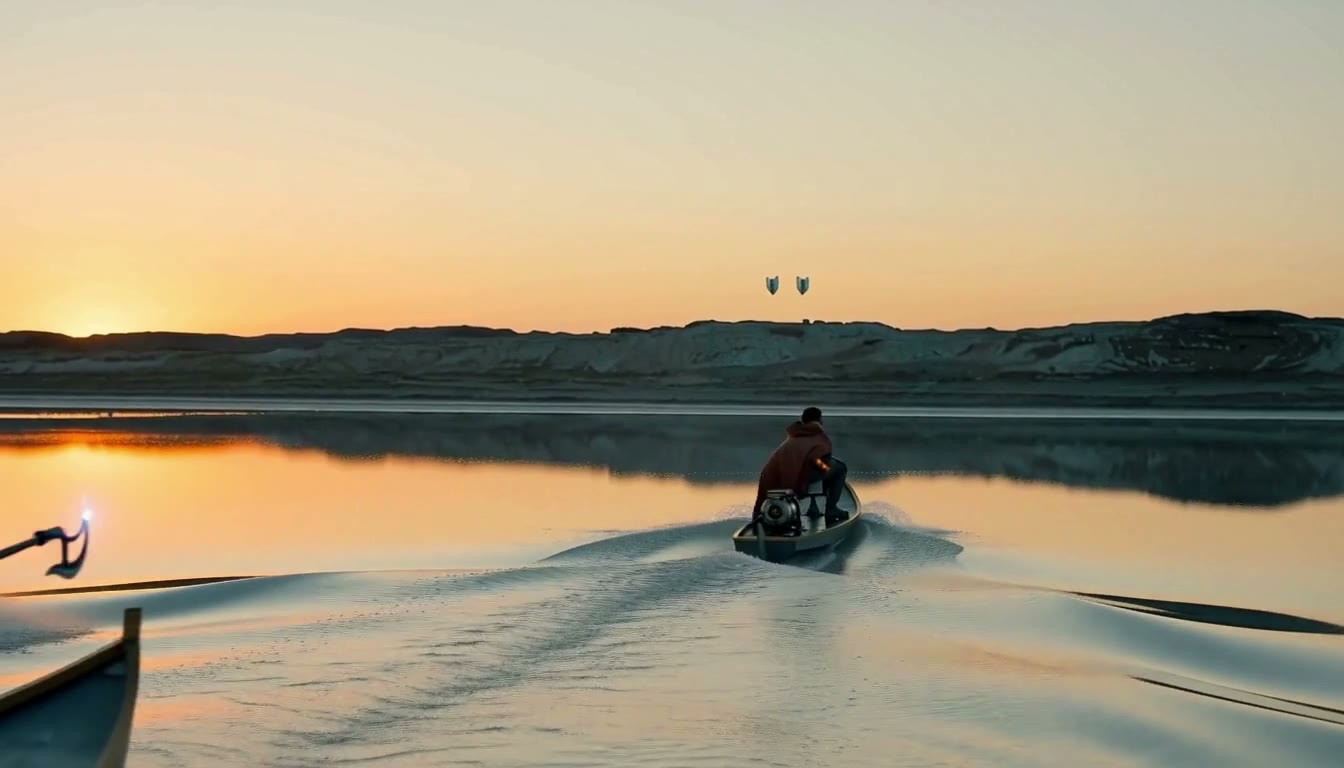
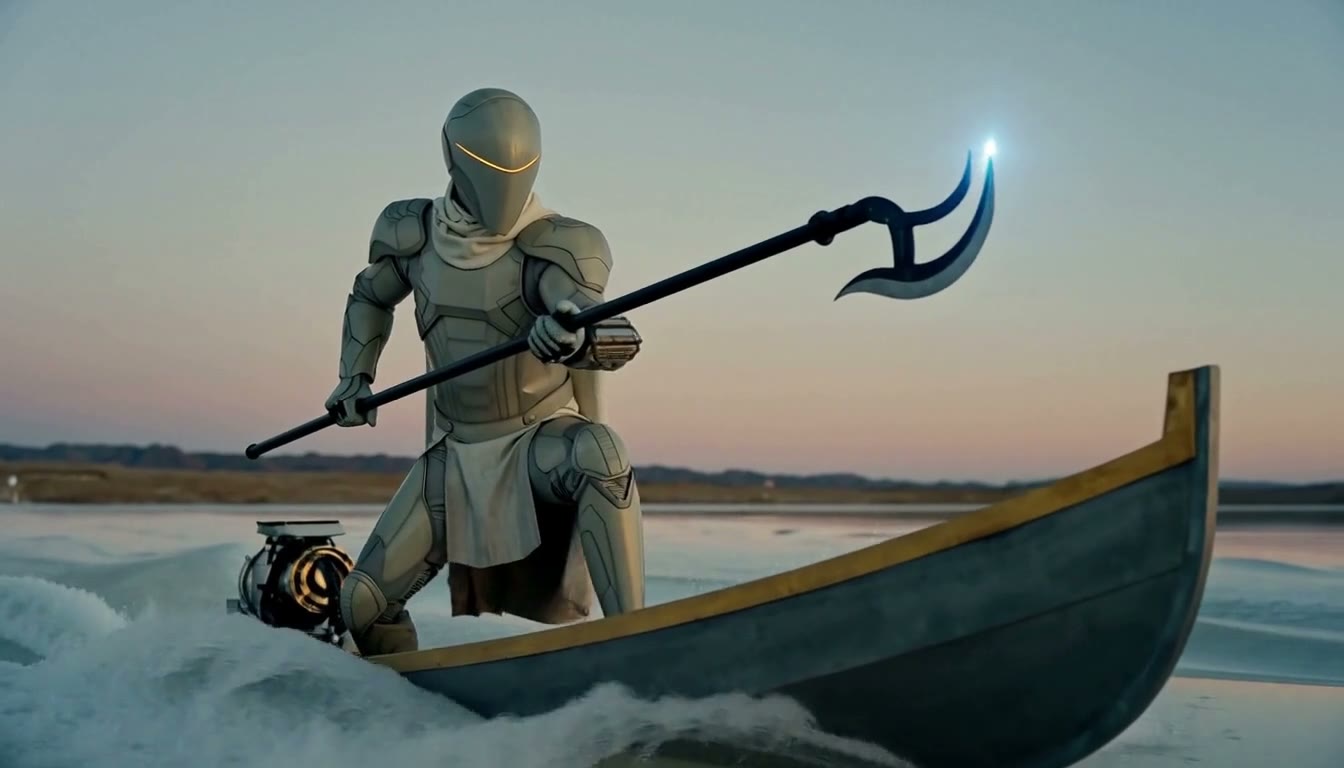
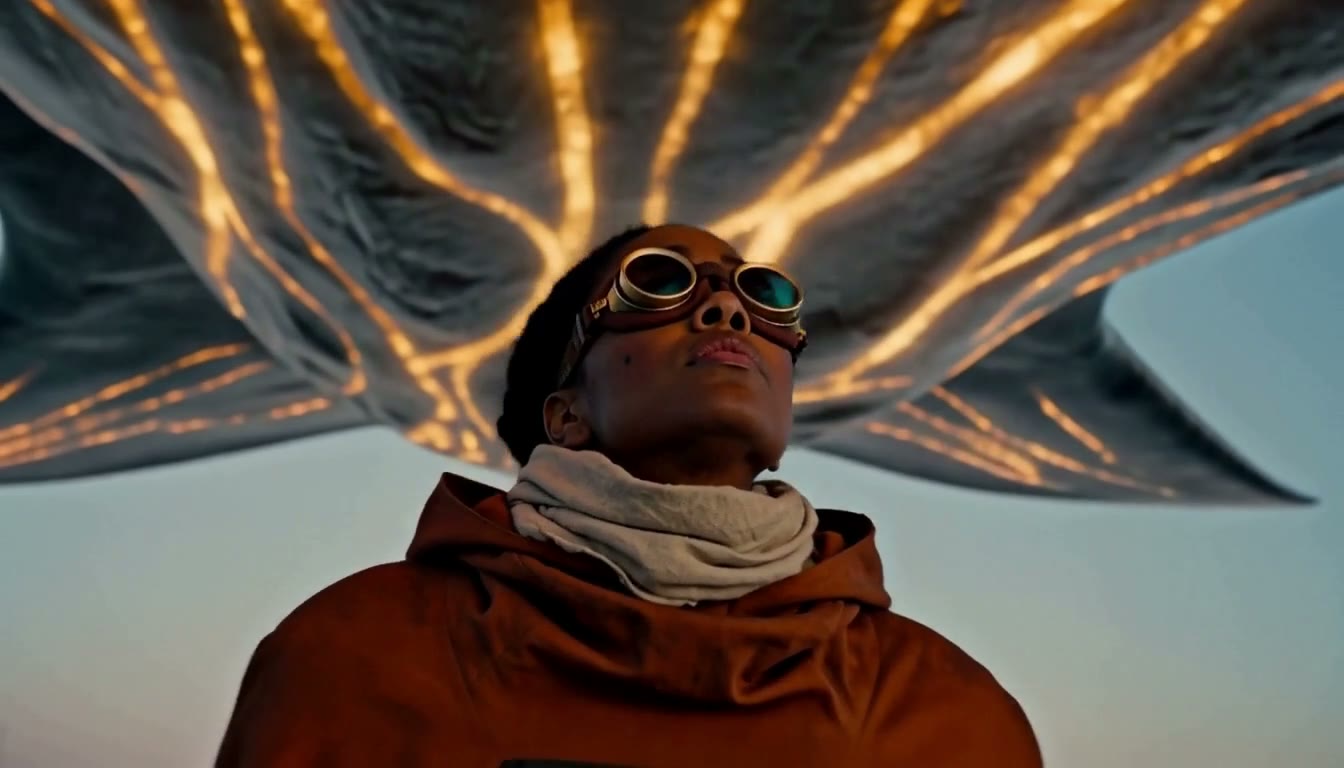
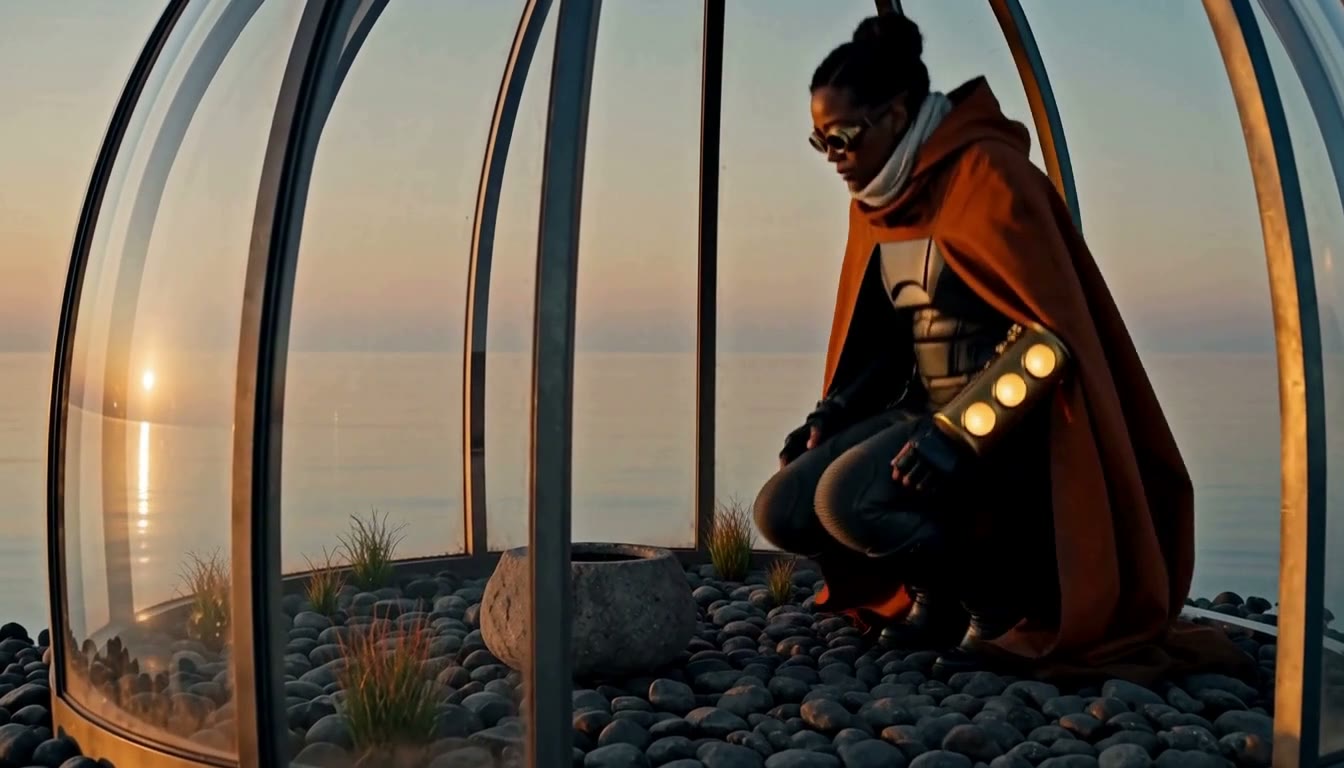
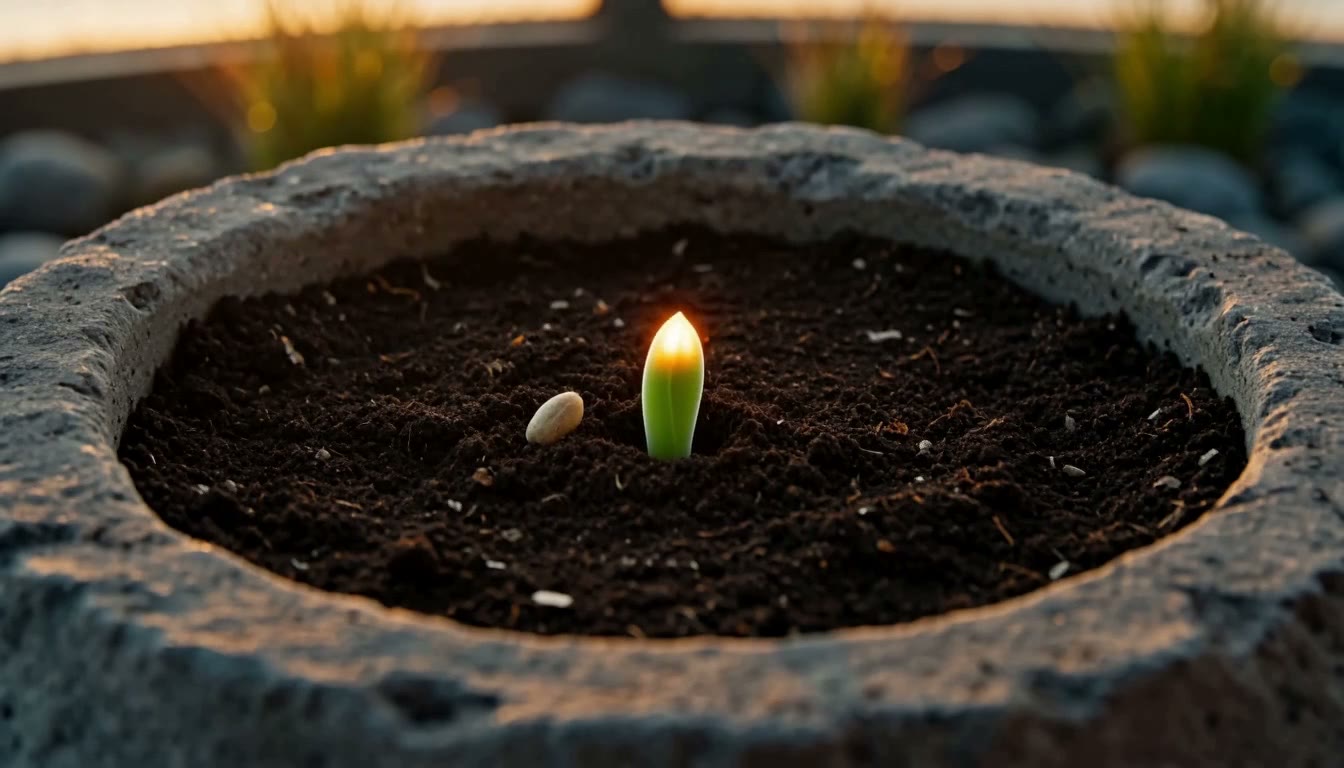
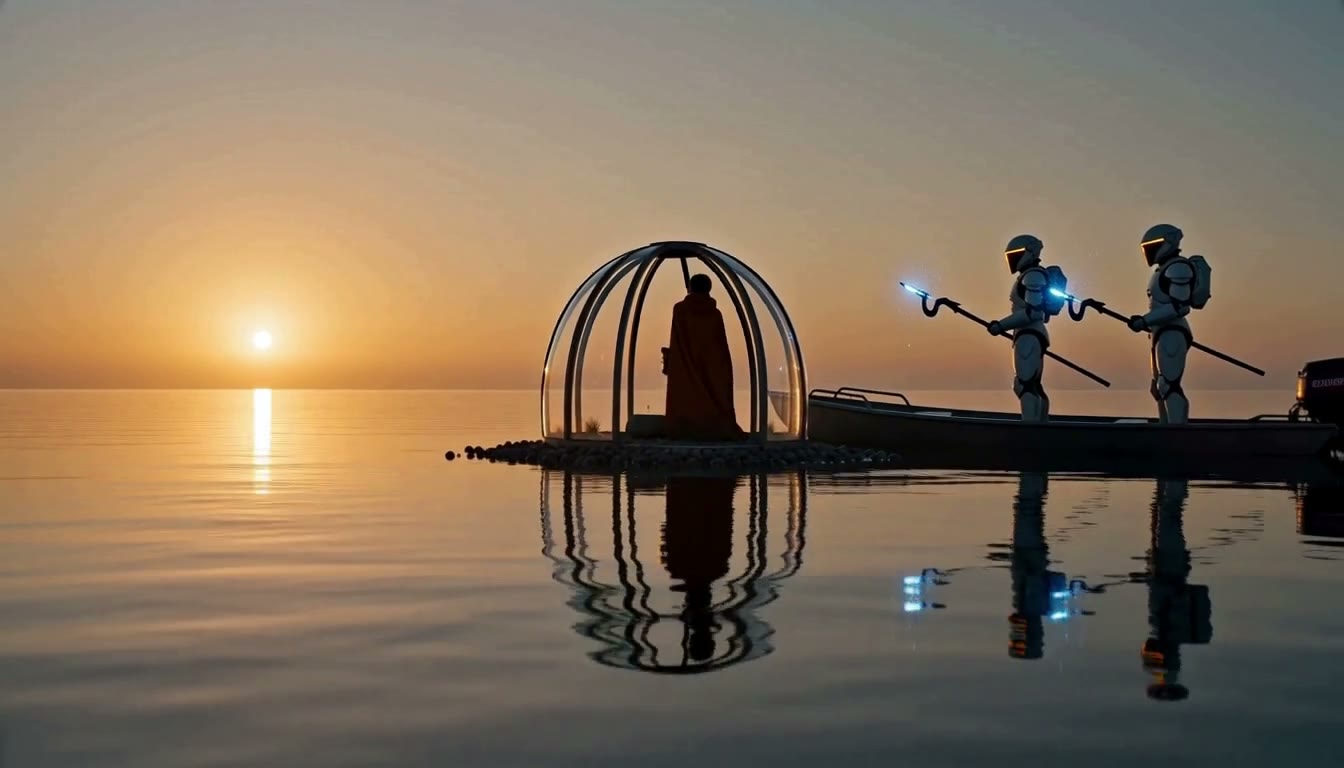
Here are the four scenes. Each row of pictures is five frames of that clip, cut by frame number (a frame number divided by 24 is the time in seconds), so that nothing is picked by eye. The clips on this page are not our files as drawn: they are published copies, with the Optra Studio logo laid in the corner, no metadata, and re-encoded to a size a phone can play. A scene is 6.5 to 7.6 MB as a copy against 6.9 to 8.0 MB as drawn; the longer films are re-encoded harder, so they lose more detail than the scenes do.
Scene 1, Dawn crossing
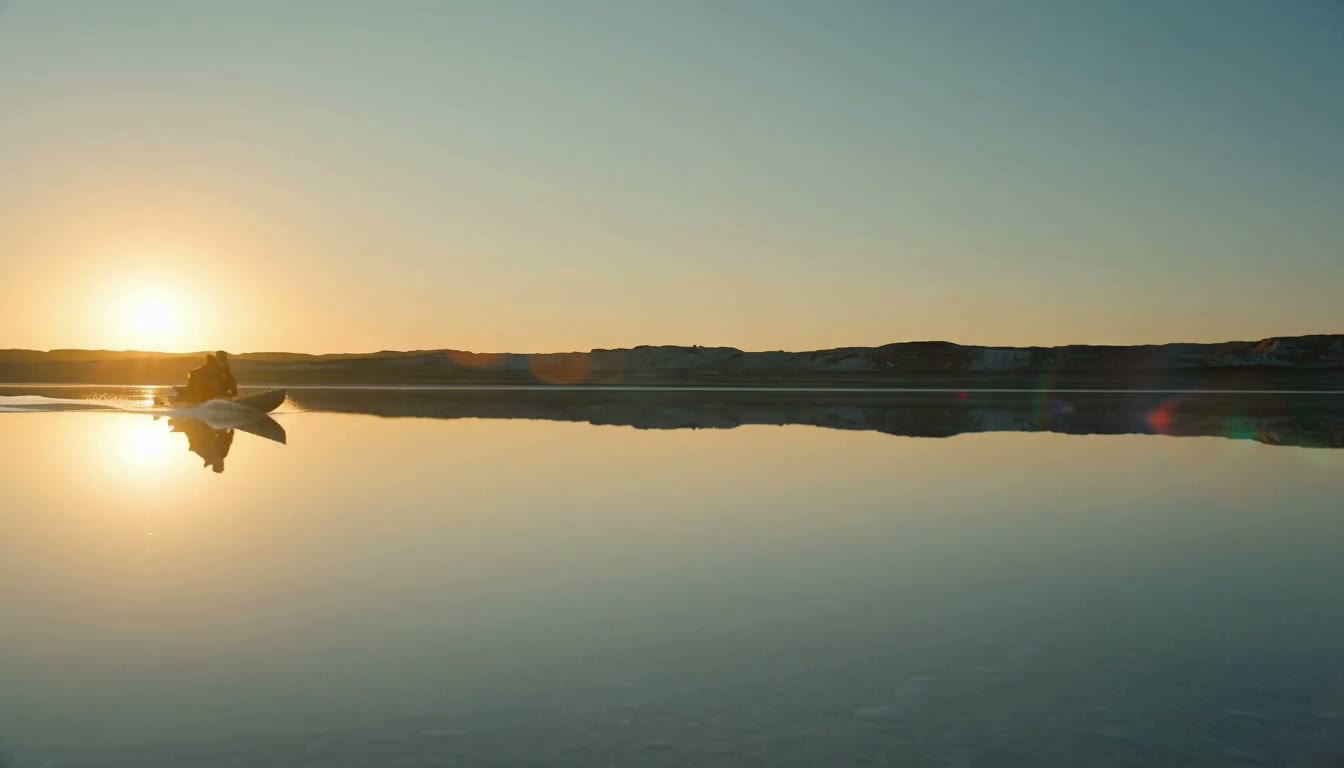
0.00 s
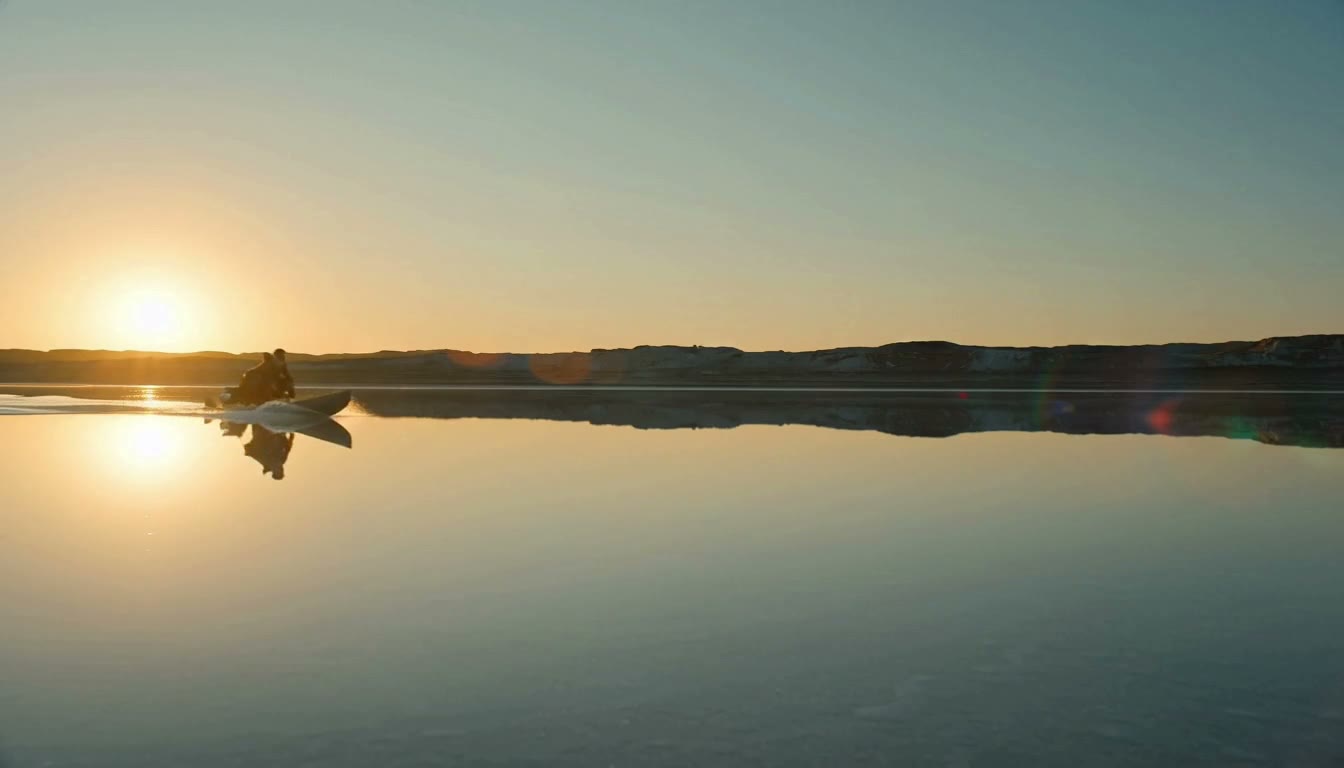
0.50 s
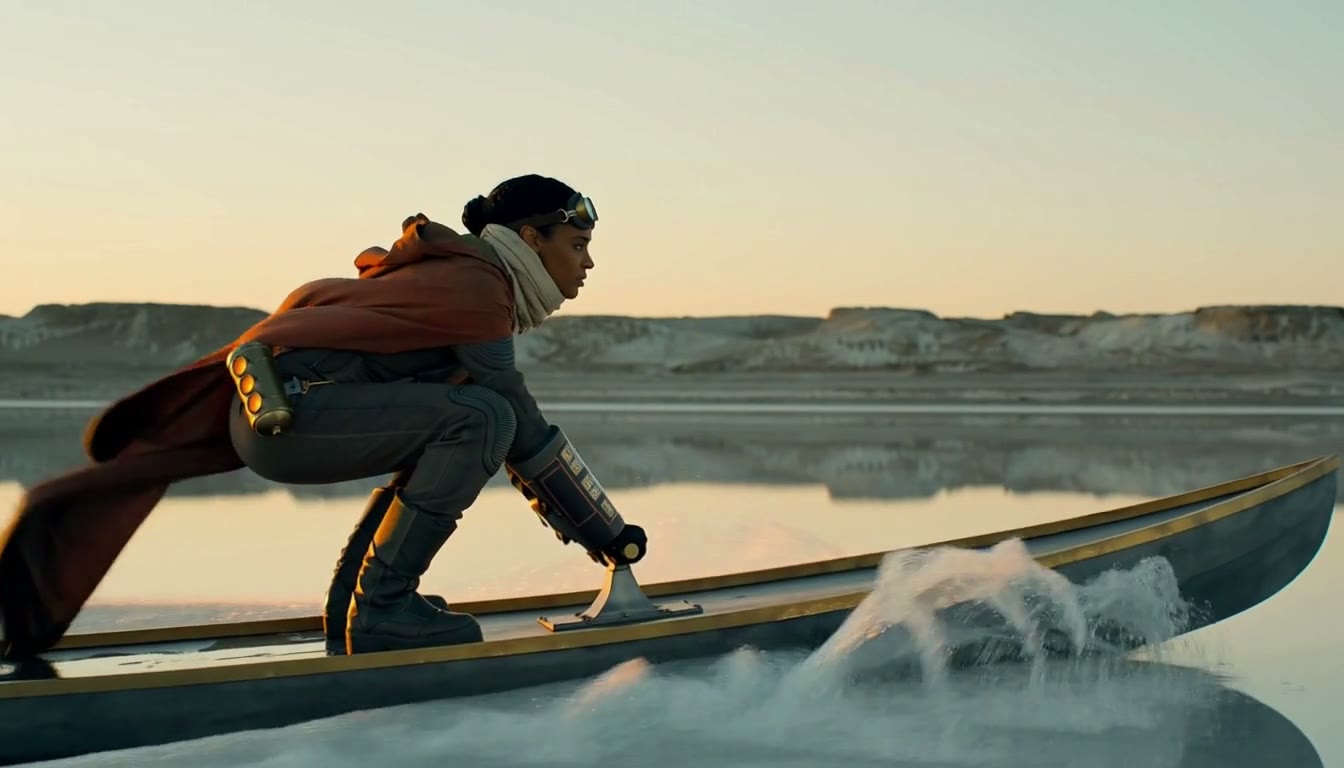
5.00 s
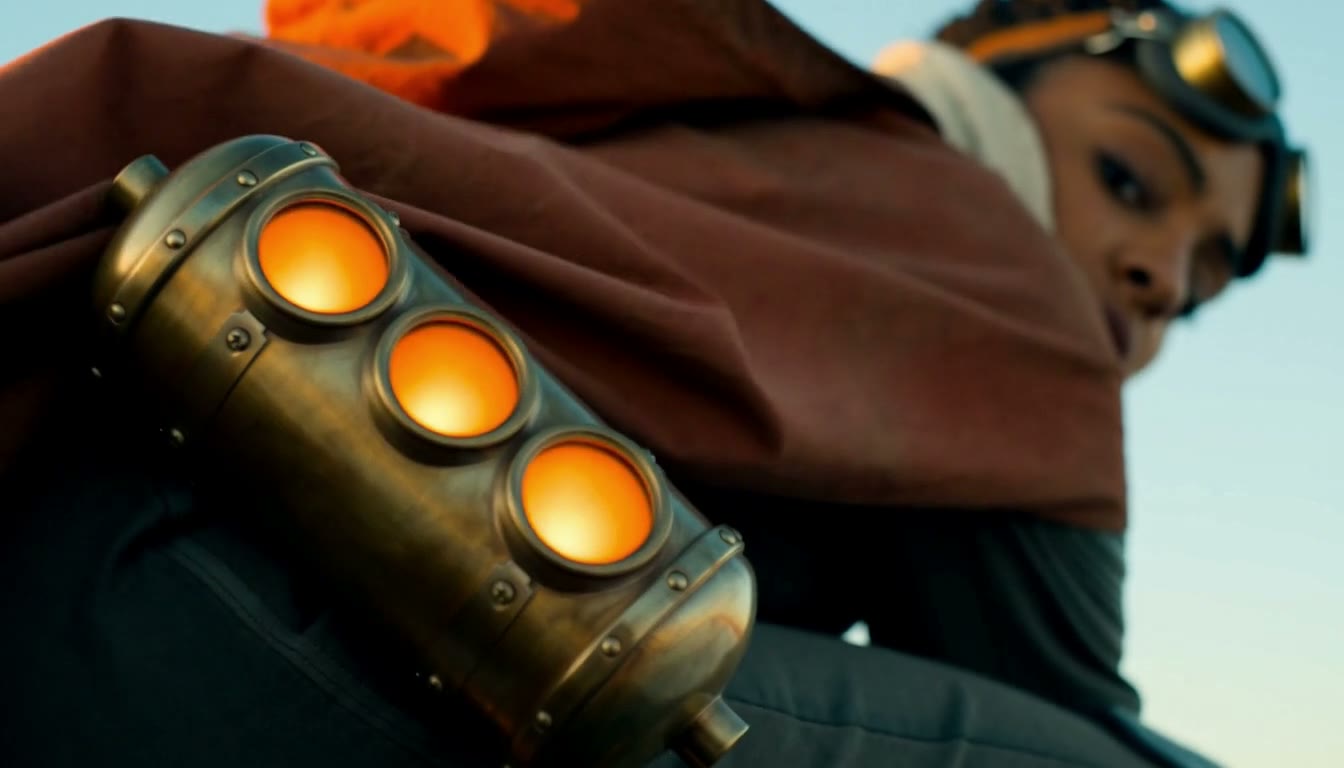
10.00 s
15.04 s
Scene 2, The wardens
0.00 s
0.50 s
5.00 s
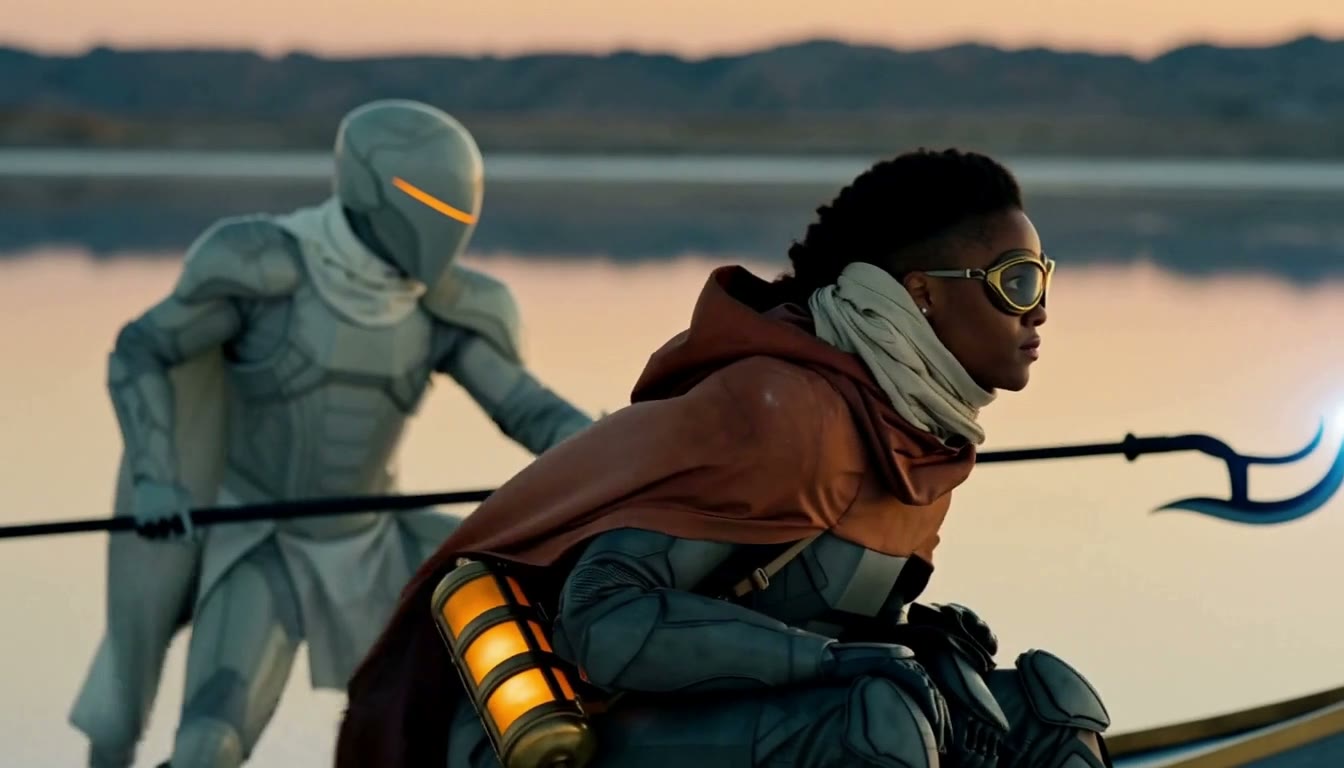
10.00 s
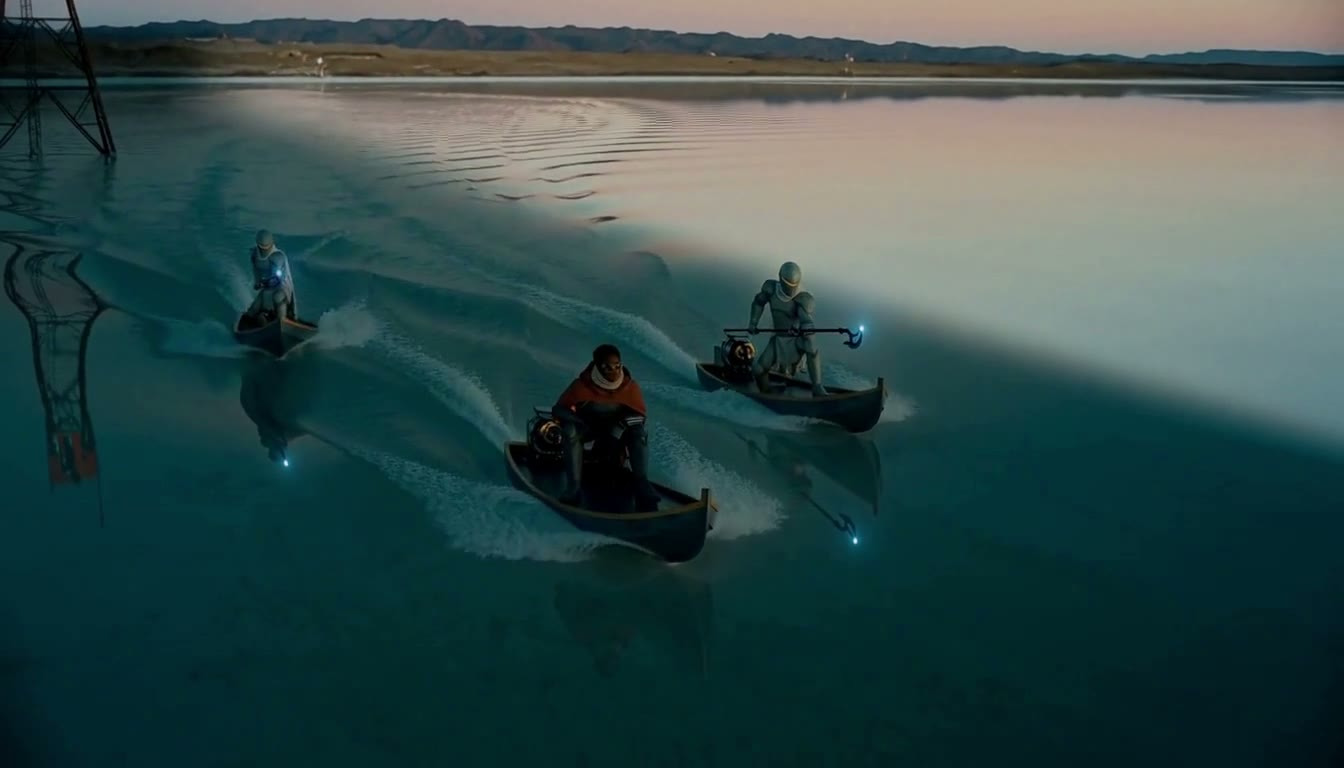
15.04 s
Scene 3, The tide-ray
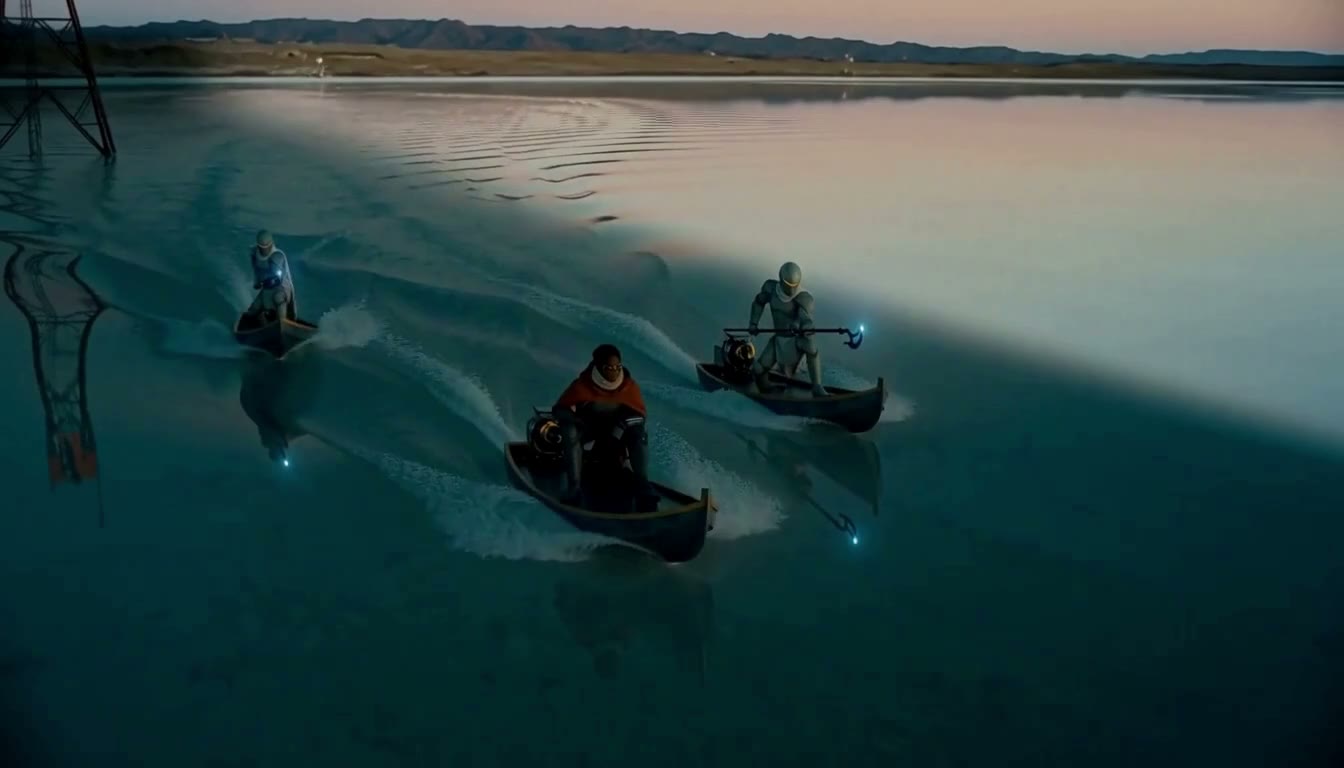
0.00 s
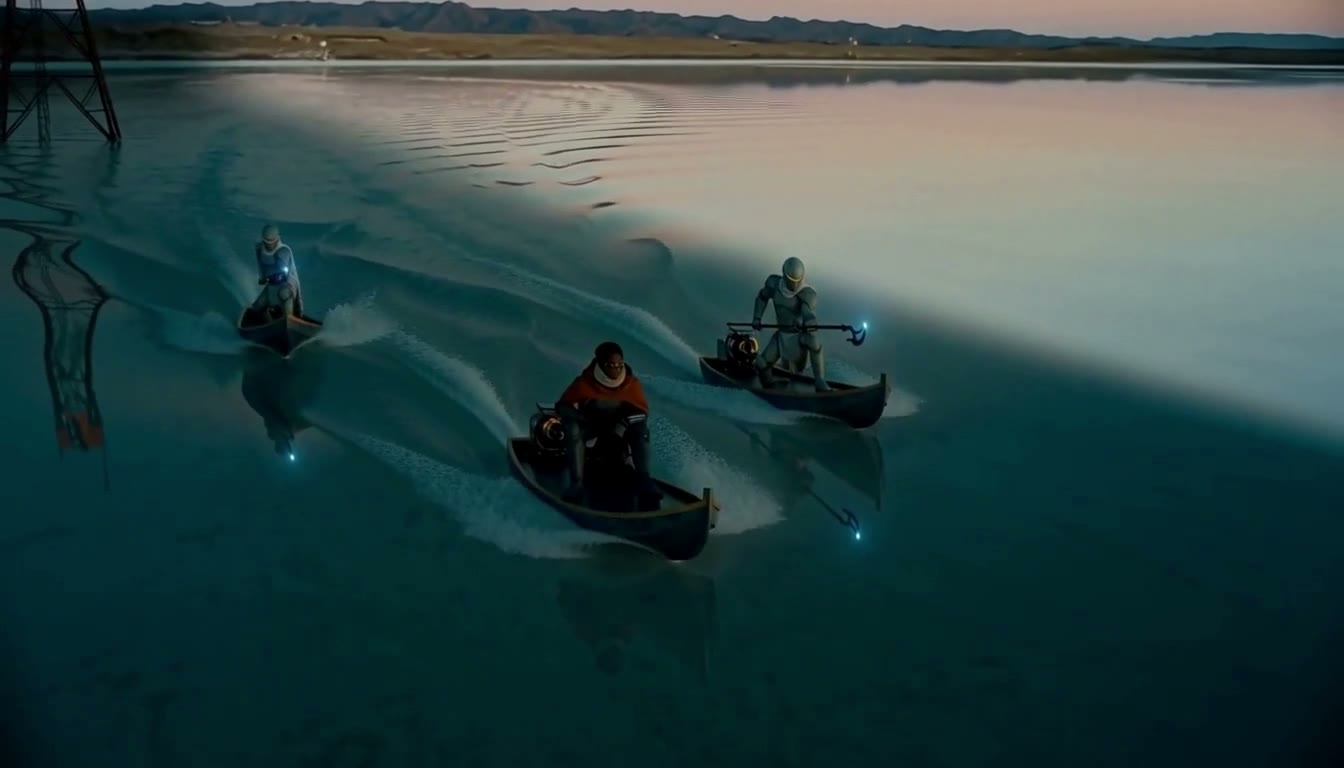
0.50 s
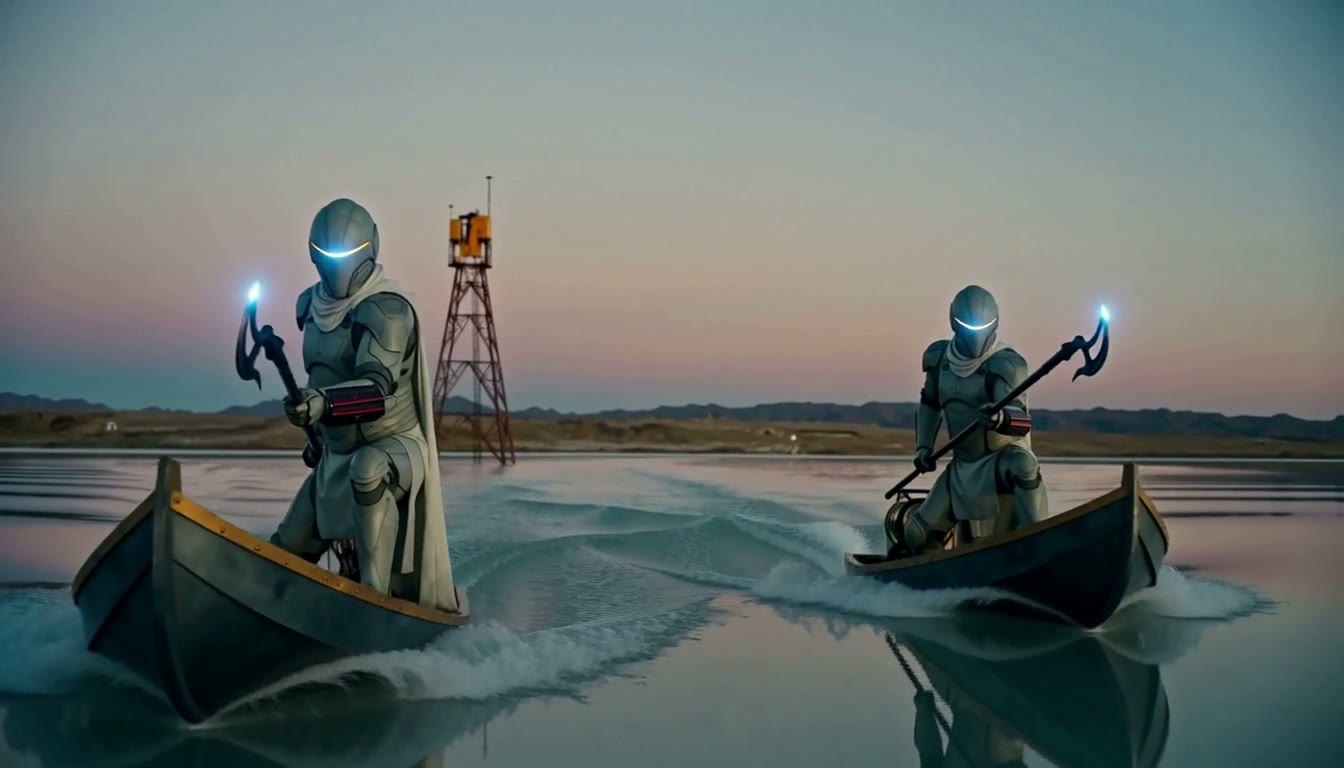
5.00 s
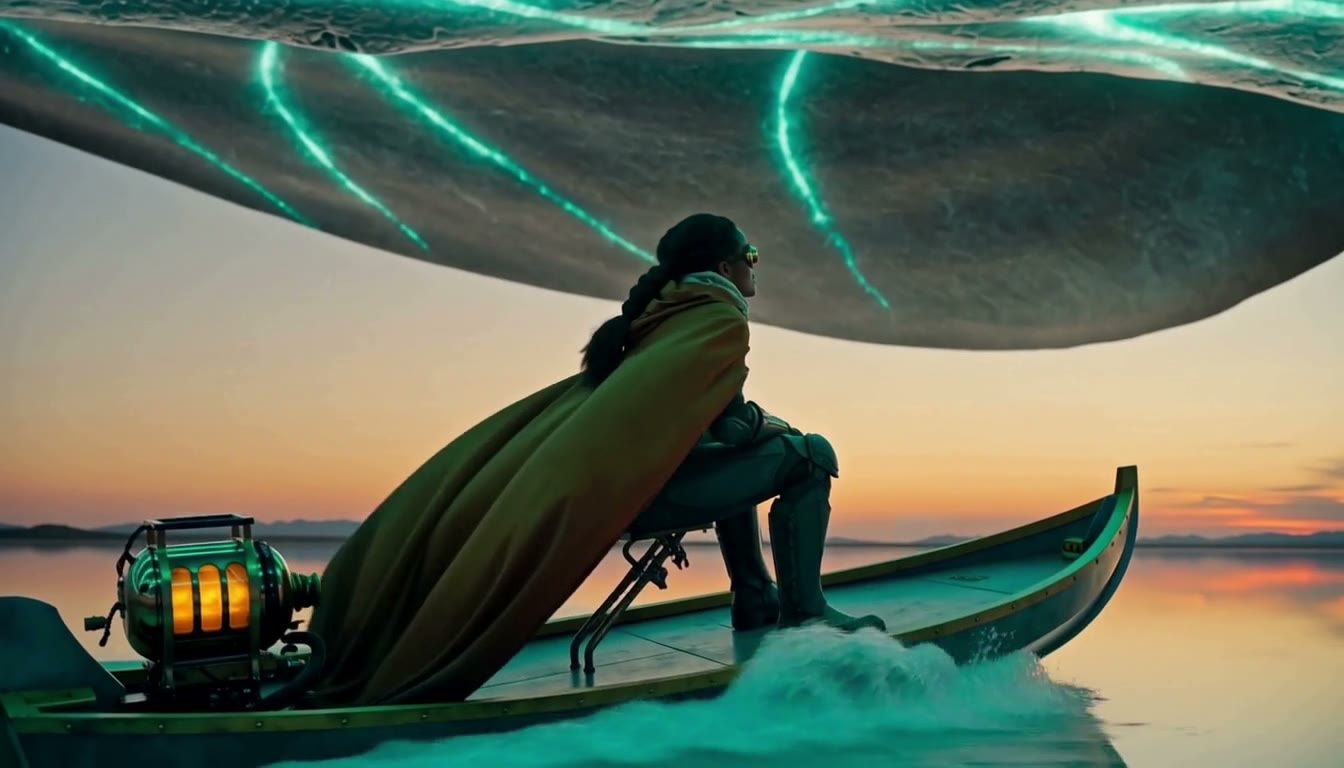
10.00 s
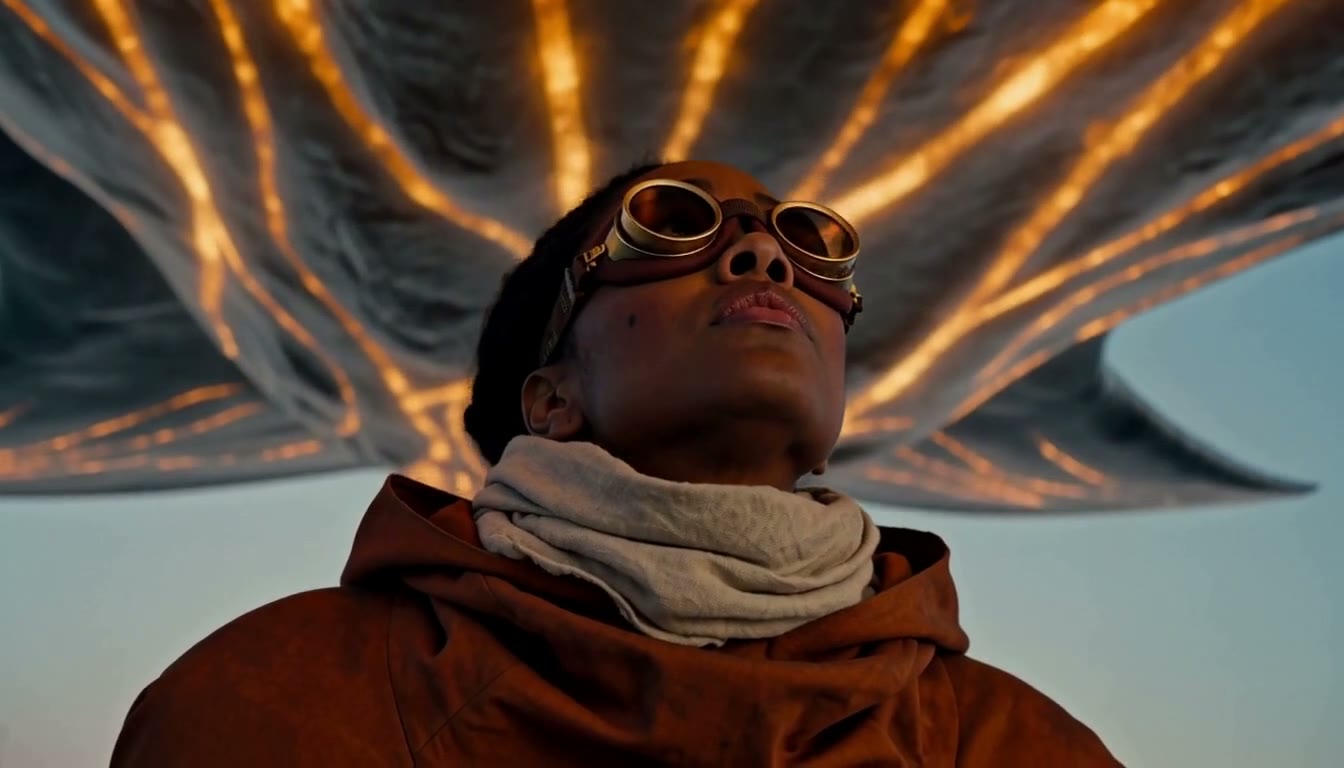
15.04 s
Scene 4, Landfall
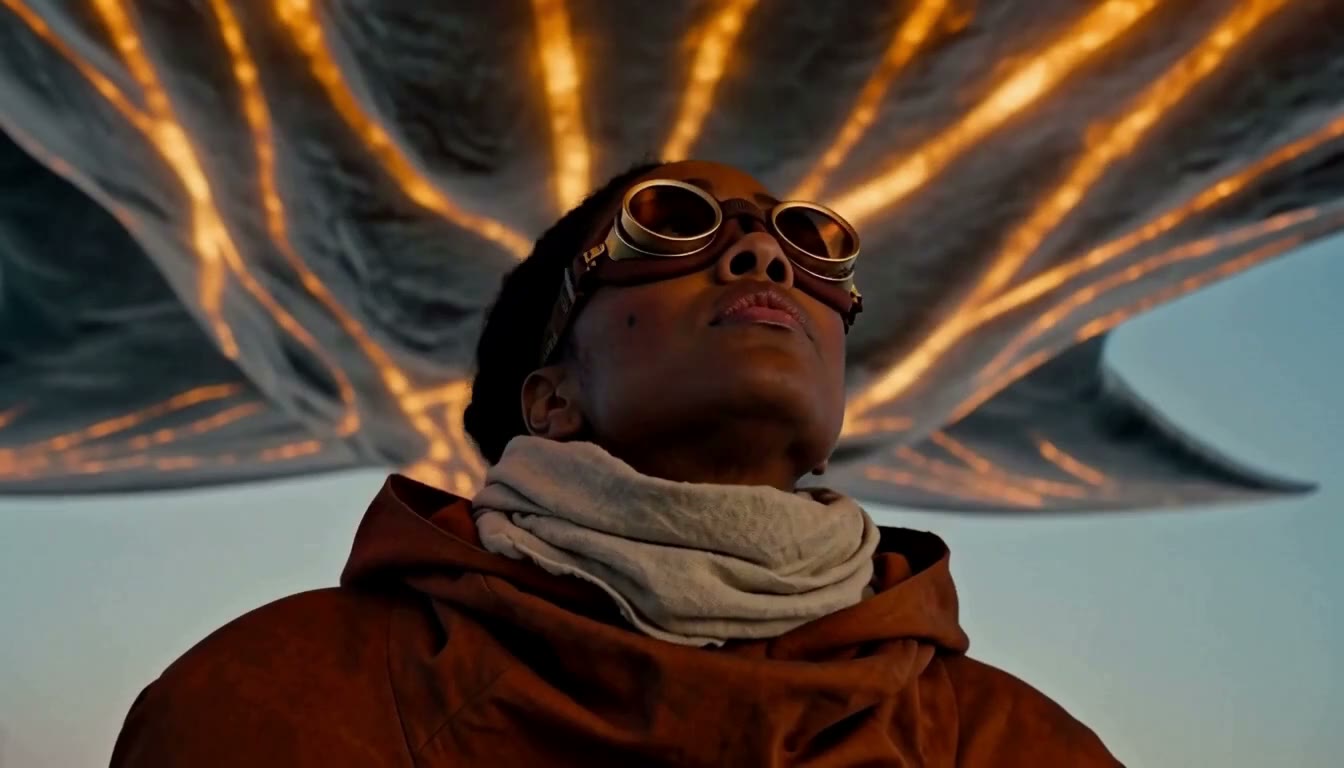
0.00 s
0.50 s
5.00 s
10.00 s
15.04 s
The film, scenes 1 to 4 joined
The three longer cuts add scene 5 to the end of the film as a hard cut, into the workshop, so no frame is dropped there: 1,807 frames and 75.29 seconds each (1,445 + 362). Cut A ends on 5a (words only), cut B on 5b (the anchored frame) and cut C on 5c (reference-to-video). As drawn they are 33.4, 34.0 and 33.4 MB; the copies below are 10.5, 10.7 and 10.5 MB.
Scene 5: three ways to keep one person the same
Ima returns in a workshop. It is a hard cut from the film, in a new place with new light. We drew it three ways from one script, to see which one carries her face, not only her clothes.
- 5a, words only. The prompt as it is. Ima is carried by the script’s exact words: colours, clothes, face. No picture is given.
- 5b, the anchored frame. The same prompt, word for word, and one picture of her, a frame from scene 1 (frame 270), pinned to frame 96 of the new scene (4.0 seconds, where the script’s second shot begins) through the model’s frame-guide node. The only difference from 5a is the picture.
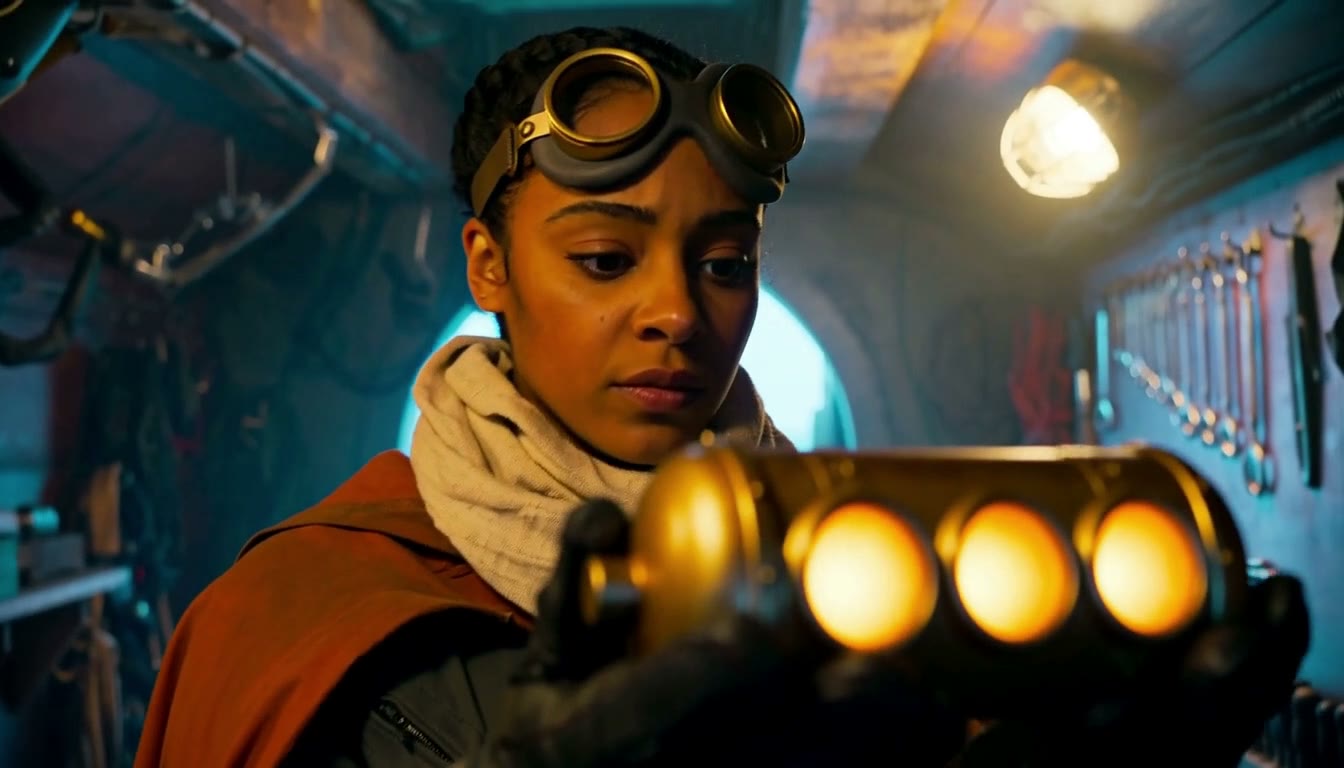
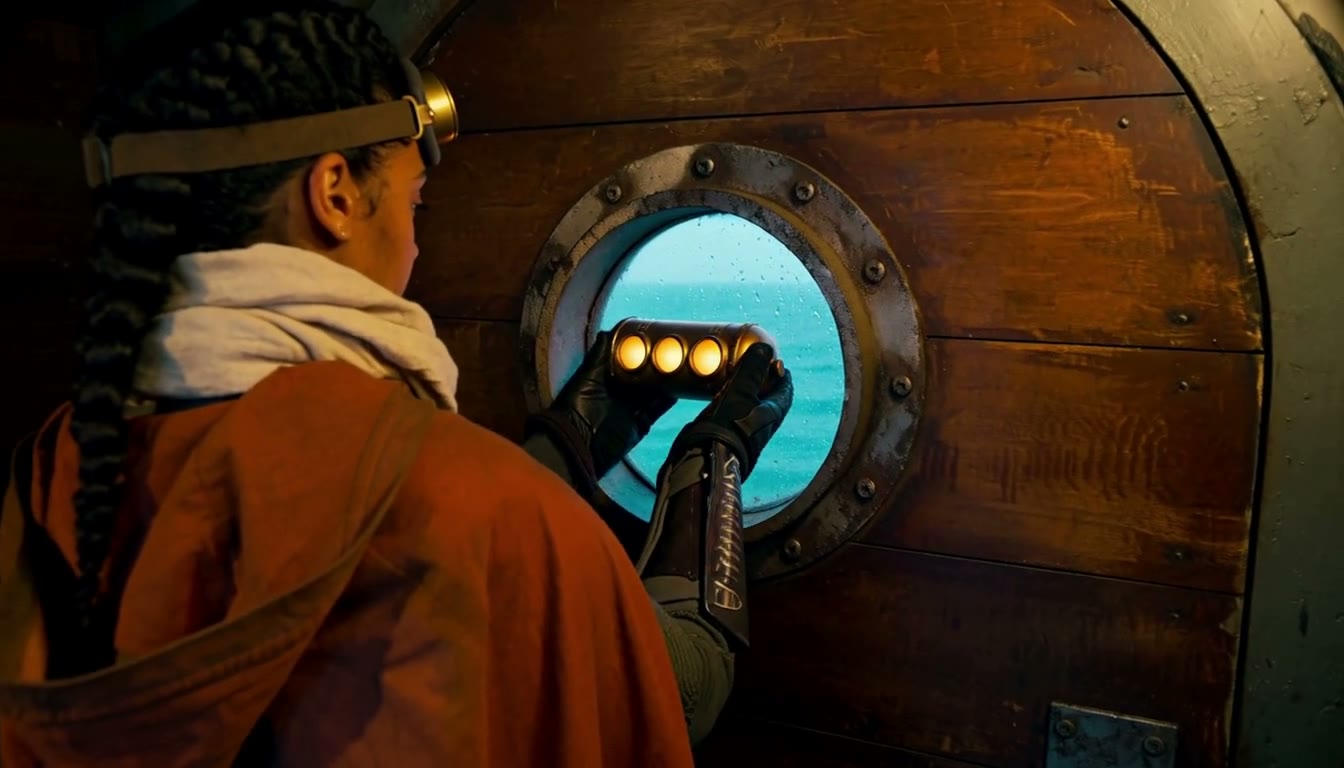
- 5c, reference-to-video. A different prompt, in the six-section reference format, written from the same shots and words, and the same kind of picture, a frame of her face from scene 1, given to the reference-to-video node, which makes the character from the picture and the words for her clothes.
5a and 5b share the prompt, the seed (4242) and every setting, so any difference between them comes from the one picture.
| Scene 5 | Way | Frames | Generation seconds | As minutes | Peak card memory (MB) | File as drawn (MB) |
|---|---|---|---|---|---|---|
| 5a | words only | 362 | 1,848.3 | 30 minutes 48 seconds | 25,445 | 7.04 |
| 5b | the anchored frame | 362 | 1,878.6 | 31 minutes 19 seconds | 19,200 | 7.83 |
| 5c | reference-to-video | 362 | 1,845.5 | 30 minutes 46 seconds | 19,080 | 7.18 |
The three took nearly the same time: 5b was 30.3 seconds (1.6%) slower than 5a, and 5c 2.8 seconds faster. Their peak memory was not the same. 5a peaked at 25,445 MB; 5b and 5c at 19,200 and 19,080 MB, 6,245 and 6,365 MB lower. We have not isolated why. The three together cost 5,572.4 seconds, 92 minutes 52 seconds.
5a, words only: five frames
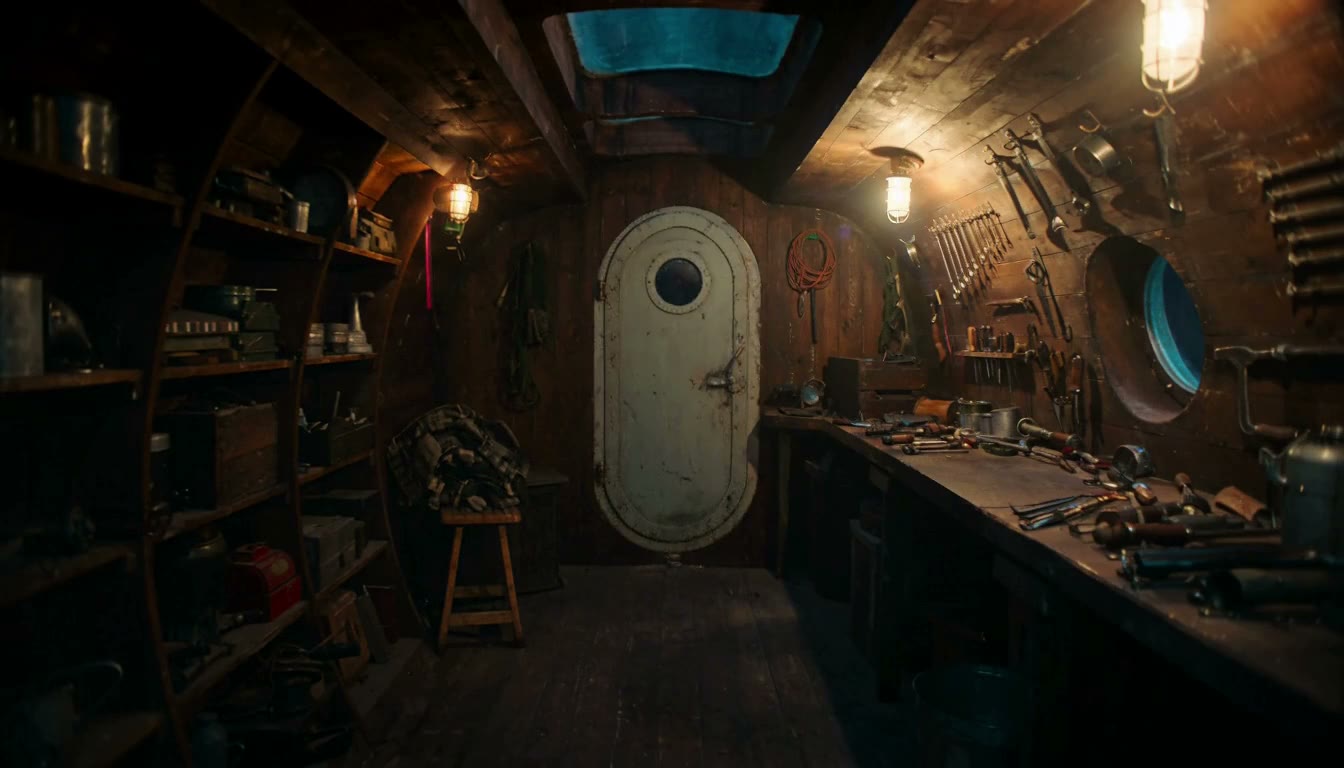
0.00 s
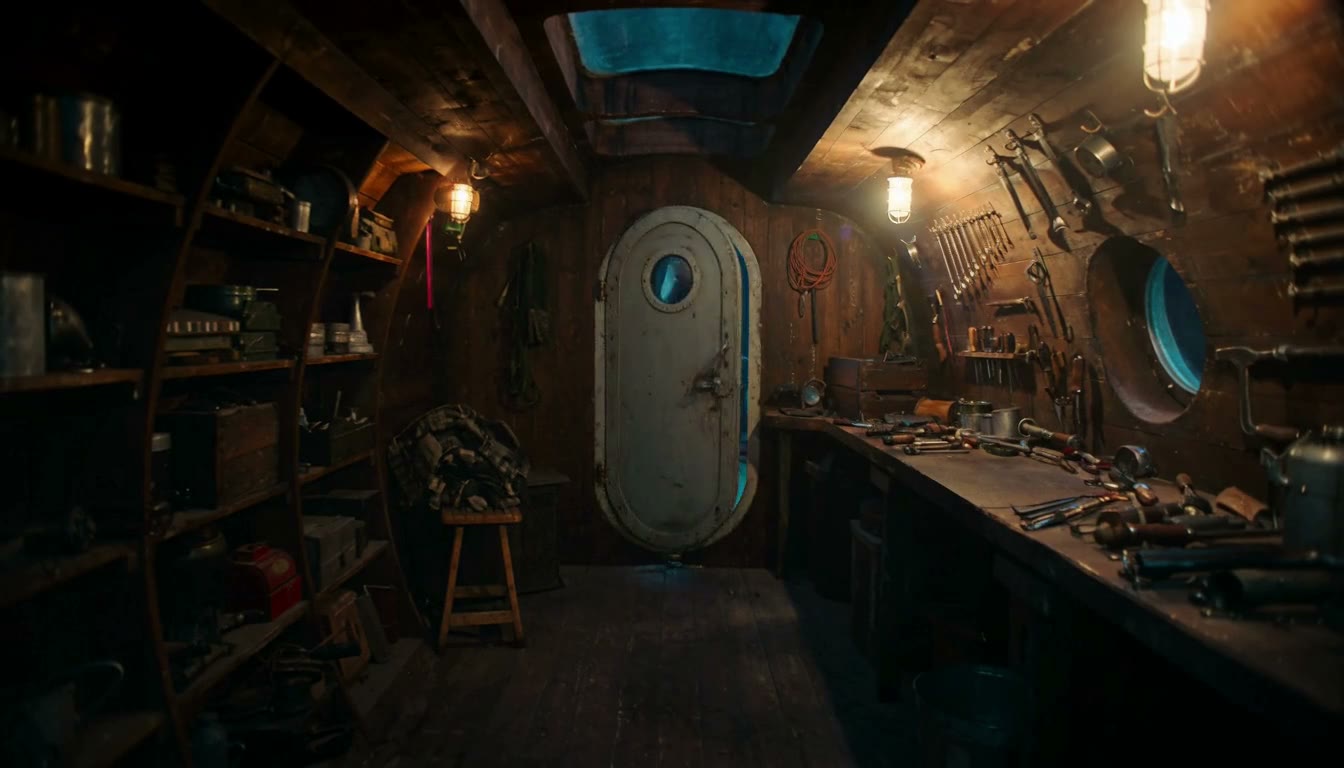
0.50 s
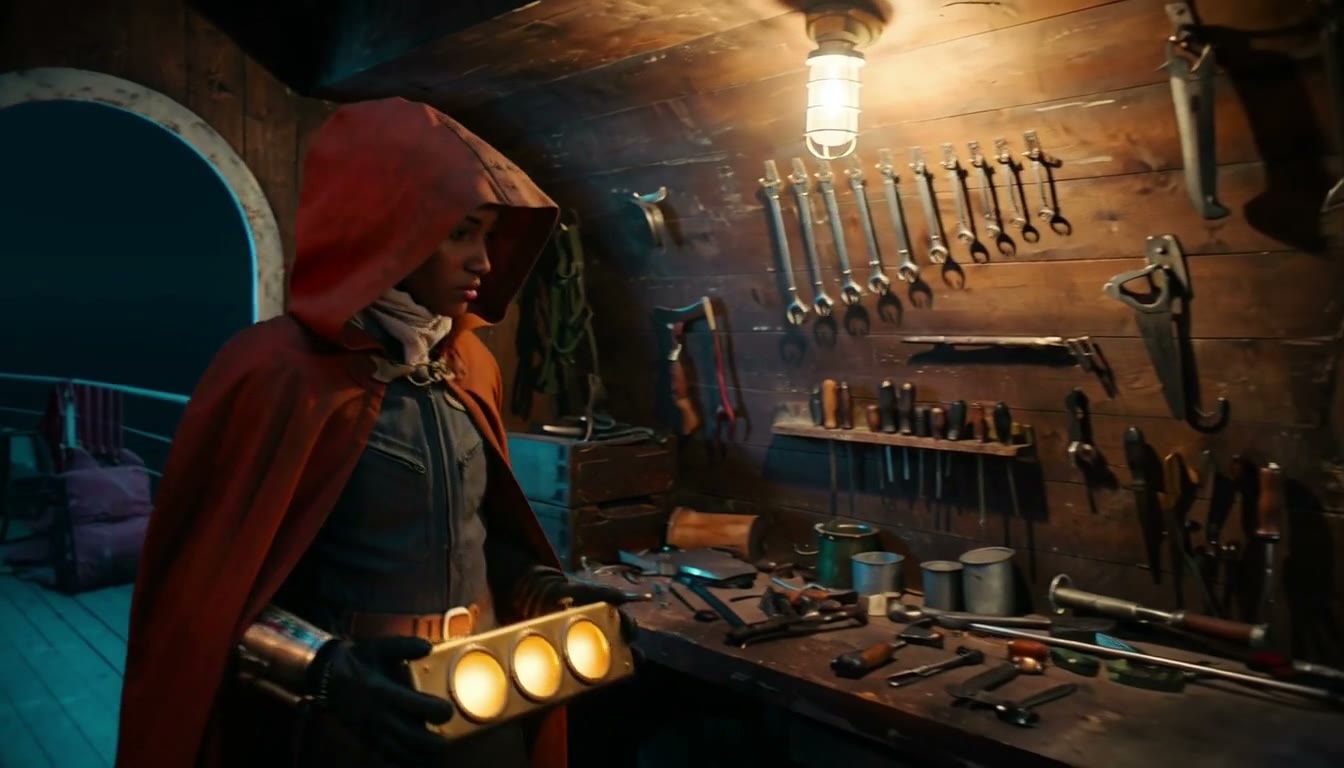
5.00 s
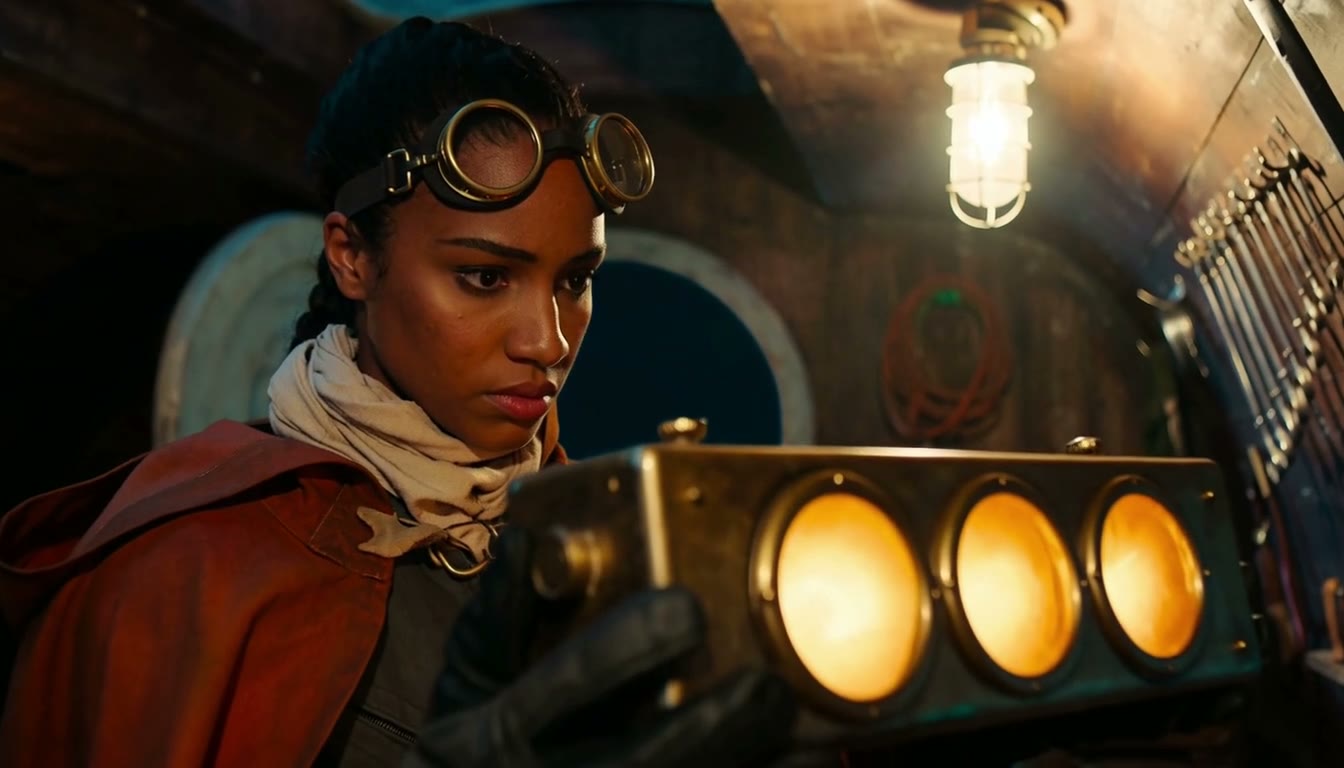
10.00 s
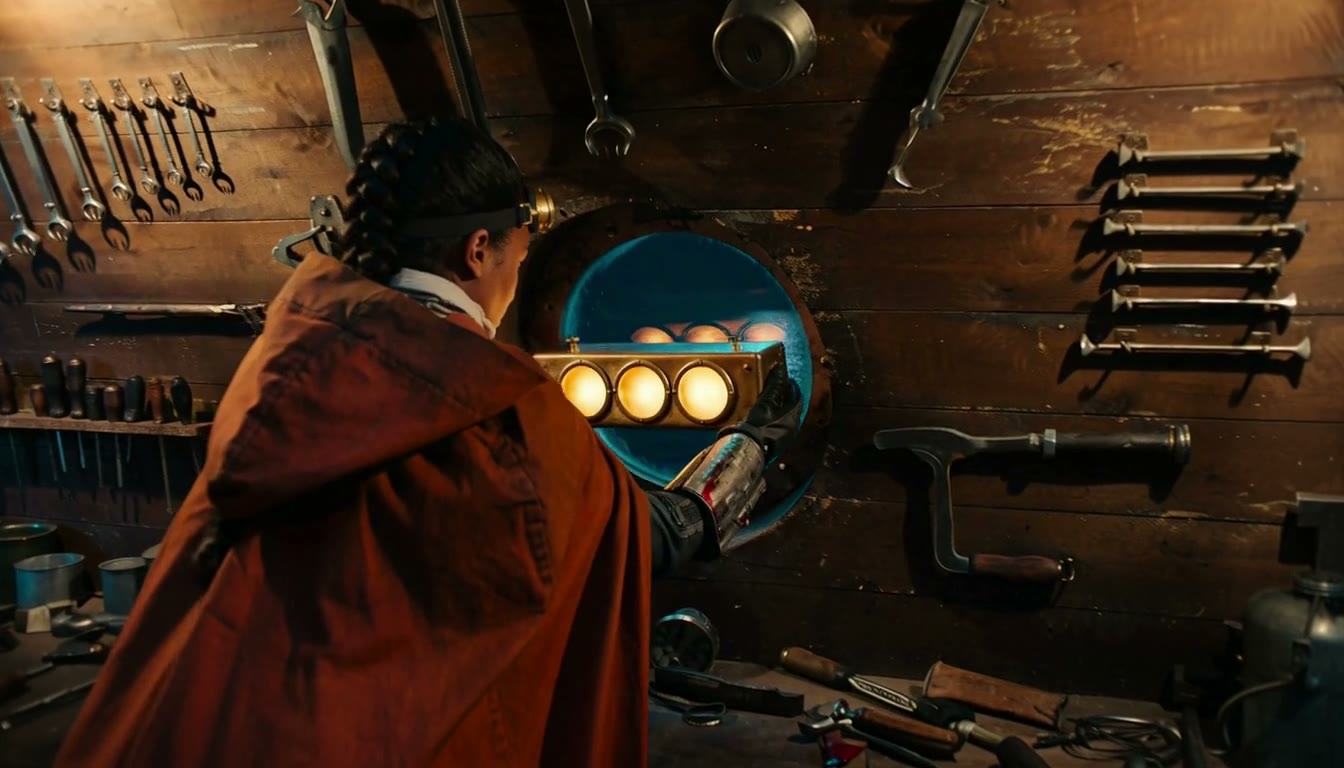
15.04 s
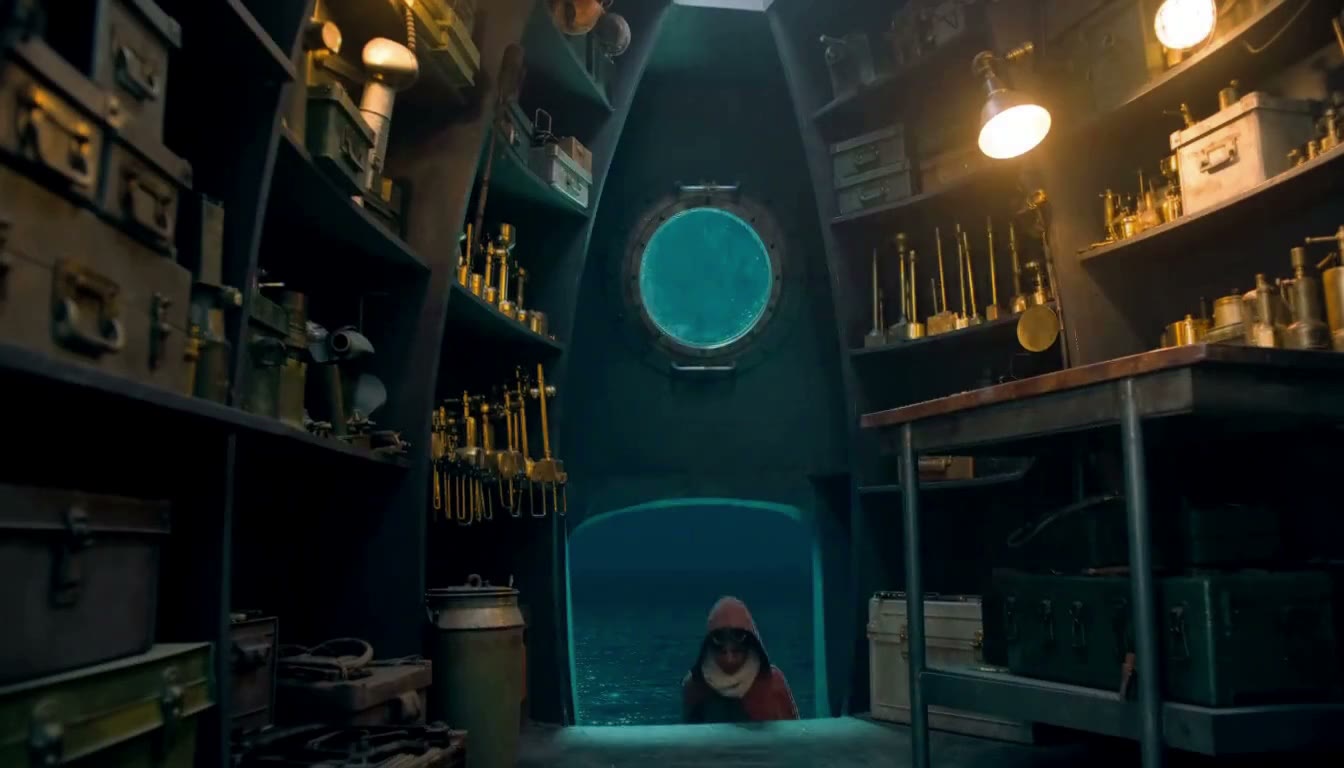
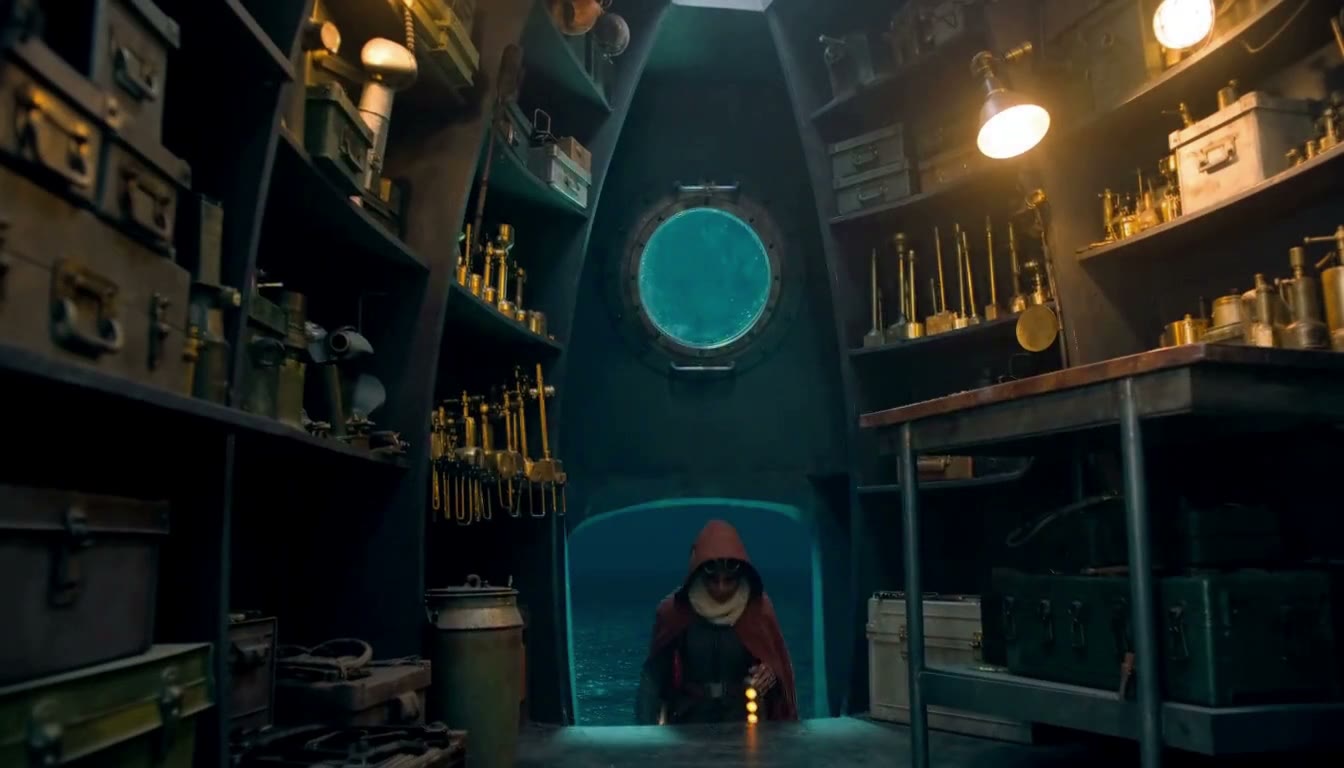
5b, the anchored frame: five frames
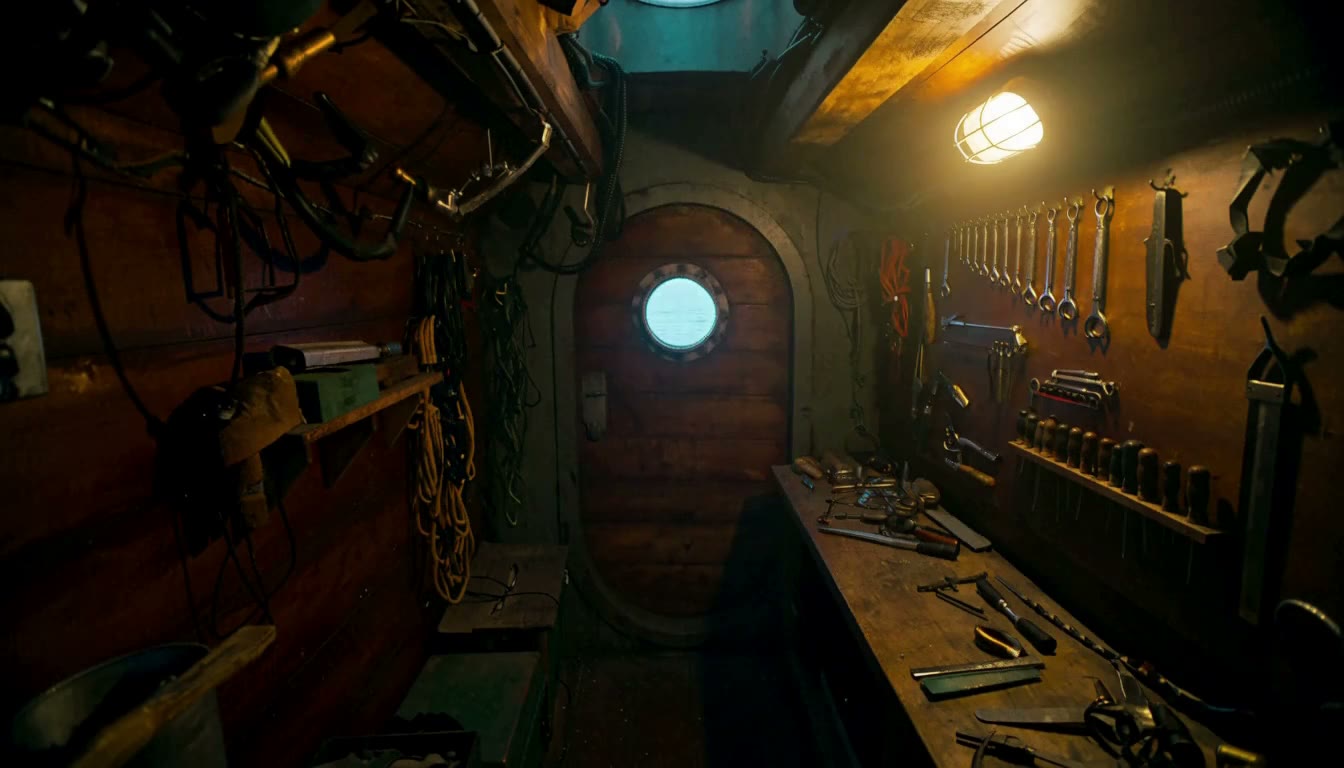
0.00 s
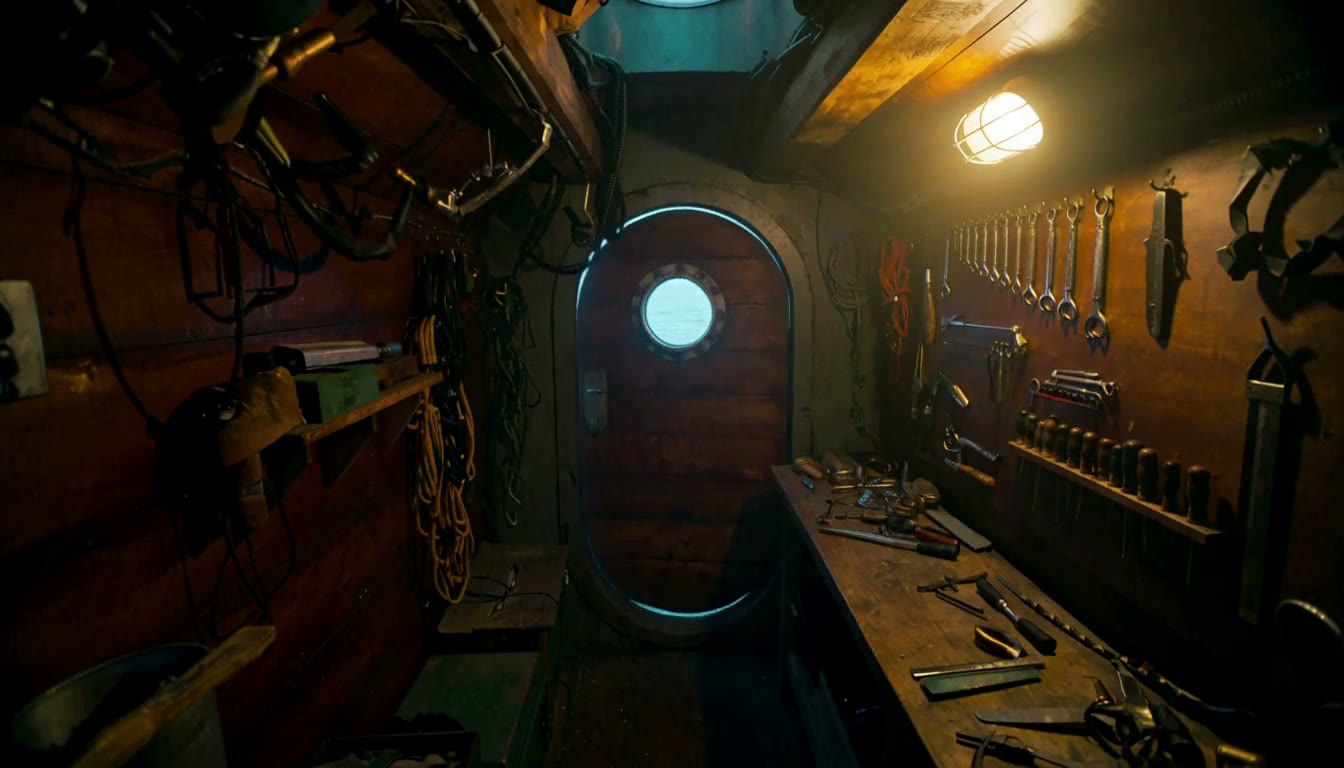
0.50 s
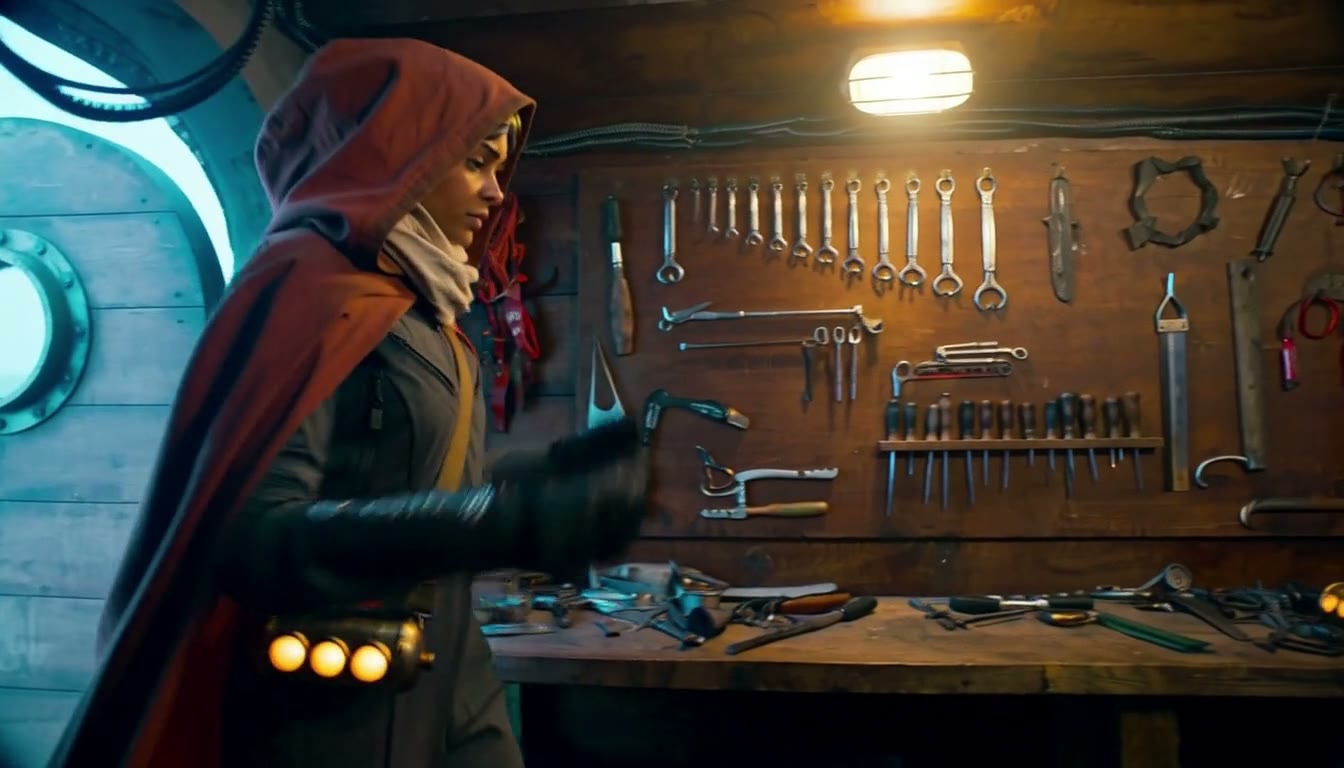
5.00 s
10.00 s
15.04 s
5c, reference-to-video: five frames
0.00 s
0.50 s
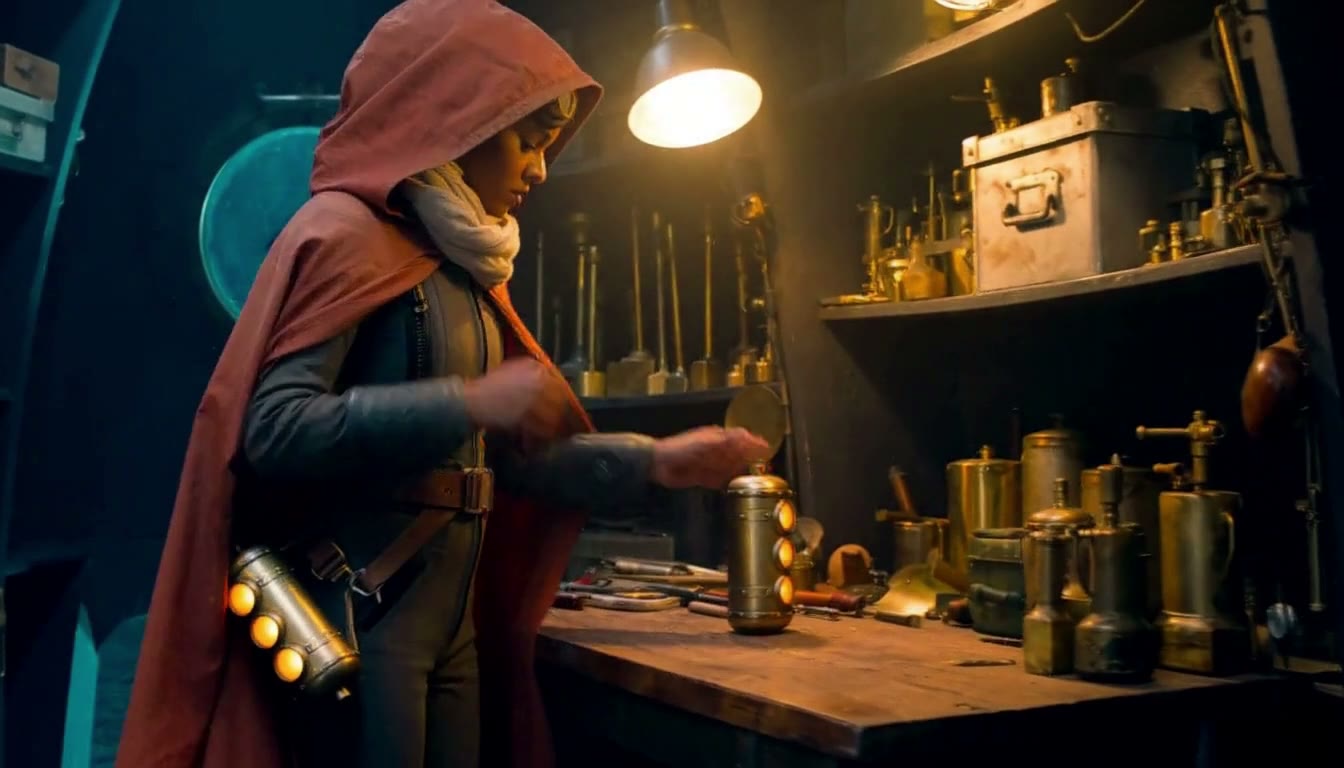
5.00 s
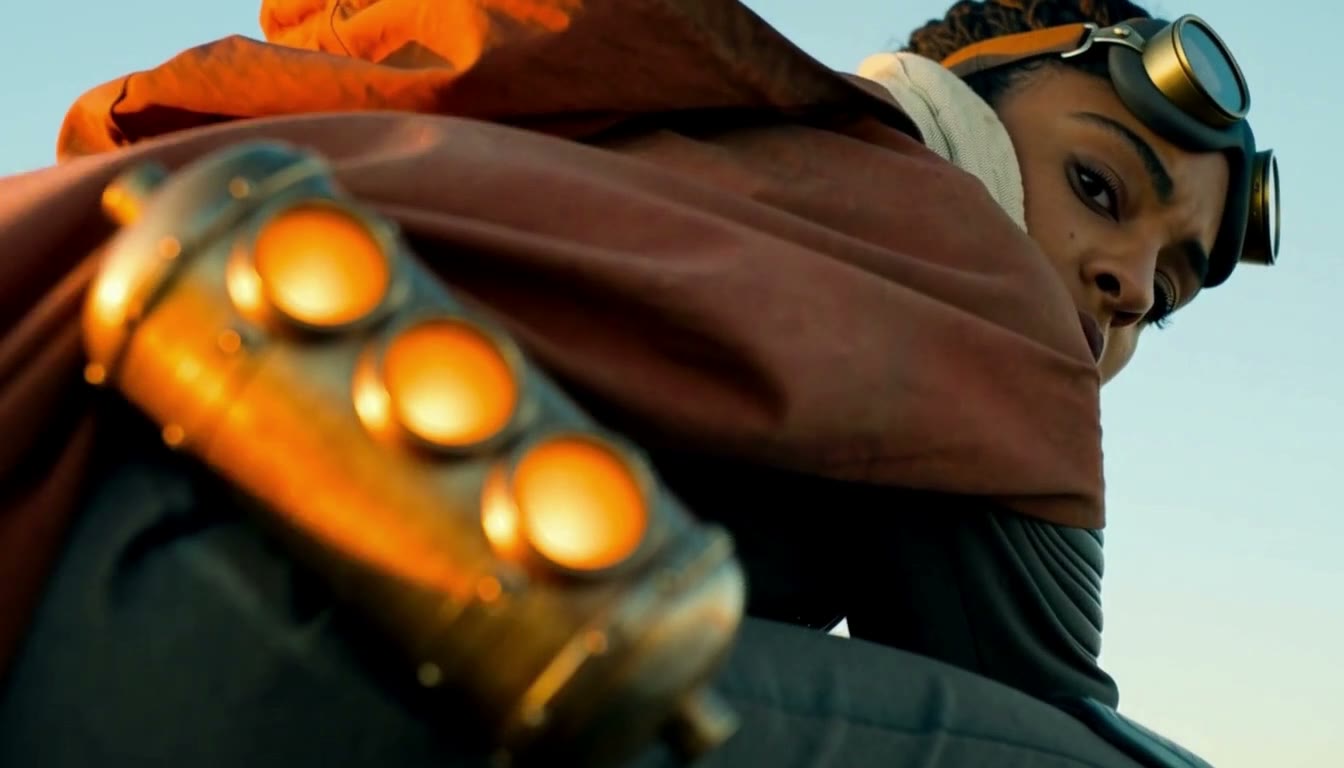
10.00 s
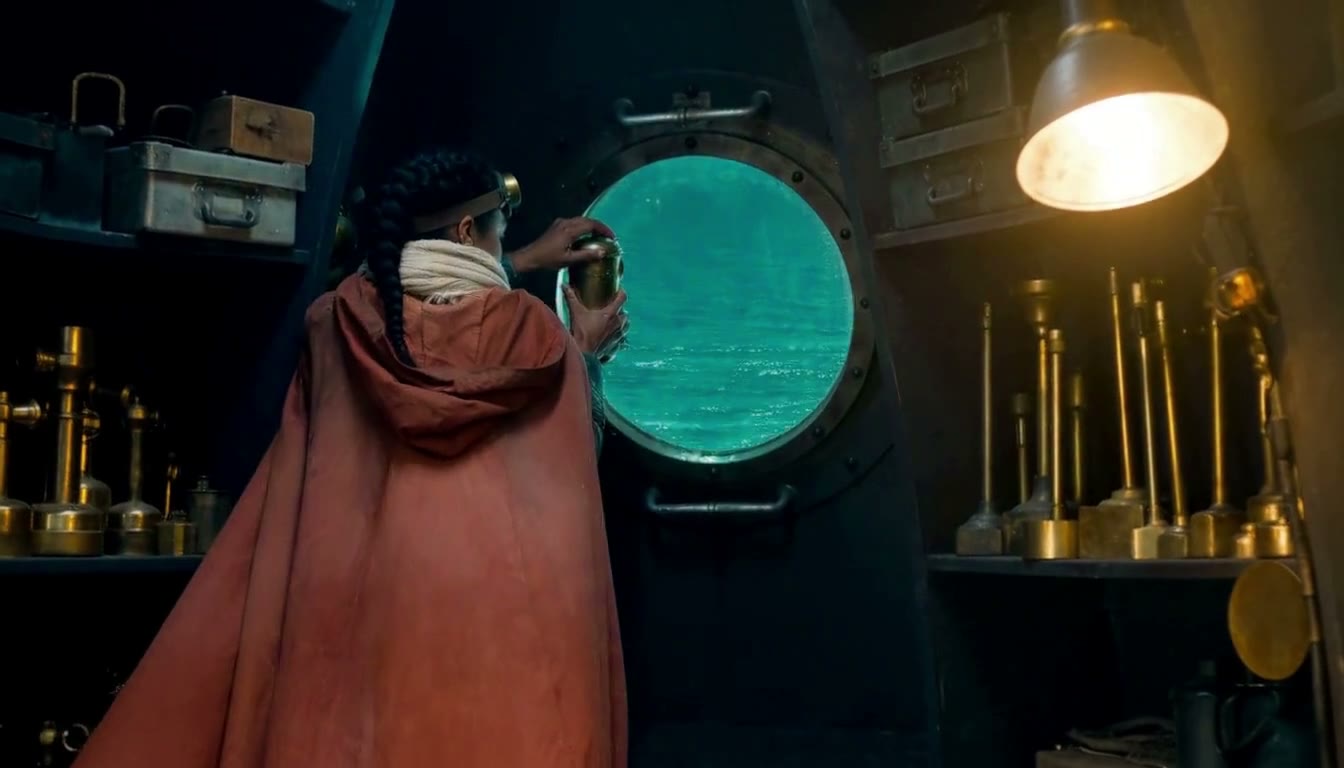
15.04 s
What the admin saw, in his words
Our admin watched the first two side by side. His words, as he typed them:
Yeah, if you look at it side by side, then 5A is different from 5B.
the admin, after the side-by-side of 5a and 5b
His first lean, before the third arm had landed:
I think, obviously, we'll select 5A, I'm sure.
the admin, a minute later
Then he looked again, and changed his mind, for a reason he saw in the pictures:
Actually, it should be 5B because 5B has caught the thing. She has a mole on her face in the first frame, and the last frame also has that same mole in the same place.
the admin, twelve minutes after that
And also, the face looks similar, so it should be 5B, the one with the reference picture.
the admin, a minute after that
By “the one with the reference picture” he means 5b, the anchored frame from her first scene. It is not 5c, the reference-to-video model, which was still drawing when he said it.
Then 5c finished and he watched it:
Well, 5C is messed up. Like the girl is looking backward in a scene.
the admin, a few minutes after that
So of the three versions of scene 5, 5b is the one he picked, 5a was his first lean, and 5c is the one he turned down, for that reason. We have not measured where she looks; this is what he saw.
Then he made it a decision for the studio, and not for this film alone:
So we go with 5B for customers.
the admin, the next minute
That is a choice of method for a character who returns in a new place: draw her from the words, and pin one picture of her from an earlier scene into the new one through the frame-guide node. It is his decision, relayed to us as he typed it, and it is already in the studio’s code on our main branch: the scene graphs can carry the anchor, the board writer chooses the frame and where it goes, and a test holds that a returning character’s scene is anchored on a frame of her first scene. Main is where we develop; each live system is released from it on its own run, so we do not say it is live yet.
We did not draw a mole. The script gives her none, and none of the prompts, in any of the three versions, mentions one. It is a detail the model drew, and the observation is the admin’s: that in 5b it is in the same place in the first frame and in the last. We asked him which moment he meant by the first frame, because frame 0 of every scene-5 clip is the empty workshop and she comes in later. He answered that he meant the moment she first appears.
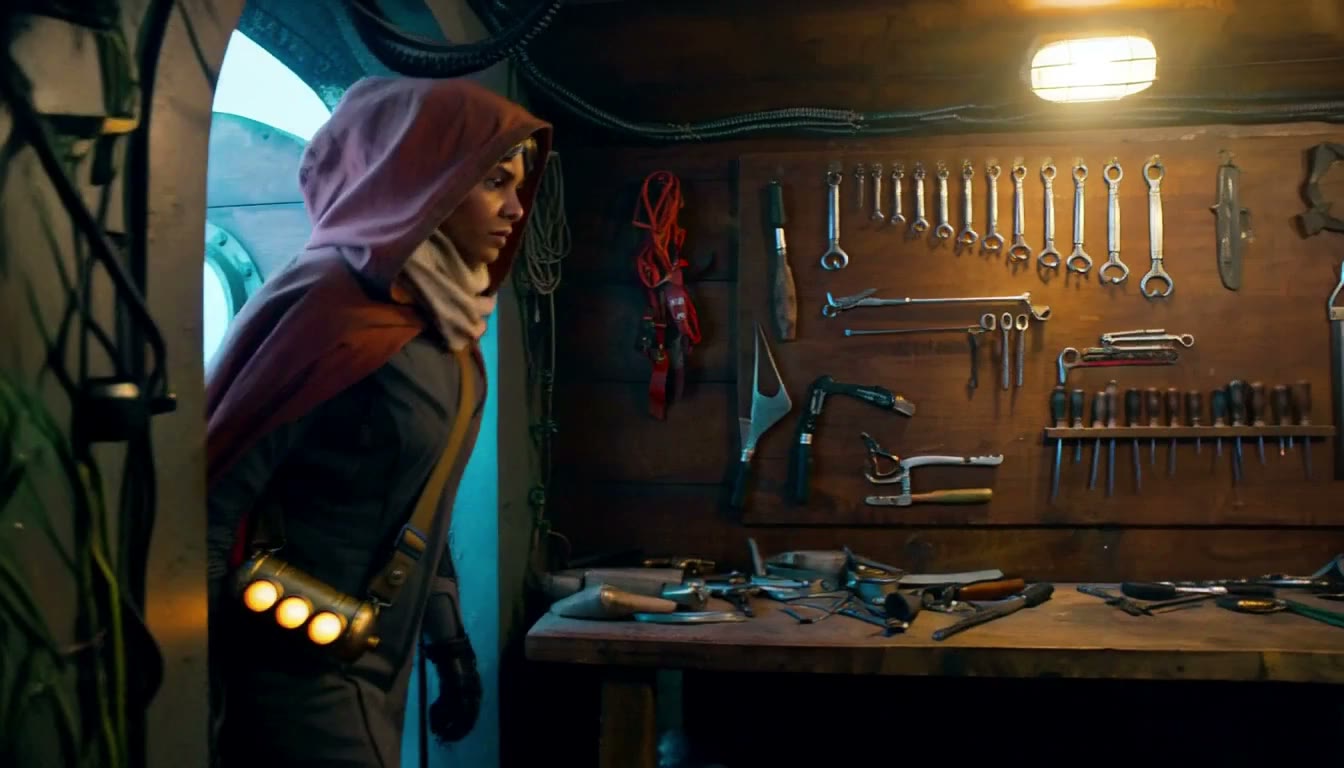
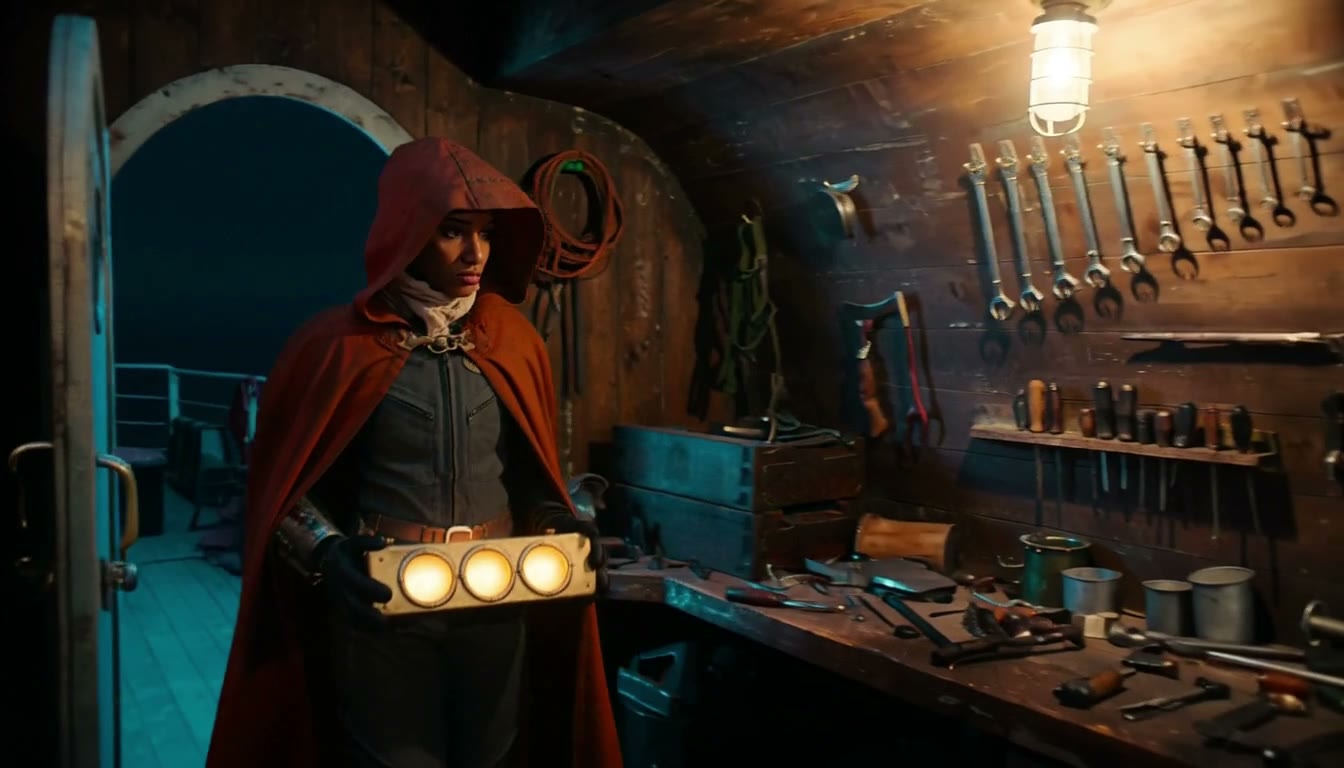
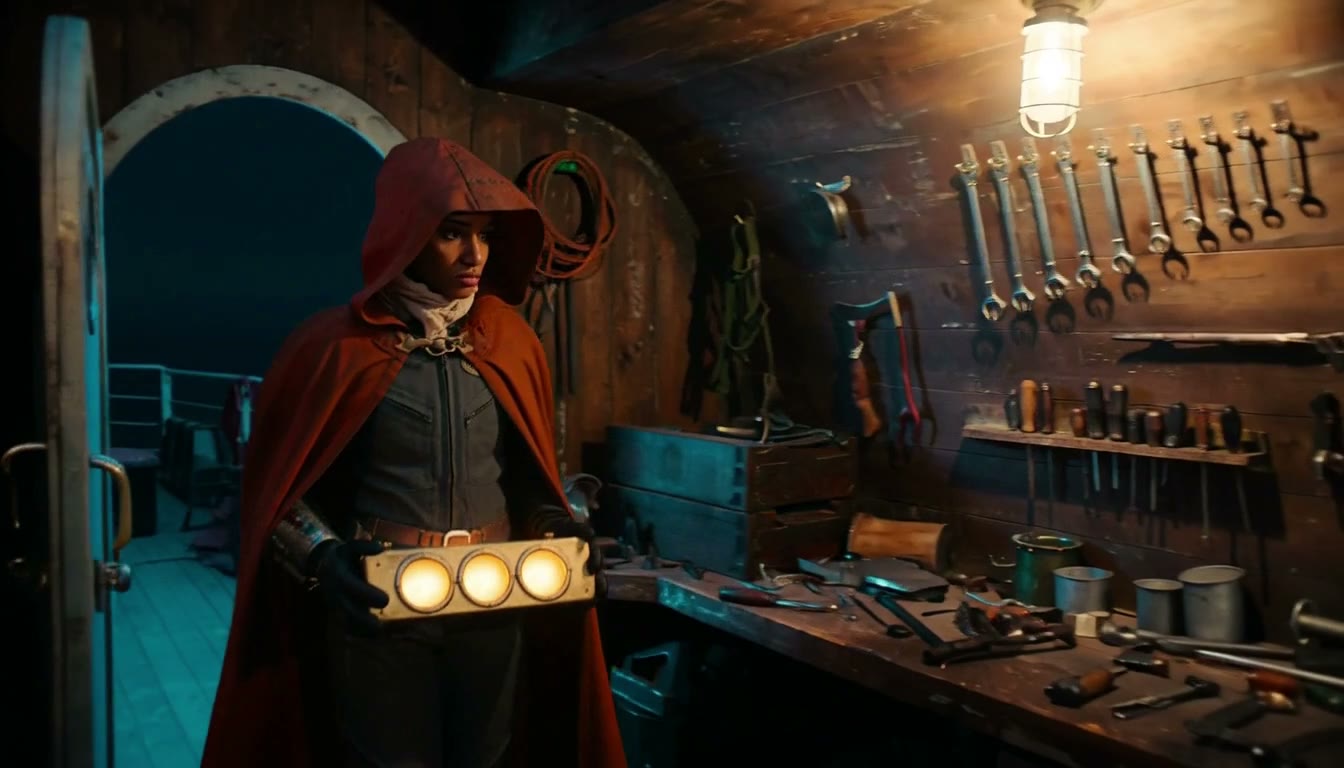
Stepping through 5b by frame number, this is what the clip shows. Frames 0 to 35 are the empty workshop. From about frame 36 a hooded figure stands in the far doorway, her face not visible. At frame 96, where the anchor is placed, the clip shows for exactly one frame the picture we pinned there, the close-up of her from scene 1 against the sky. From frame 97 on she is in the workshop, her face in profile. So the first frame in which her face can be clearly seen in 5b is the pinned picture itself, one frame long, and the first of the workshop is the next one. We do not know whether he meant frame 96 or frame 97; the frames are below, with the last frame of the clip, and the same frames of 5a, at the same timestamps. We point to no mole in any of them.
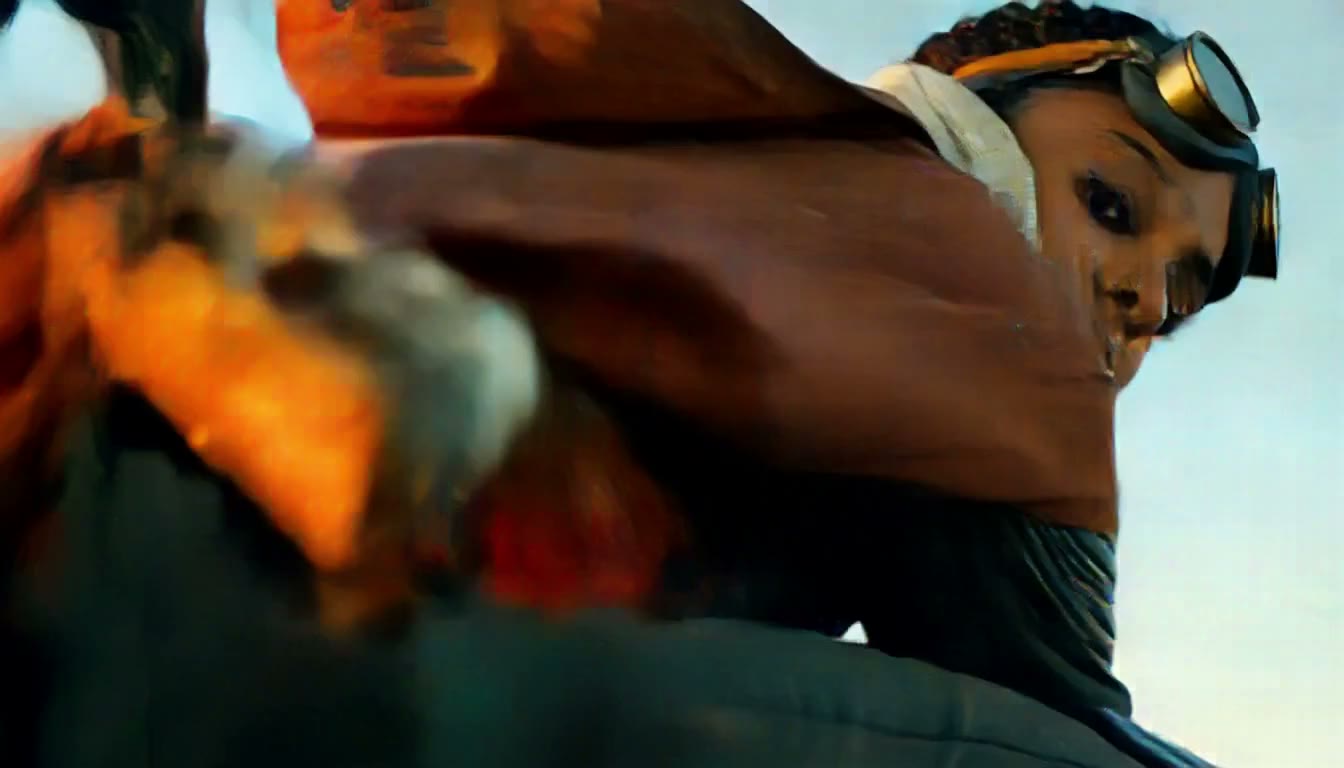
4.00 s
4.04 s
15.04 s
4.00 s
4.04 s
15.04 s
Why we also draw at low resolution, and what the previews showed
A fifteen-second scene at full quality took us 31 minutes 56 seconds. A film of twenty such scenes would take 10.6 hours of one card before anyone can say whether the story is the right one. So the path through the studio starts with a preview, drawn cheaply, and the final comes later. The question is how low the preview can go before it stops being worth looking at.
An earlier test drew one fifteen-second rain-on-glass scene both ways. At 960×544 with the four-step turbo LoRA it took 132 seconds, 14.0 times faster than the 1,852 seconds it took at full quality, with a peak of 23.2 GB on the card; the full-quality scenes of the film peaked at 25,584 to 28,861 MB.
The admin watched the four-step clip (the one with the quieter soundscape line, 134 seconds) and said:
I think this is reduced quality … I think it's acceptable. I think it's okay.
the admin, on the four-step preview at 960 by 544
That was at 20:55 UTC on 16 November. About three hours later, at 23:59, he said this about the setting then in use for previews:
4-step with 4-step speed LoRA is what we are using right now. That doesn't give good quality.
the admin, late on 16 November
We offered him three options, “960×544, 20 steps”, “Official 8-step turbo LoRA” and “Keep 4-step for speed”, and he picked the second; then he asked for every setting to be tested. That is the companion post’s matrix.
Then he told us what the post must say about the previews:
… we also tested the low resolution versions, which is what the customers will see initially, and then they choose HD. The final HD version will be generated.
the admin, about the low-resolution versions
So this is the path he describes for a person making a film with the studio: a low-resolution preview first, then the person chooses HD, and then the final HD version is drawn. The preview is cheap so that the person’s first look is cheap, and the choice that follows is made on something they have seen.
That was one setting. To find the cheapest preview that is still worth watching, we are drawing the film at ten preview settings, six clips each: the four scenes and the 5a and 5b versions of scene 5 (the admin told us not to draw 5c for the previews). The full tables, a frame of every clip side by side, every preview clip, and a second way to HD, upscaling the preview, are in a companion post, Draft low, finish high. Here are its headline numbers, computed from the log.
So far 10 of the ten settings are drawn. The cheapest, p768-t4, drew the four scenes in 291.0 seconds (4:51), 26.1 times faster than the final’s 7,586.0 seconds; the dearest so far, p1344-t8, took 3,330.0 seconds (55:30), 2.3 times faster.
What we chose
- Scene 5, the identity test: 5b, the anchored frame, in the admin’s words above: the mole kept in place and a face that looks the same. He turned down 5c, the reference-to-video version, because the girl looks backward in the scene. And he decided that 5b is the method for a character who returns in a new place.
- The preview setting: 960×544 at 8 steps (p960-t8), his pick from four options. The four scenes of the film took 16:28 at that setting, 7.7 times faster than the final’s 126:26; the companion post has every setting and its cost.
- When a person chooses HD: the studio draws the HD final. He picked that over showing an upscale of the preview, which the companion post measures.
- The final: the template’s full-quality default, 1344 by 768, 20 steps, no LoRA, one generation per scene, as drawn here.
What this does not say
- It is one film, one seed and one card. A different script, seed or card may give different times and a different look.
- Whether a continuing scene drifts over many scenes, and what the sound does at each join, we have not measured: we drew three joins.
- That 5b kept her face is what the admin saw in the pictures. We have not measured likeness with a program, and we do not say a program agrees.
- The times are the generation seconds the card reported for each run. They are not the time a film waits in a queue.
Quick Search Our Blogs
Type in keywords and get instant access to related blog posts.