
Measured on 2026-10-21.
Baseline and change. The baseline is LTX 2.5, the clip model the film is drawn with. Each round draws the same shots on LTX first; Wan 2.2 and MiniMax H3 are set against that baseline.
Each change is set against it.
In Optra Studio. This test has no page in Optra Studio: the test film's project was retired after the test, and its kept clips are shown in this post.
What you can see here. Every clip of the test plays below, without sound, shot by shot with the models side by side. The Wan clips were drawn at a lower frame rate than the others. The grader’s frame sheets are kept in the expandable lists.
Once the starting pictures were fixed, the models finished within 3 marks of each other, so we do not name a winner.
What did we want to know?
We make video clips from still pictures. We wanted to know which video AI makes the best clip from the same picture. We also wanted to know whether changing a setting makes any of them better.
Which models did we run?
We ran Wan 2.2, MiniMax H3 and LTX 2.5. Each starts from a picture and a sentence about what moves. The table gives the files, as our video graph names them now. The notes of the test itself record no model versions.
The number formats differ. A compact number format saves memory and time at some cost in accuracy. Wan uses fp8, MiniMax uses int8 and LTX uses nvfp4. So the comparison is not exact on that point.
| Model | File | Number format |
|---|---|---|
| Wan 2.2, first stage | wan2.2_i2v_high_noise_14B_fp8_scaled.safetensors | fp8 |
| Wan 2.2, second stage | wan2.2_i2v_low_noise_14B_fp8_scaled.safetensors | fp8 |
| LTX 2.5 | ltx-2.5-22b-distilled-transformer-nvfp4.safetensors | nvfp4 |
| MiniMax H3 | the full model, with its own encoder | int8 |
How did we test them?
We made a short vertical test film of 15 seconds, about a tiger-shaped train at a station. Every model drew every shot from the same picture and the same words.
Before any clip existed, we wrote down what each shot must show. Then one grader watched every clip frame by frame and marked it. A shot could earn up to 8 points. Only a full yes counted, and the most a model could score was 32.
The points covered the beats of the action, the same character throughout, no double of a character, the same framing, no cut inside the clip, and natural motion. We did not hear the sound, so we did not count it.
What did the first round show?
MiniMax scored highest, Wan was next, and LTX scored lowest.
Then we looked at the pictures we had fed in. The main character, a tiger that is also a train, had been drawn as a plain tiger. So the character was wrong in every clip, whichever model drew it.
| Model | Score with the first pictures |
|---|---|
| MiniMax H3 | 26 |
| Wan 2.2 | 23 |
| LTX 2.5 | 18 |
What do the clips of the first round look like?
Each row is one shot, drawn by Wan, MiniMax and LTX from the same picture and the same words. Watch for the main character staying the same animal, a second copy of anyone, the camera moving, and a cut inside the clip.
The LTX clips are from its pass with its own sound added, which scored 19. You hear no sound here.
Each shot shows LTX 2.5 first, the baseline, and then Wan 2.2 and MiniMax H3 beside it. Each score is out of 8.
The first shot
Baseline: LTX 2.5, the clip model the film is drawn with
Change: Wan 2.2 (Round 1, Old Stills)
Change: MiniMax H3 (Round 1, Old Stills)
Scores: LTX 4, Wan 7, MiniMax 7.
The second shot
Baseline: LTX 2.5, the clip model the film is drawn with
Change: Wan 2.2 (Round 1, Old Stills)
Change: MiniMax H3 (Round 1, Old Stills)
Scores: LTX 4, Wan 5, MiniMax 6.
The third shot
Baseline: LTX 2.5, the clip model the film is drawn with
Change: Wan 2.2 (Round 1, Old Stills)
Change: MiniMax H3 (Round 1, Old Stills)
Scores: LTX 7, Wan 7, MiniMax 7.
The fourth shot
Baseline: LTX 2.5, the clip model the film is drawn with
Change: Wan 2.2 (Round 1, Old Stills)
Change: MiniMax H3 (Round 1, Old Stills)
Scores: LTX 4, Wan 4, MiniMax 6.
What do the frame sheets of the first round look like?
These are the sheets the grader read for the same clips, each laid out left to right and top to bottom, with 18 frames a fraction of a second apart.
Open the first round's frame sheets
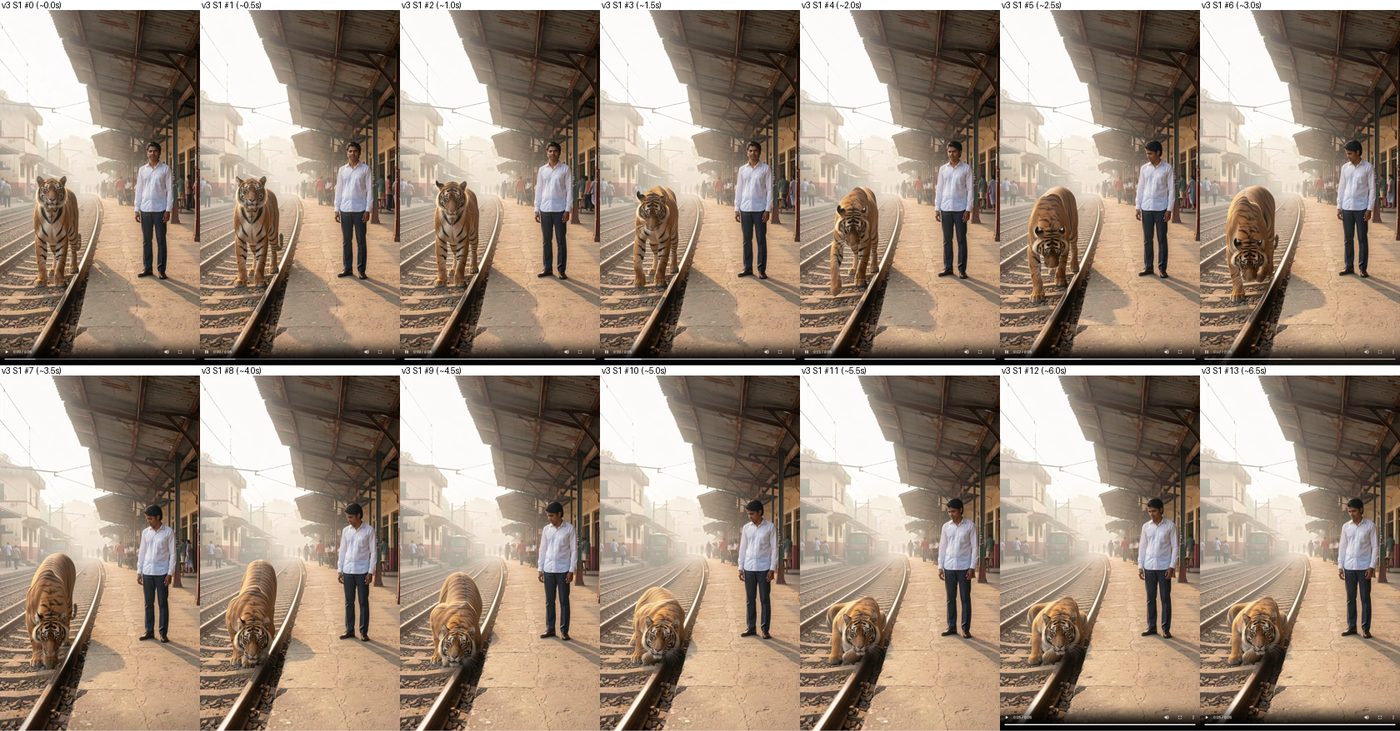
Wan 2.2, the first shot. Scored 7 of 8.
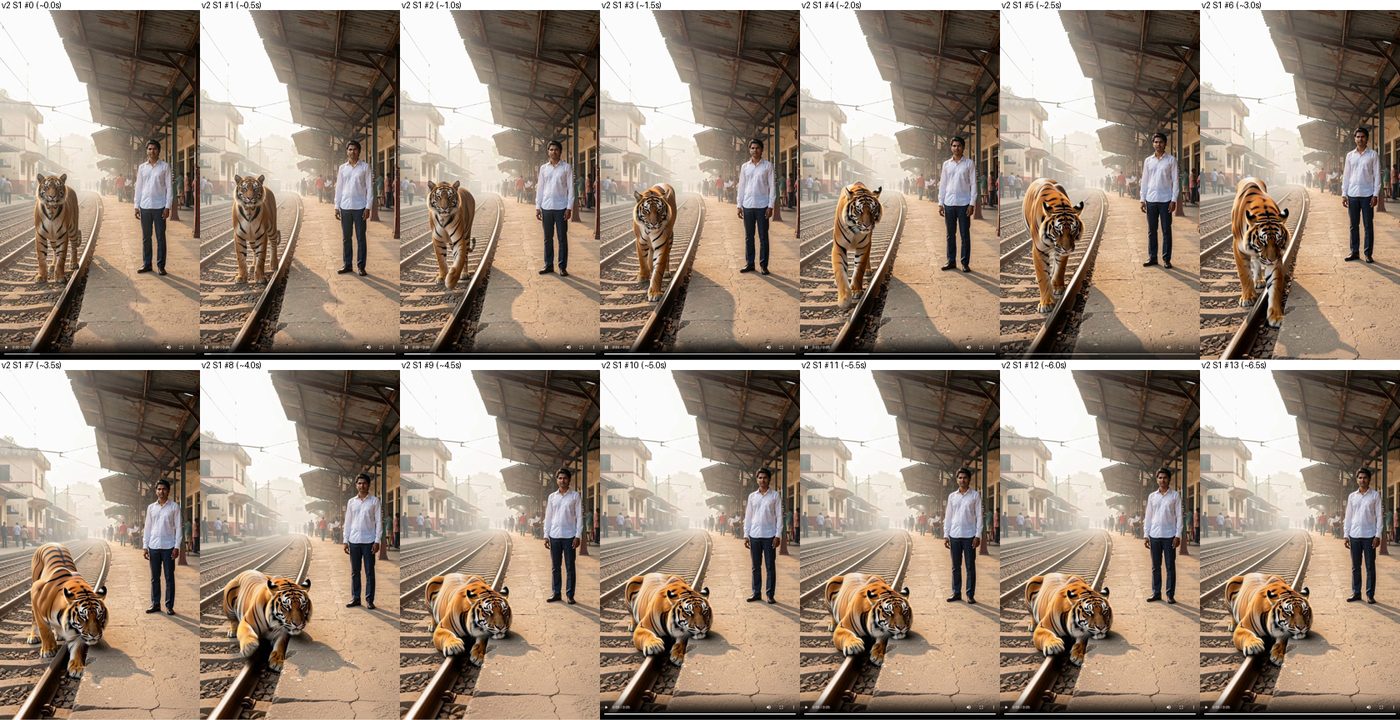
MiniMax H3, the first shot. Scored 7 of 8.
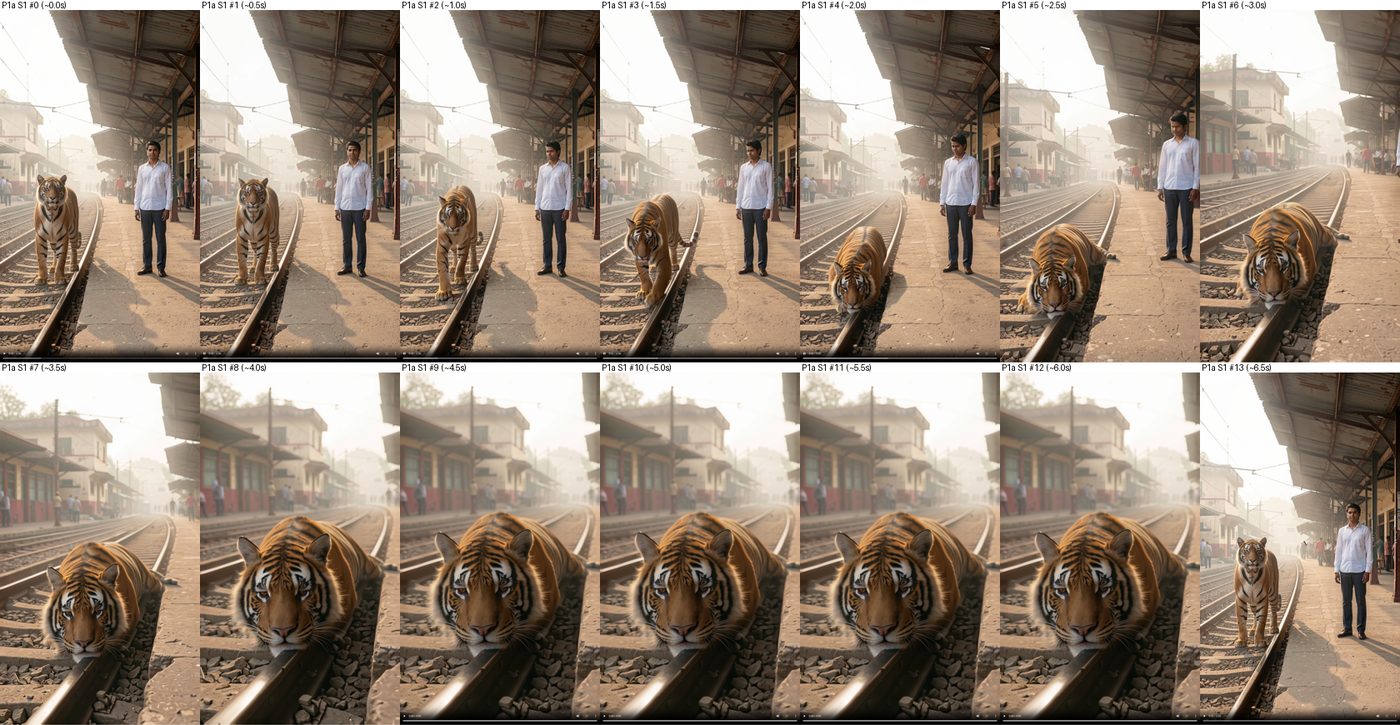
LTX 2.5, the first shot. Scored 4 of 8.
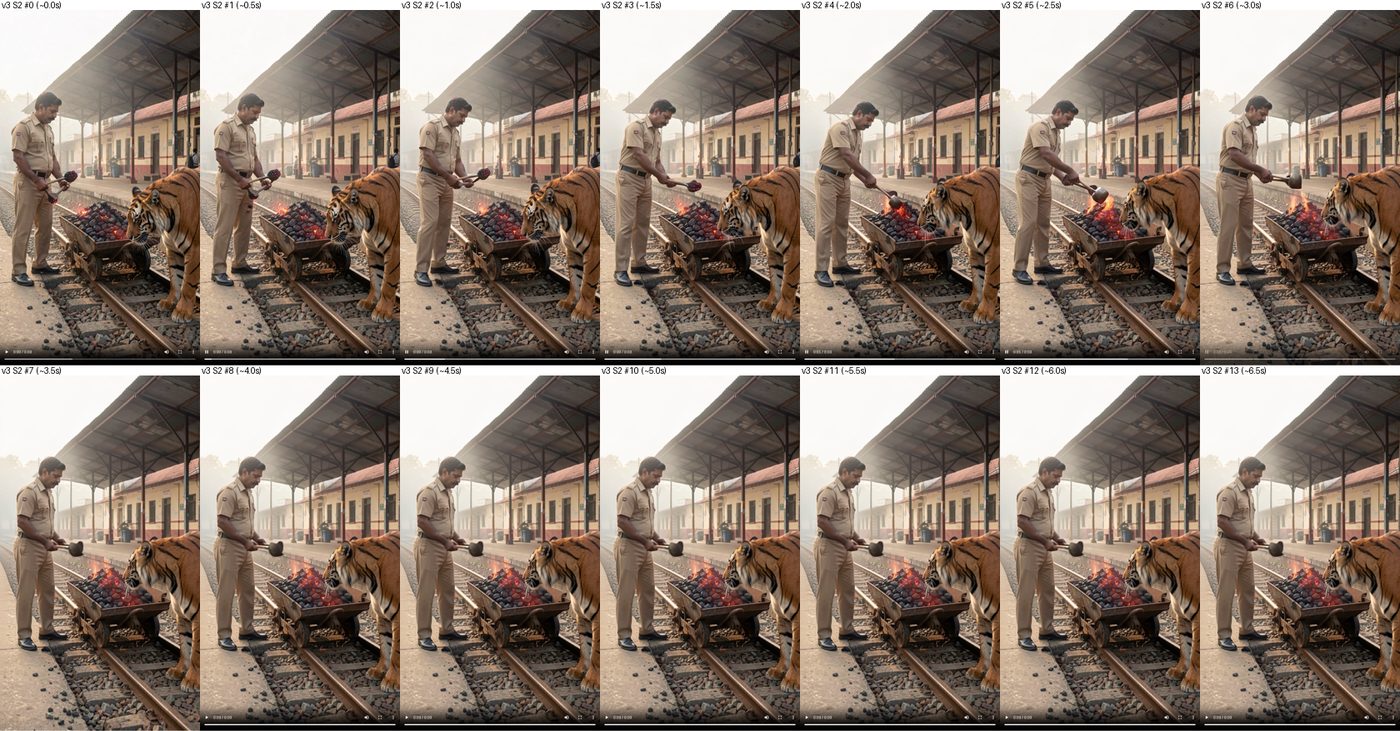
Wan 2.2, the second shot. Scored 5 of 8.
MiniMax H3, the second shot. Scored 6 of 8.
LTX 2.5, the second shot. Scored 4 of 8.
Wan 2.2, the third shot. Scored 7 of 8.
MiniMax H3, the third shot. Scored 7 of 8.
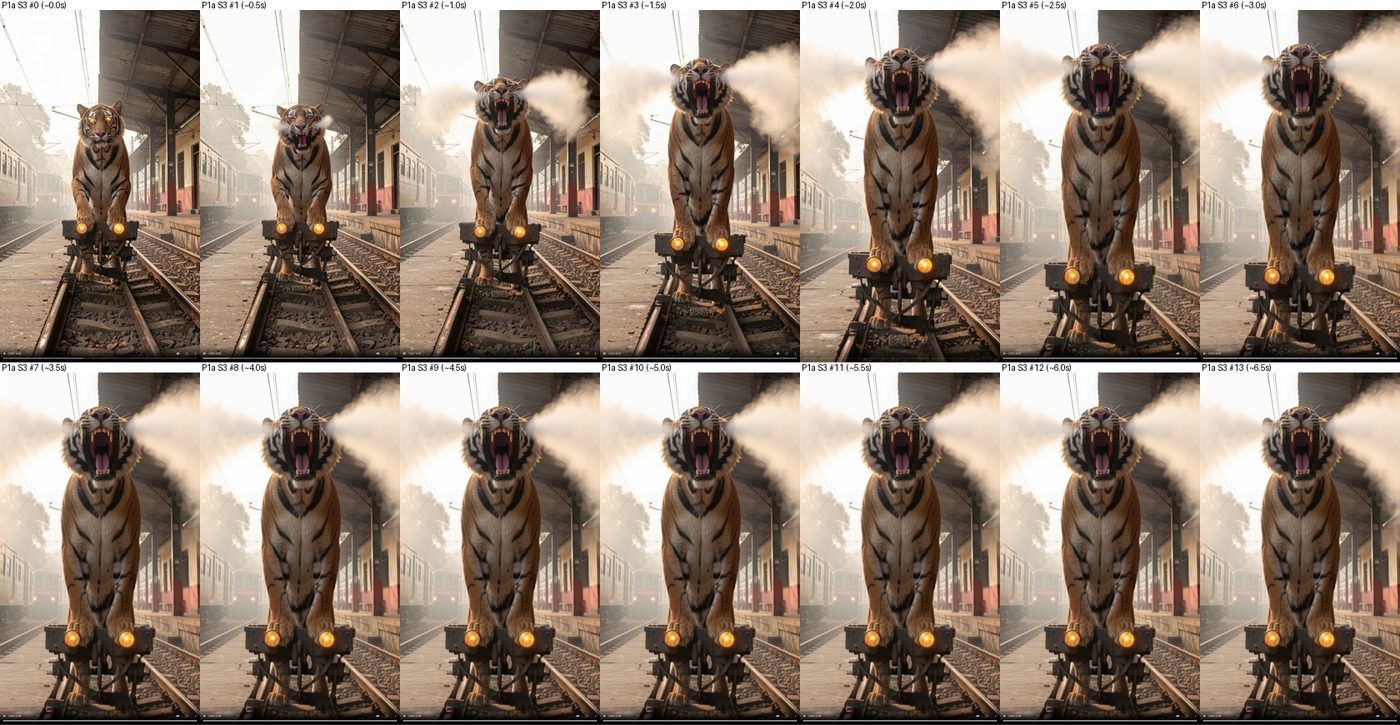
LTX 2.5, the third shot. Scored 7 of 8.
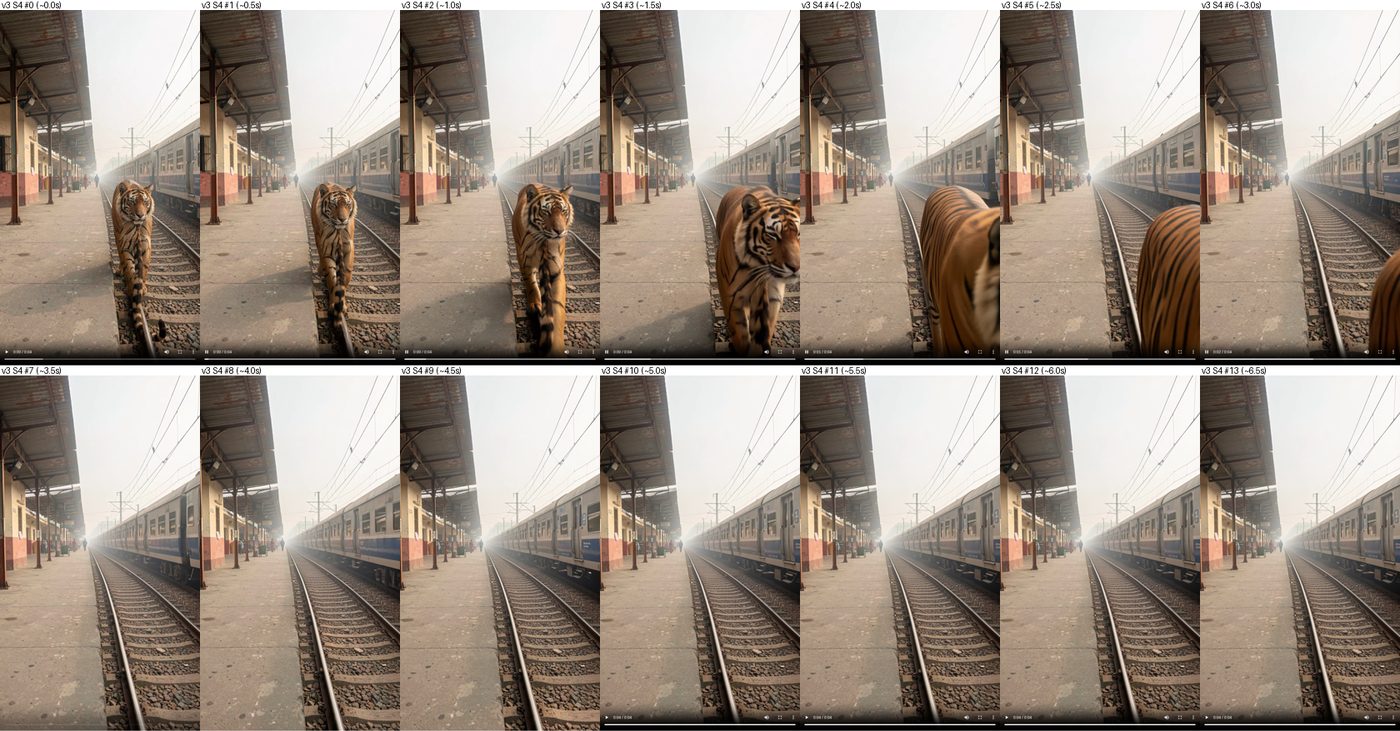
Wan 2.2, the fourth shot. Scored 4 of 8.
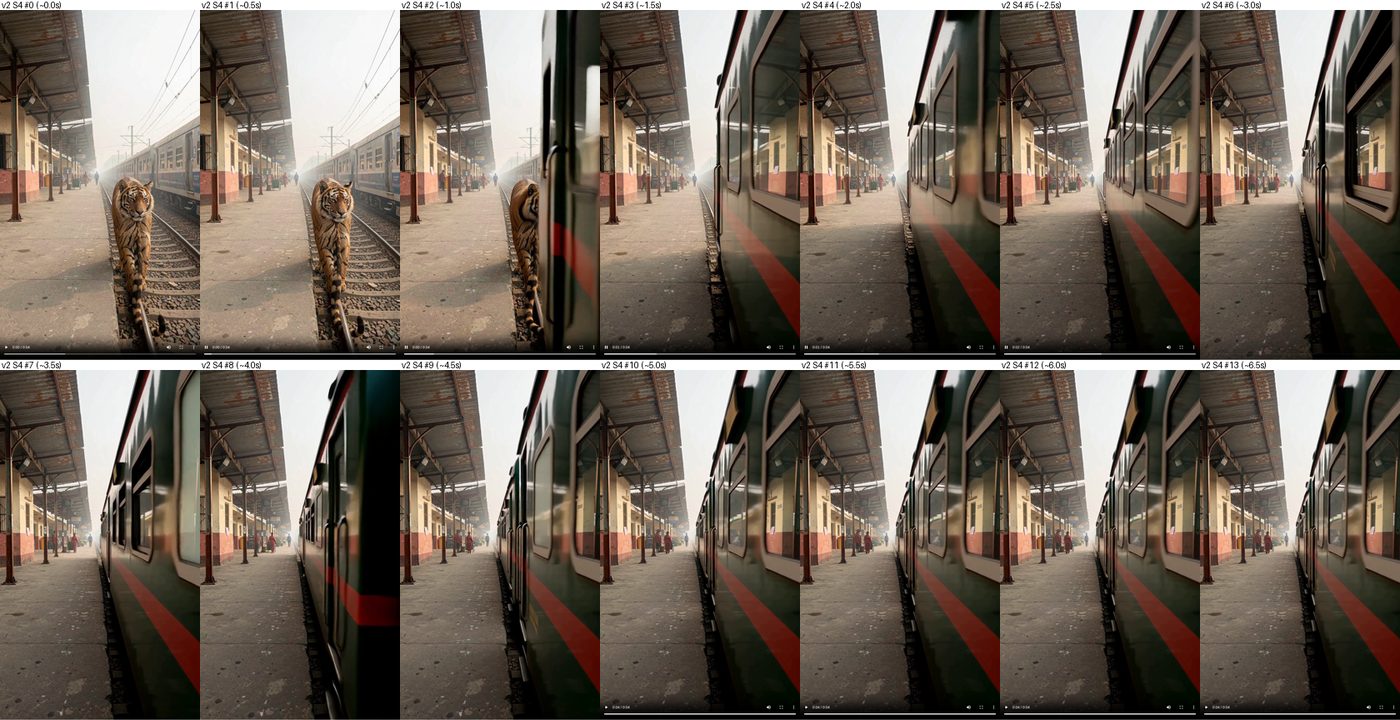
MiniMax H3, the fourth shot. Scored 6 of 8.
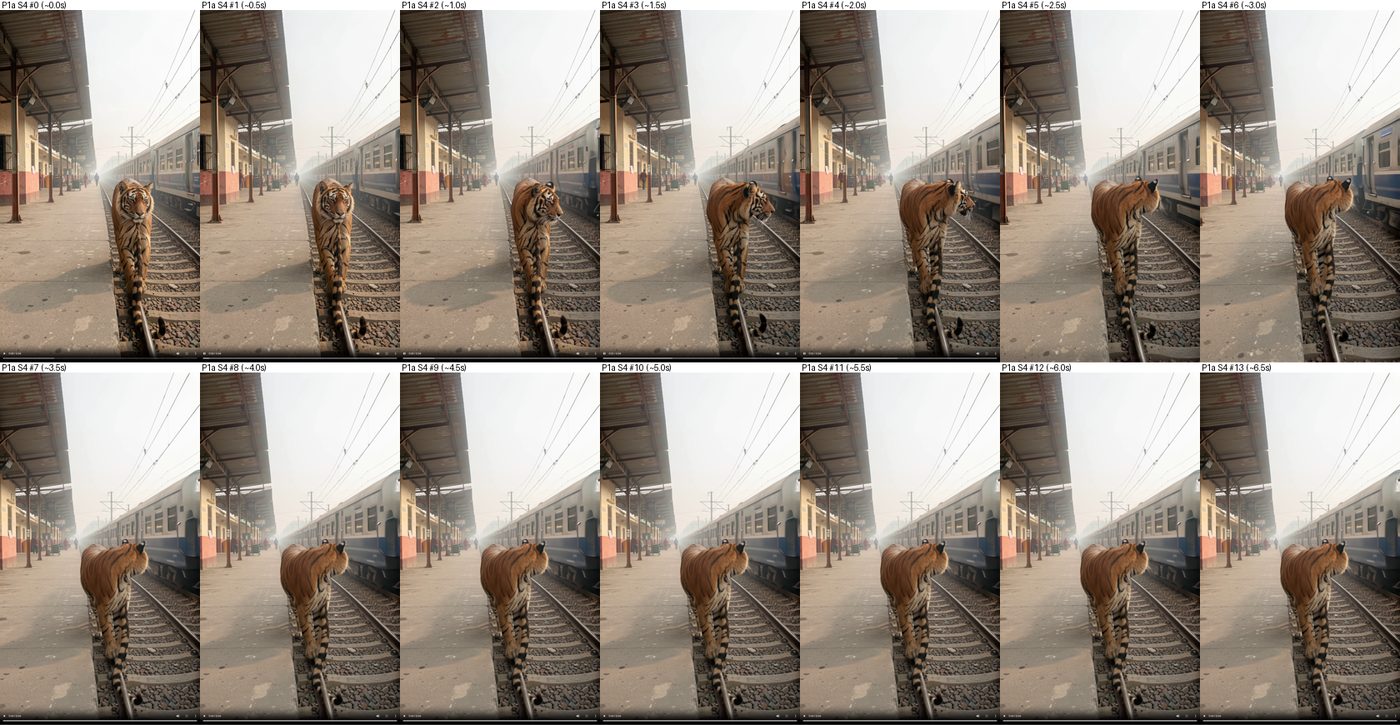
LTX 2.5, the fourth shot. Scored 4 of 8.
What changed when we fixed the pictures?
We redrew the pictures so that the character was drawn as intended. We then ran every model again. Every score rose, and LTX gained the most. Wan moved to the top, but only by a point.
So the spread in the first round was mostly the pictures, not the models.
| Model | First pictures | Redrawn pictures |
|---|---|---|
| Wan 2.2 | 23 | 28 |
| MiniMax H3 | 26 | 27 |
| LTX 2.5 | 18 | 25 |
What do the clips of the second round look like?
Here is every clip of the second round, shot by shot, with the same models side by side. The score under each clip counts the points that clip earned.
Check the character, the framing and the movement for yourself, and compare it with the points.
Each shot shows LTX 2.5 first, the baseline, and then Wan 2.2 and MiniMax H3 beside it. Each score is out of 8.
The first shot
Baseline: LTX 2.5, the clip model the film is drawn with
Change: Wan 2.2 (Round 2, New Stills)
Change: MiniMax H3 (Round 2, New Stills)
Scores: LTX 6, Wan 6, MiniMax 5.
The second shot
Baseline: LTX 2.5, the clip model the film is drawn with
Change: Wan 2.2 (Round 2, New Stills)
Change: MiniMax H3 (Round 2, New Stills)
Scores: LTX 5, Wan 7, MiniMax 7.
The third shot
Baseline: LTX 2.5, the clip model the film is drawn with
Change: Wan 2.2 (Round 2, New Stills)
Change: MiniMax H3 (Round 2, New Stills)
Scores: LTX 8, Wan 8, MiniMax 8.
The fourth shot
Baseline: LTX 2.5, the clip model the film is drawn with
Change: Wan 2.2 (Round 2, New Stills)
Change: MiniMax H3 (Round 2, New Stills)
Scores: LTX 6, Wan 7, MiniMax 7.
What do the frame sheets of the second round look like?
These are the grader’s sheets for the second round’s clips, in the same order.
Open the second round's frame sheets
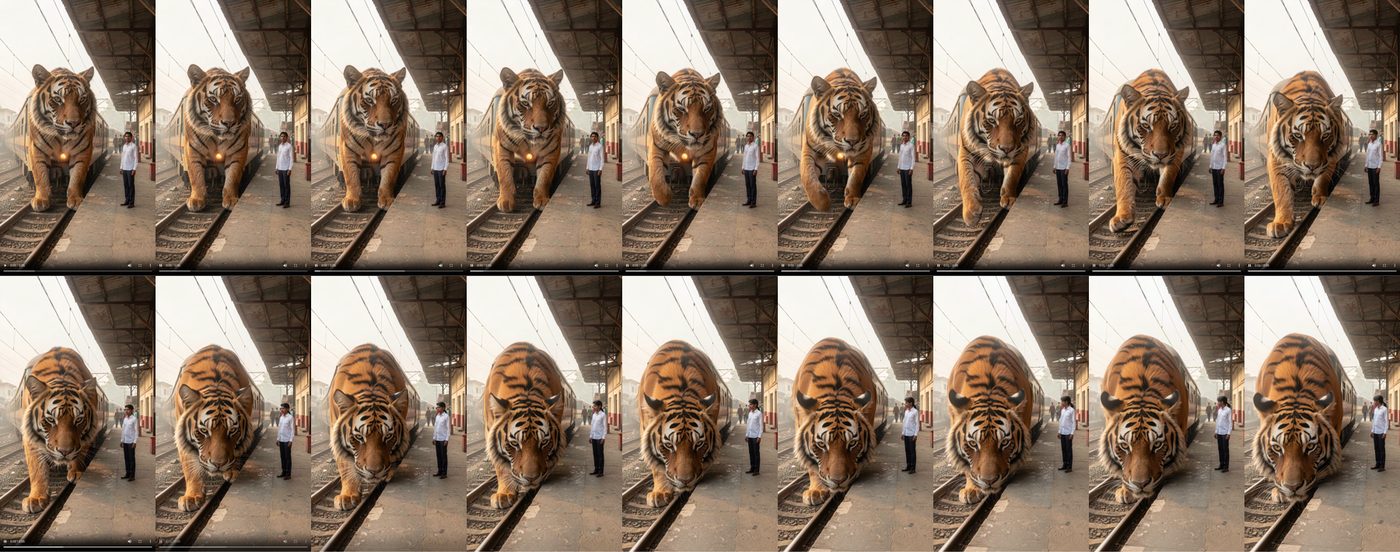
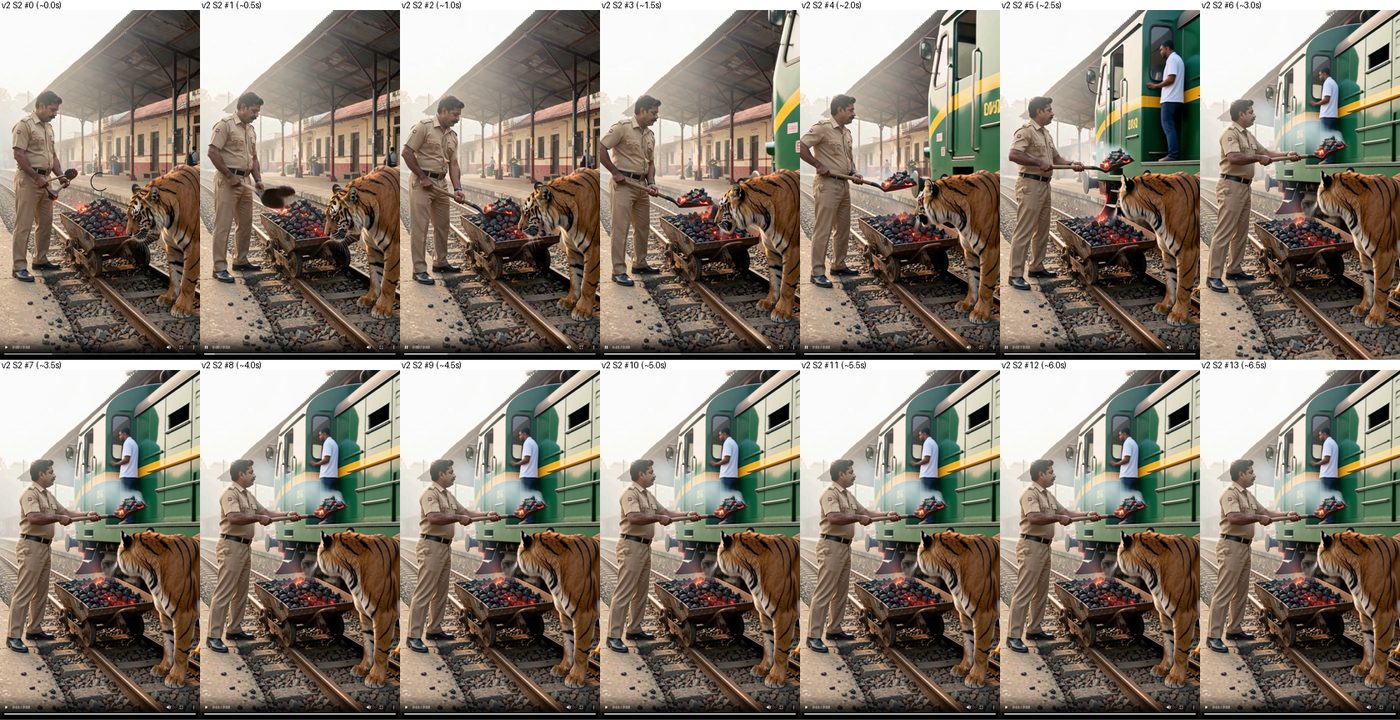
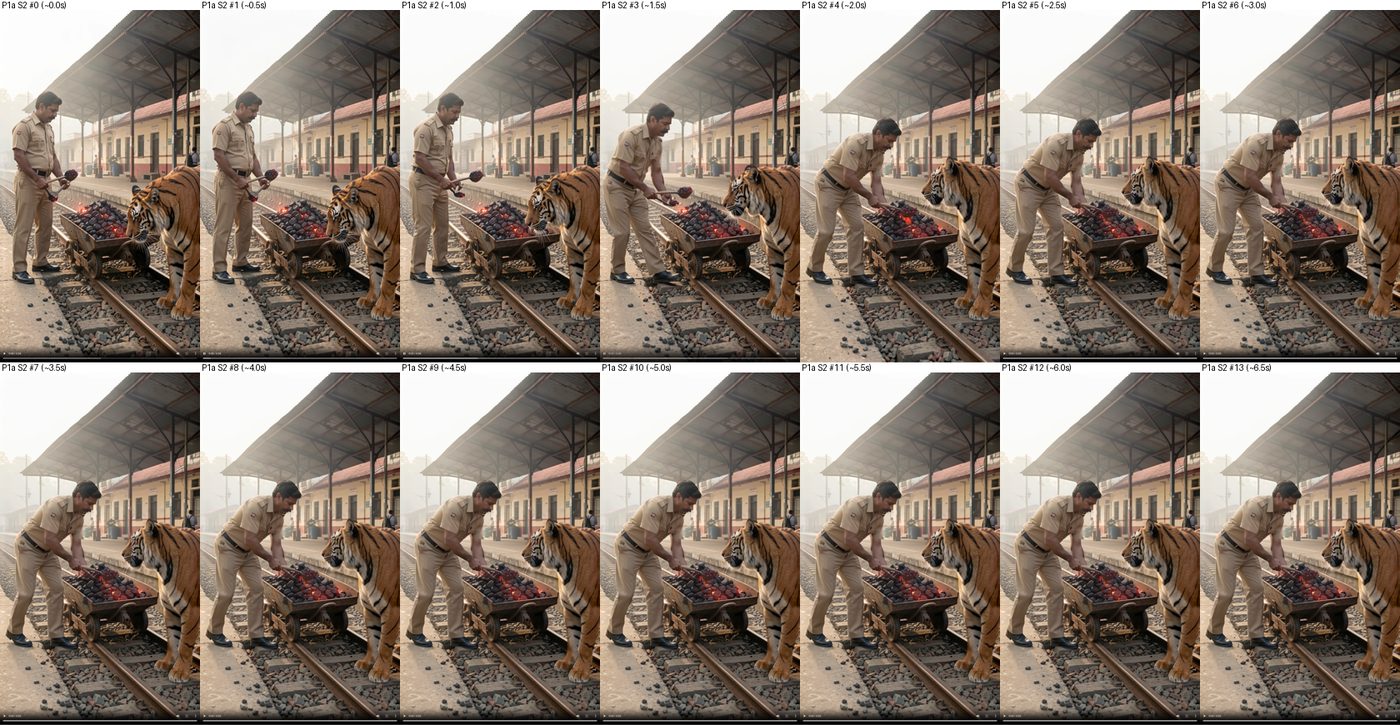
Wan 2.2, the first shot. Scored 6 of 8. Look at the last frames: the ears turn into dark horns.
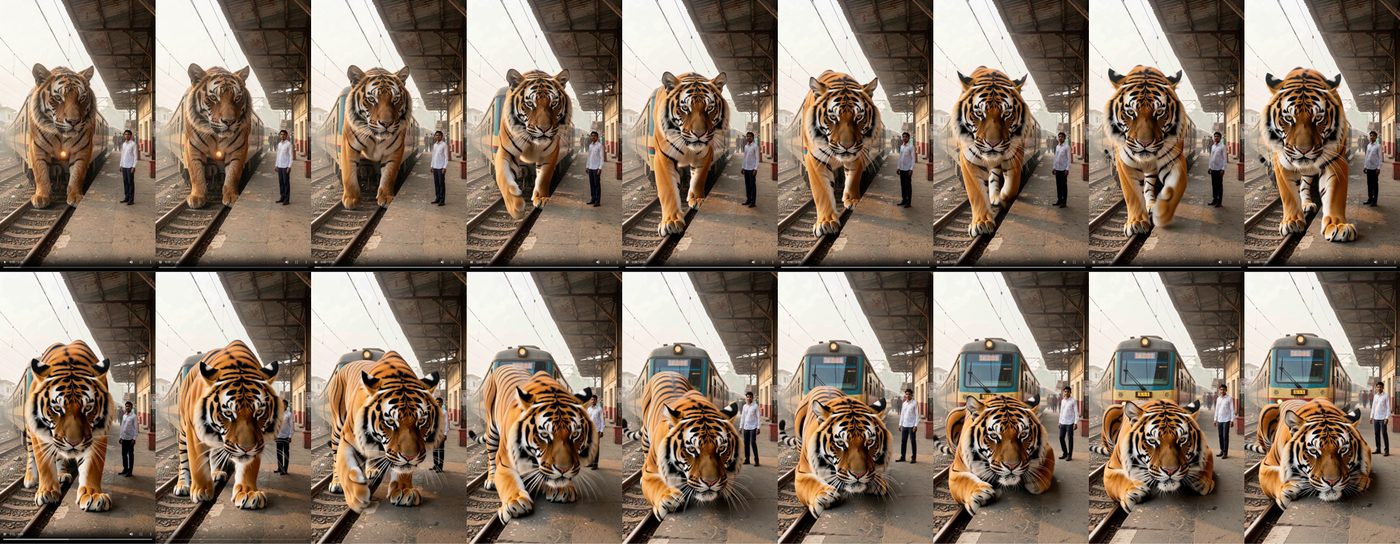
MiniMax H3, the first shot. Scored 5 of 8. Look at the last frames: the ears turn into dark horns, and the background swings.
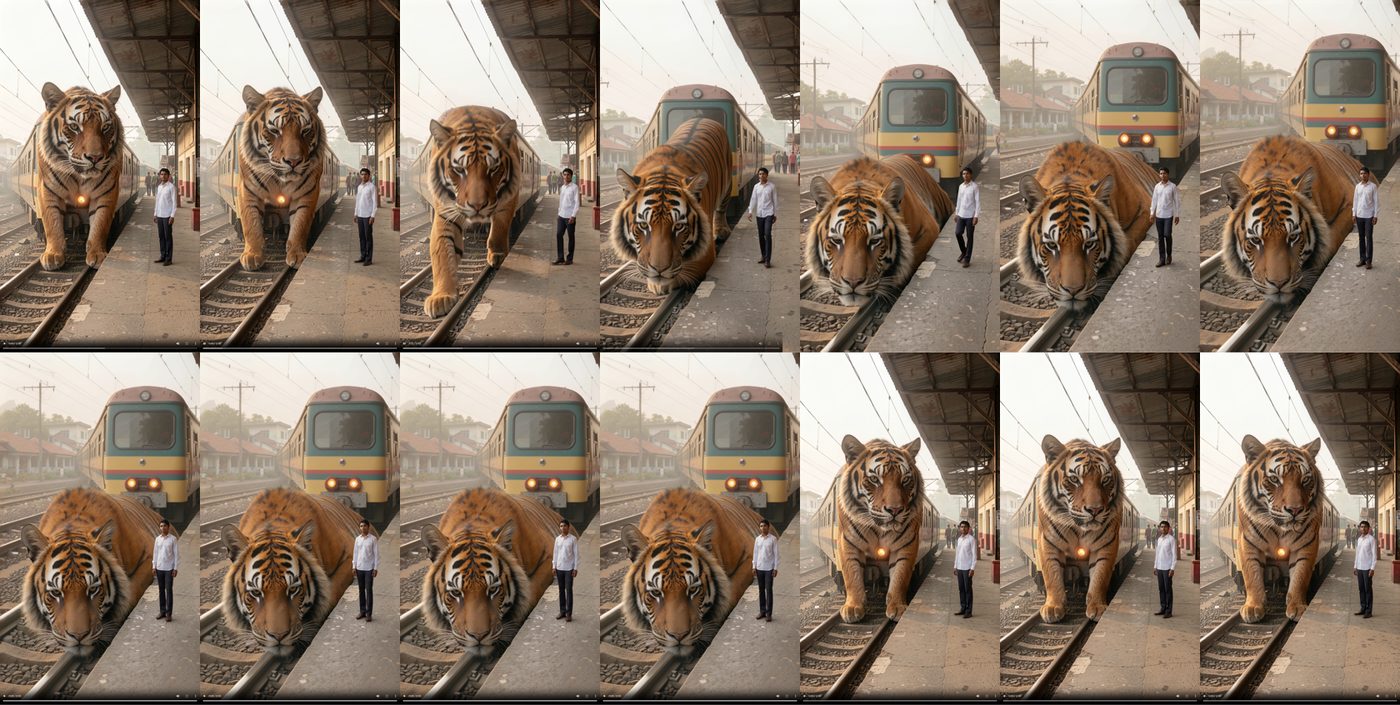
LTX 2.5, the first shot. Scored 6 of 8. Look at the background: it swings.
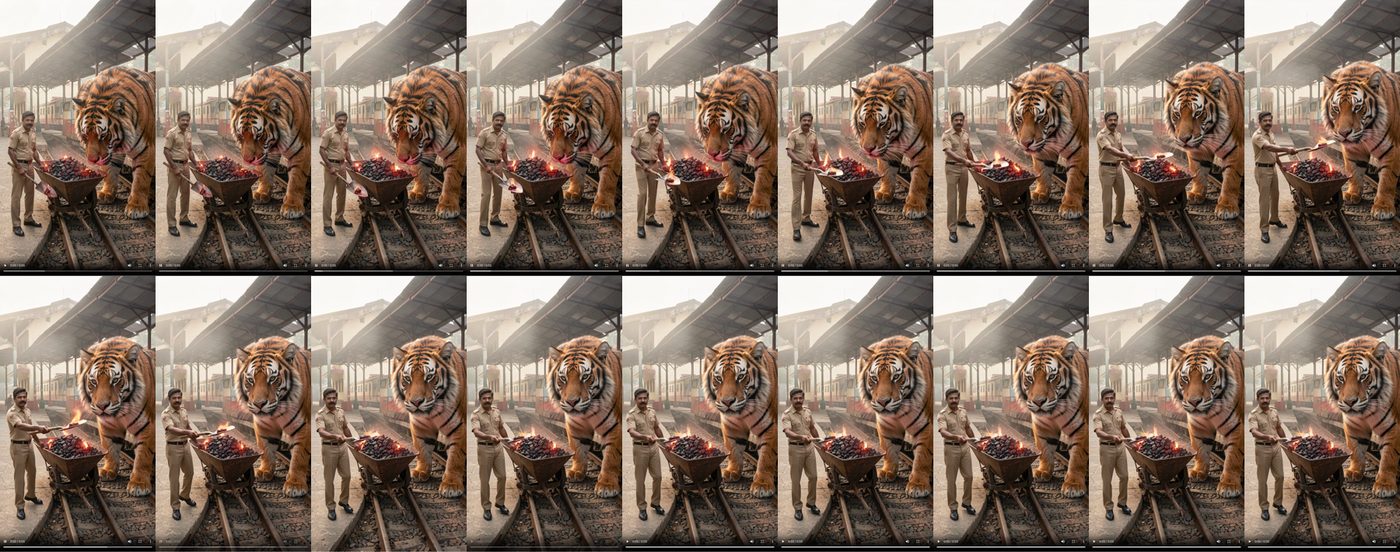
Wan 2.2, the second shot. Scored 7 of 8.
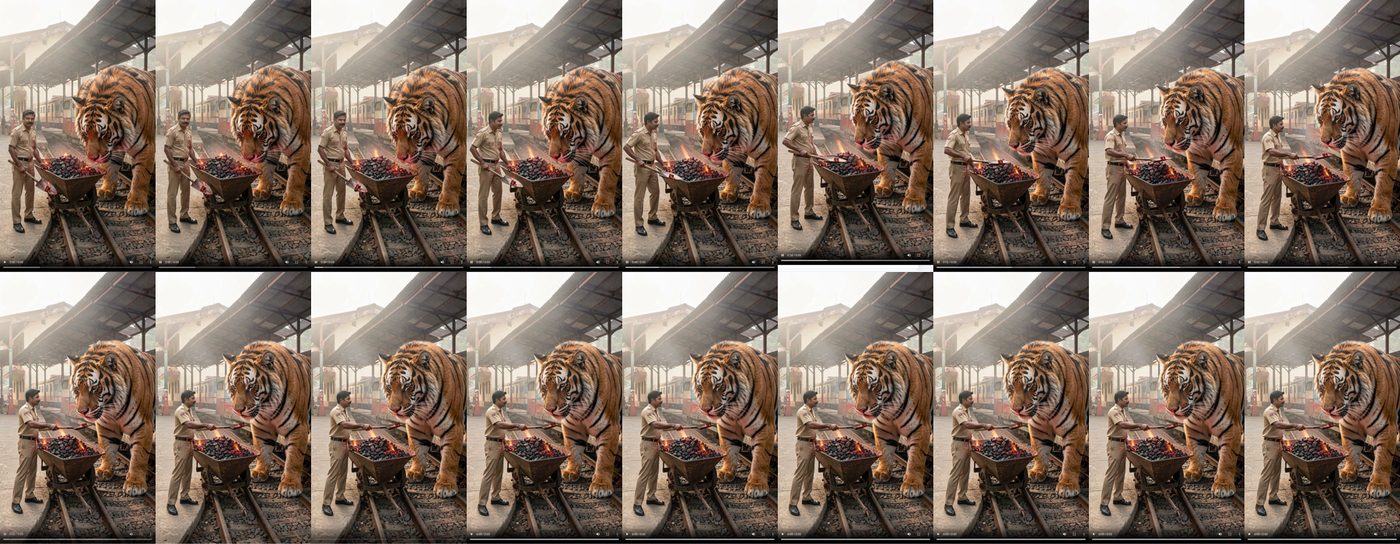
MiniMax H3, the second shot. Scored 7 of 8.
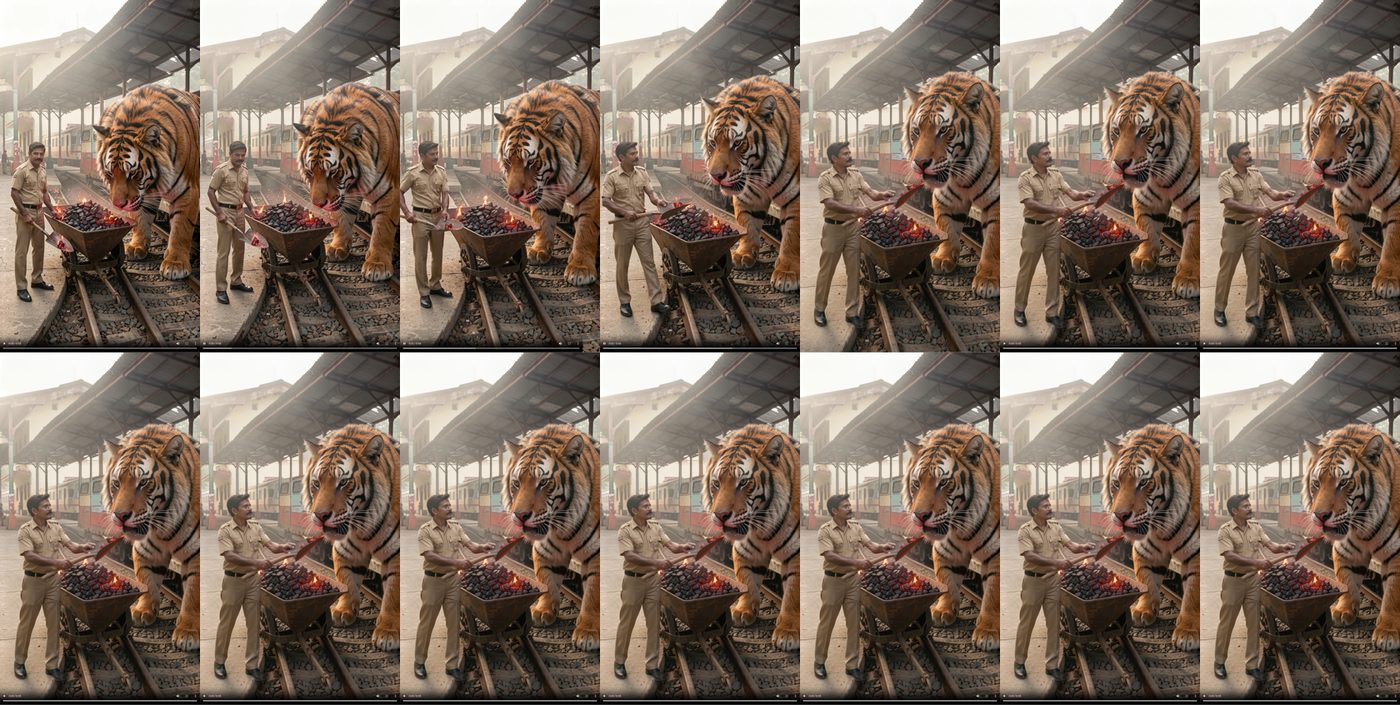
LTX 2.5, the second shot. Scored 5 of 8.
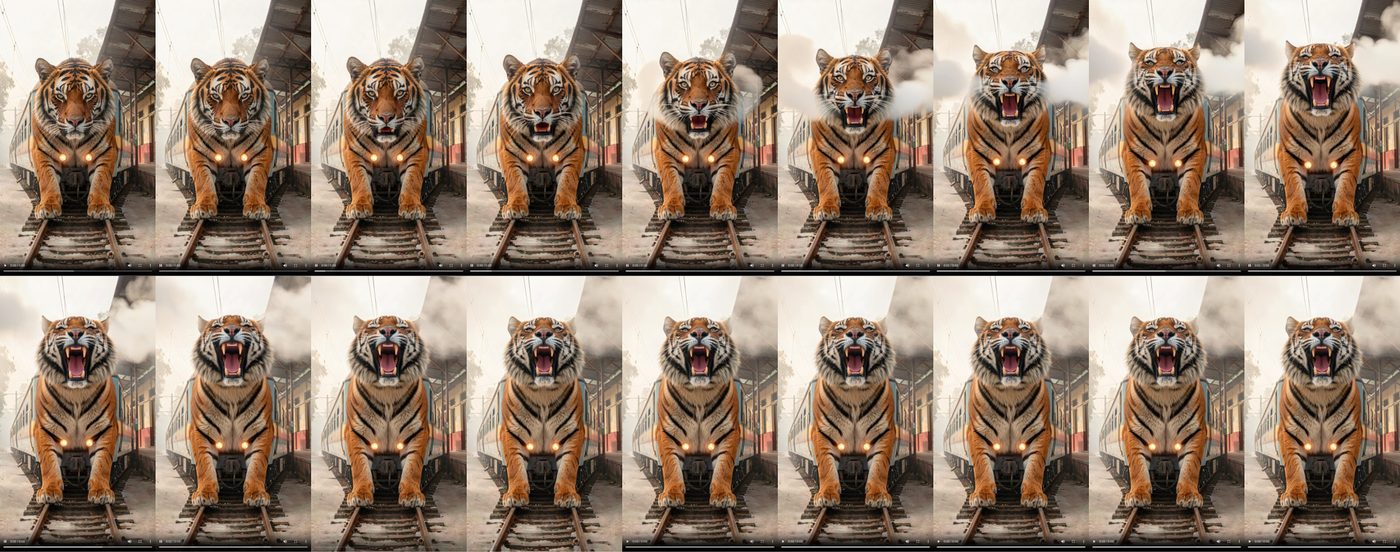
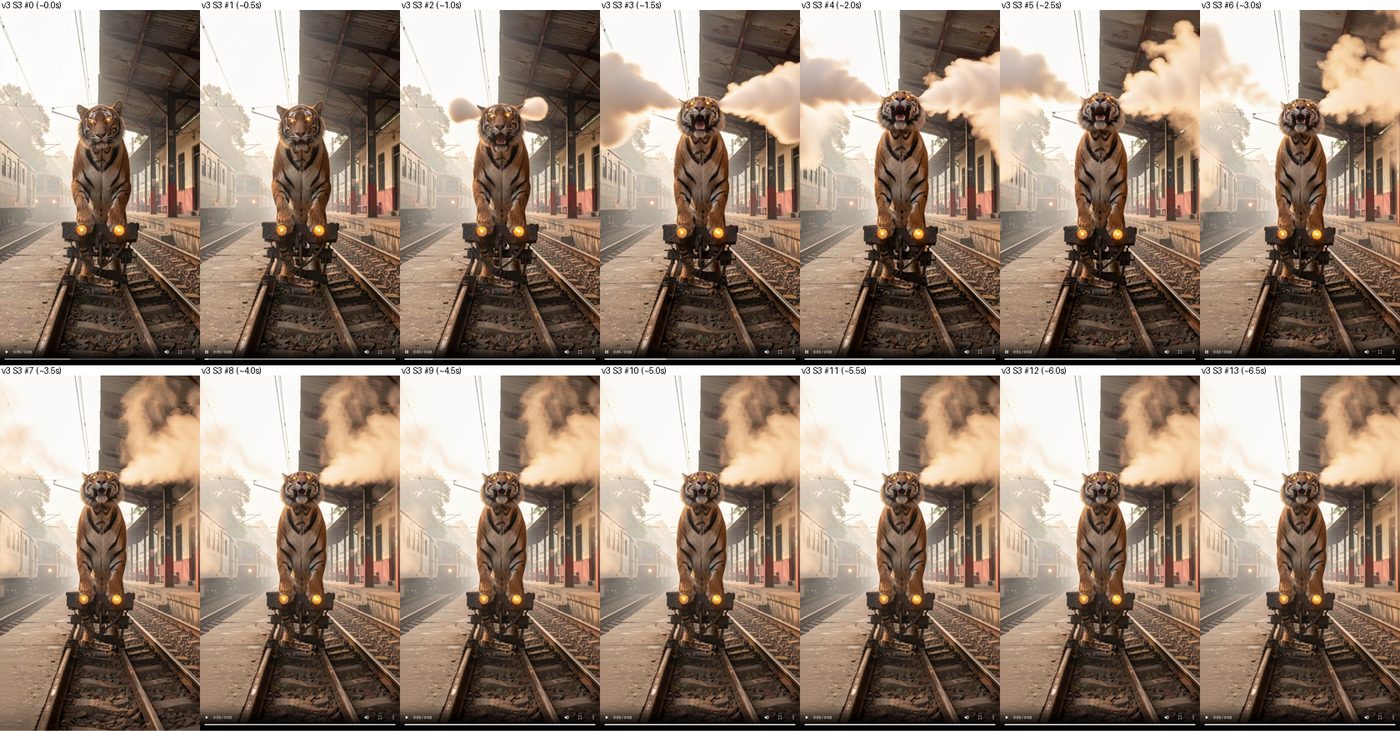
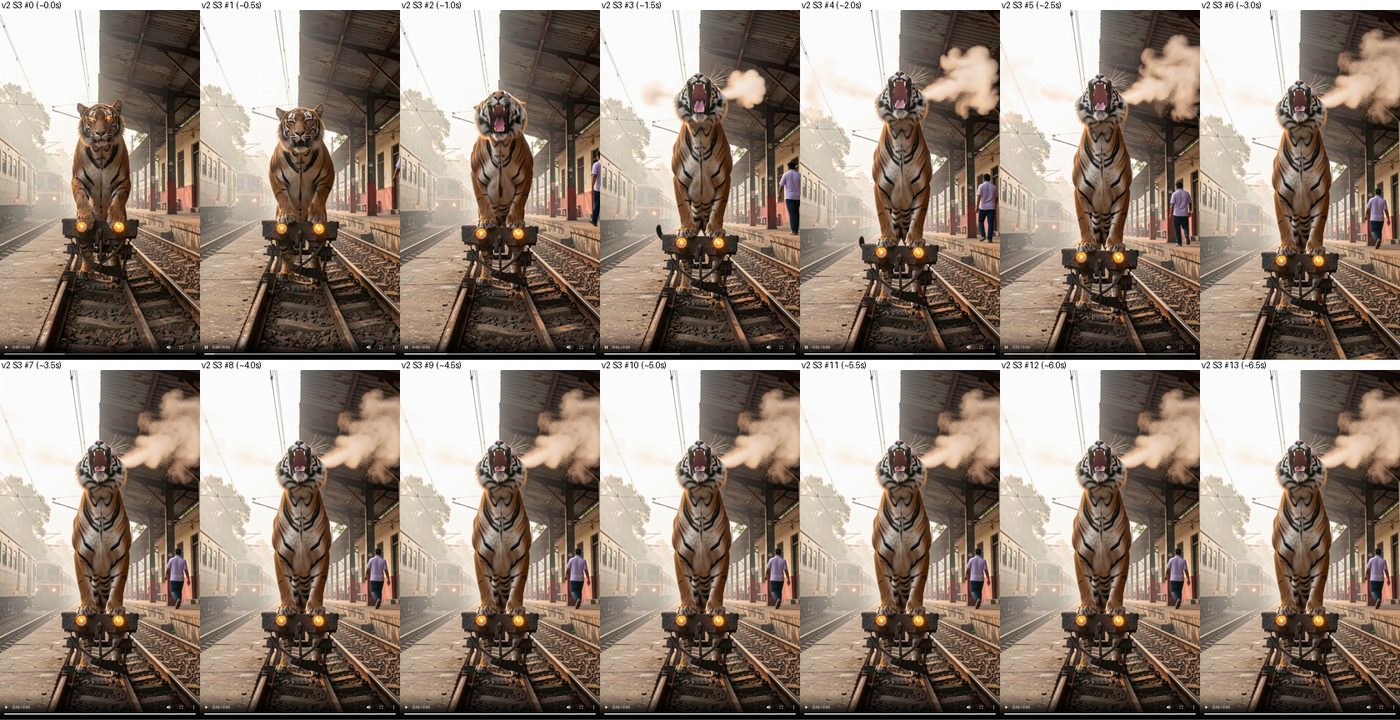
Wan 2.2, the third shot. Scored 8 of 8.
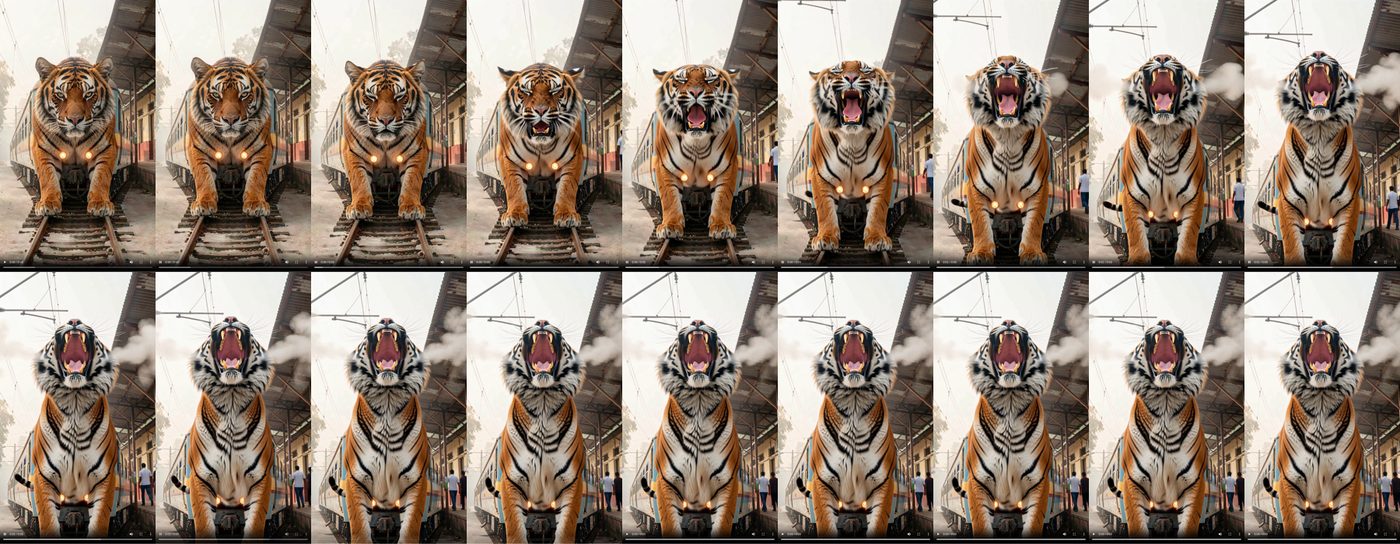
MiniMax H3, the third shot. Scored 8 of 8.
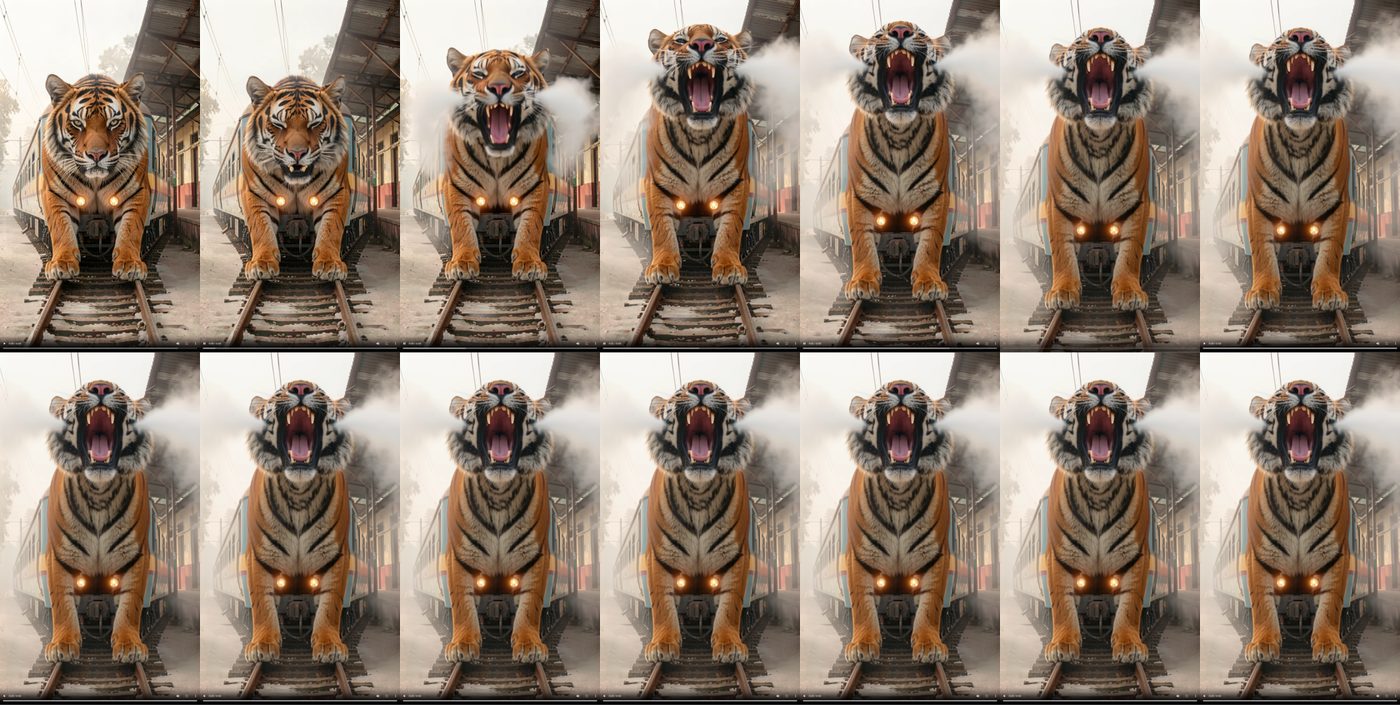
LTX 2.5, the third shot. Scored 8 of 8.
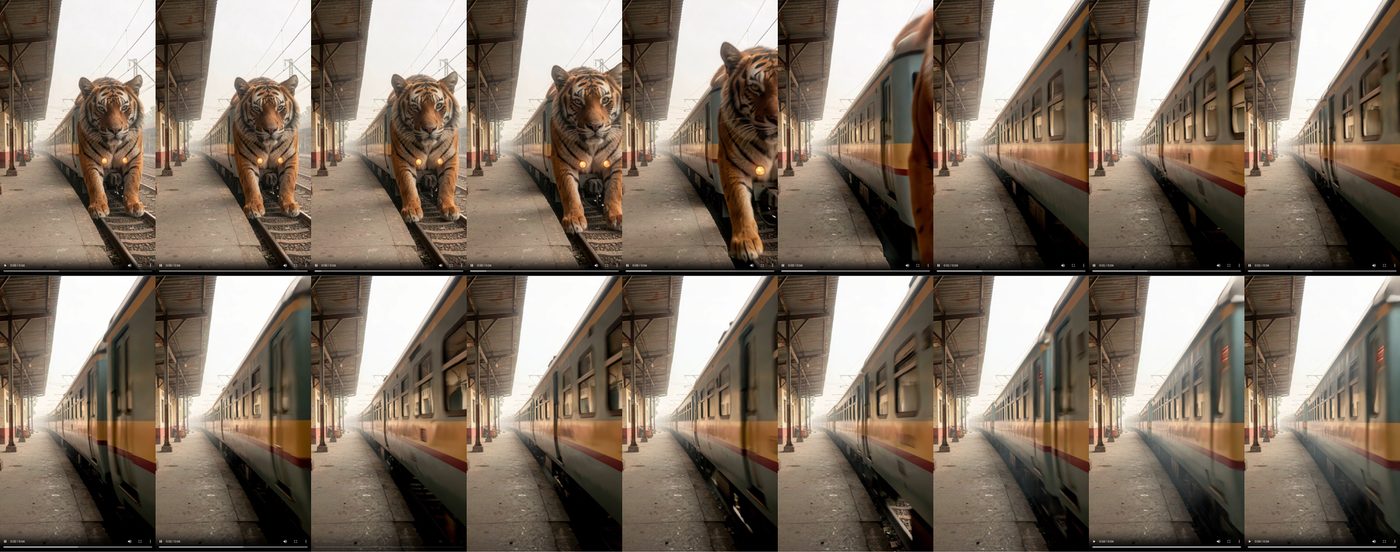
Wan 2.2, the fourth shot. Scored 7 of 8.
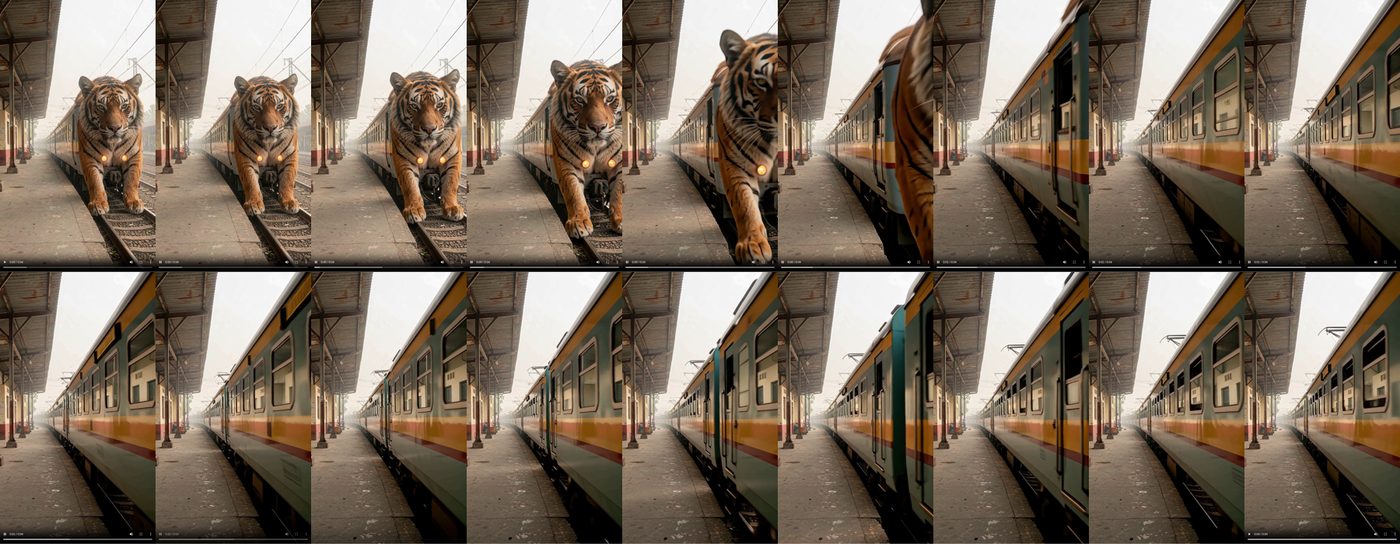
MiniMax H3, the fourth shot. Scored 7 of 8.
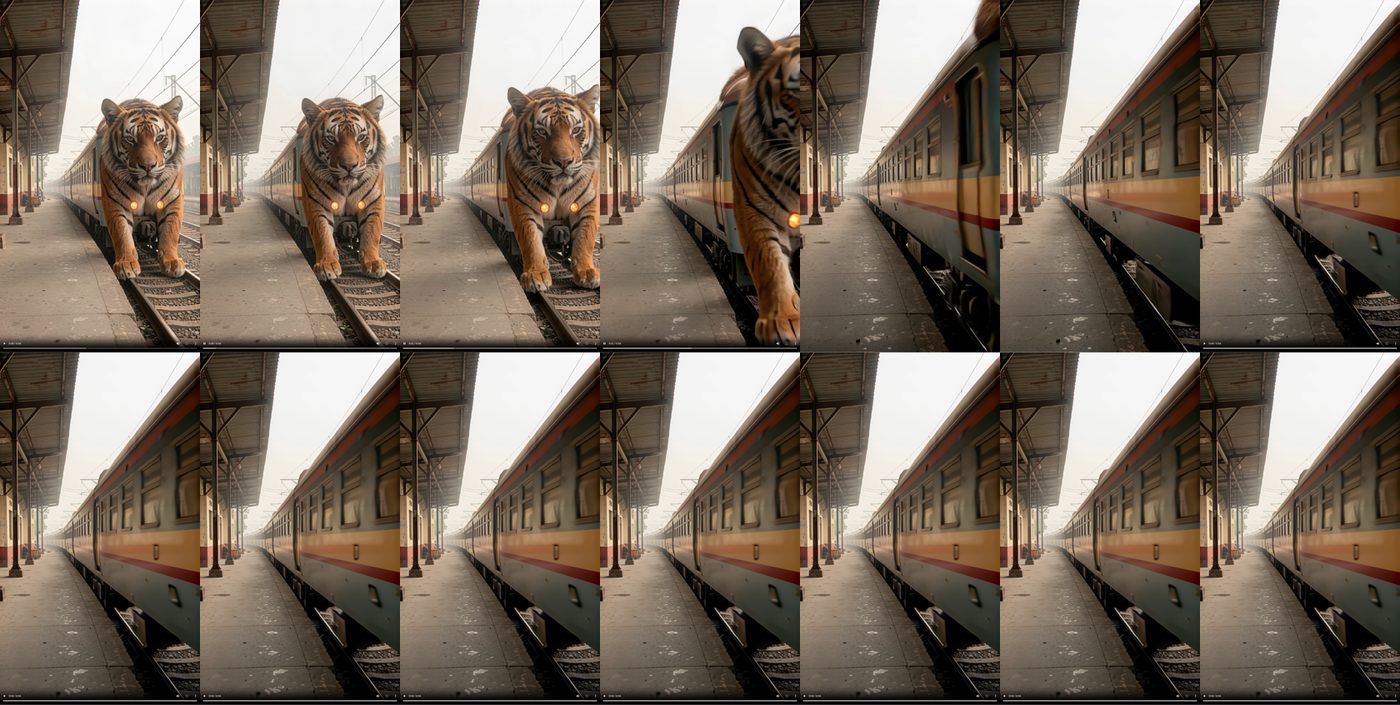
LTX 2.5, the fourth shot. Scored 6 of 8.
Did changing a setting help?
We changed one setting at a time against each model’s own score. We tried a sharper draw in stages for LTX, the prompt style that LTX and Wan prefer, more steps for MiniMax, and a mode with several shots in one clip. No setting beat its model’s baseline.
The clearest case was Wan with its full number of steps. It scored 23 against 28, and took about 8 times as long to draw. It was worse and slower.
What do the clips of the third round look like?
These are the clips of the third round, one setting changed at a time. Each shot has a group of clips, one for each setting, in the order of the table below. Compare the same shot across the settings.
LTX 2.5, the sharper draw in stages, the first shot.
LTX 2.5, its own prompt style, the first shot.
MiniMax H3, more steps, the first shot.
MiniMax H3, several shots in one clip, the first shot.
Wan 2.2, full number of steps, the first shot.
Wan 2.2, its own prompt style, the first shot.
LTX 2.5, the sharper draw in stages, the second shot.
LTX 2.5, its own prompt style, the second shot.
MiniMax H3, more steps, the second shot.
MiniMax H3, several shots in one clip, the second shot.
Wan 2.2, full number of steps, the second shot.
Wan 2.2, its own prompt style, the second shot.
LTX 2.5, the sharper draw in stages, the third shot.
LTX 2.5, its own prompt style, the third shot.
MiniMax H3, more steps, the third shot.
MiniMax H3, several shots in one clip, the third shot.
Wan 2.2, full number of steps, the third shot.
Wan 2.2, its own prompt style, the third shot.
LTX 2.5, the sharper draw in stages, the fourth shot.
LTX 2.5, its own prompt style, the fourth shot.
MiniMax H3, more steps, the fourth shot.
MiniMax H3, several shots in one clip, the fourth shot.
Wan 2.2, full number of steps, the fourth shot.
Wan 2.2, its own prompt style, the fourth shot.
What do the frame sheets of the third round look like?
These are the grader’s sheets for the third round’s clips. The table gives the score of the whole film for each change.
Open the third round's frame sheets
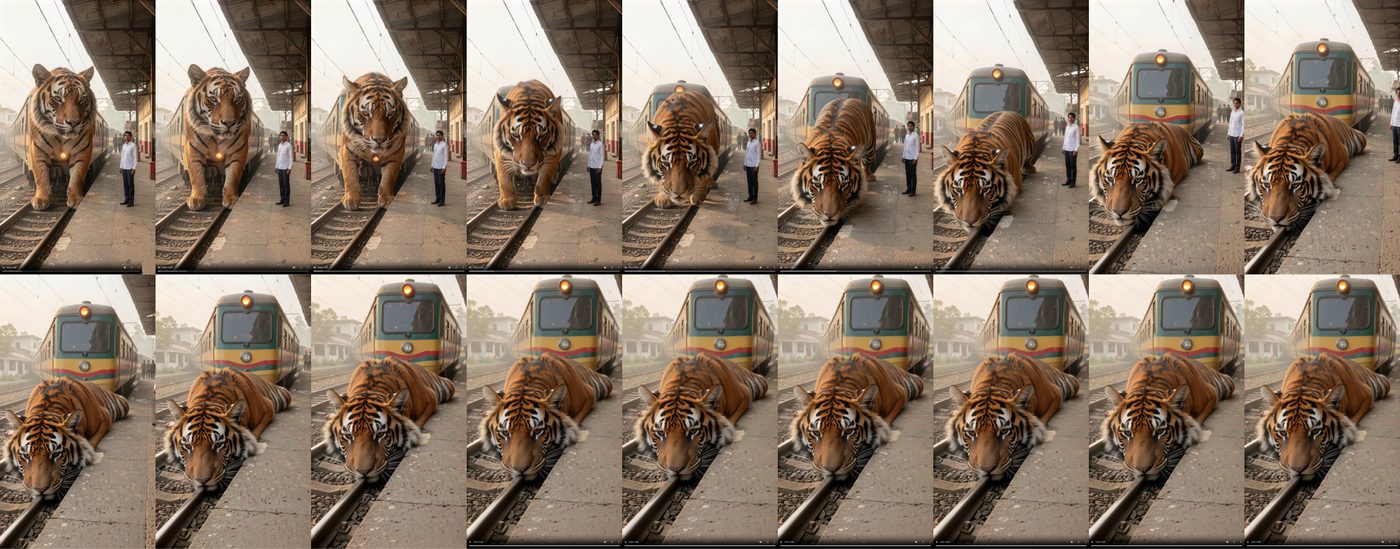
LTX 2.5, the sharper draw in stages, the first shot.
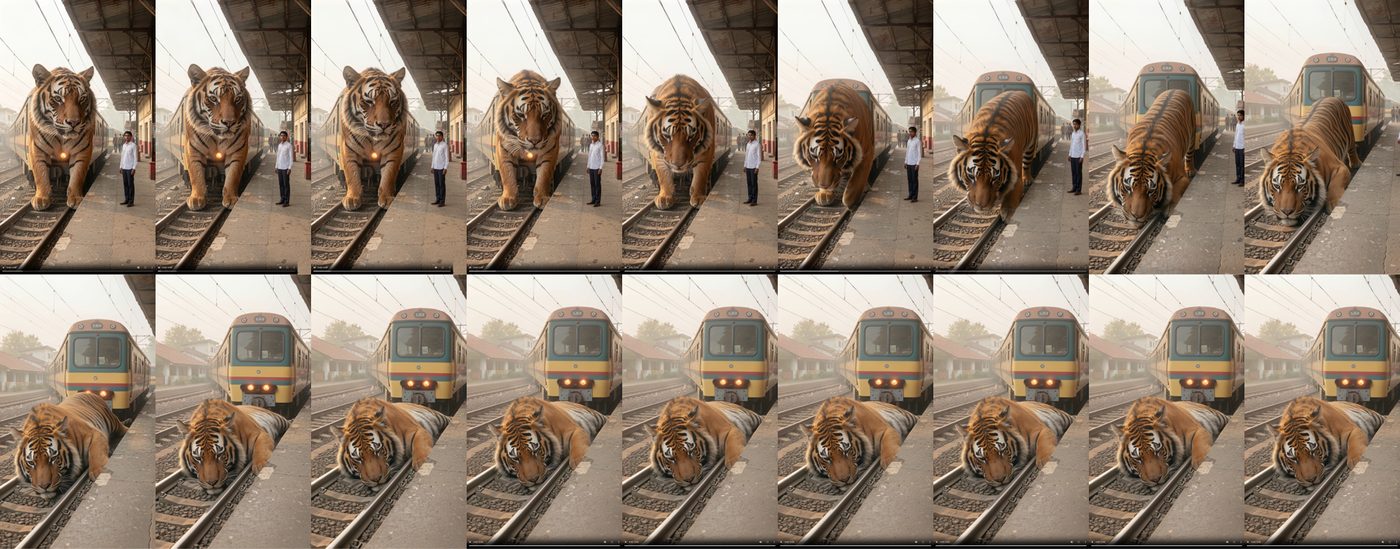
LTX 2.5, its own prompt style, the first shot.
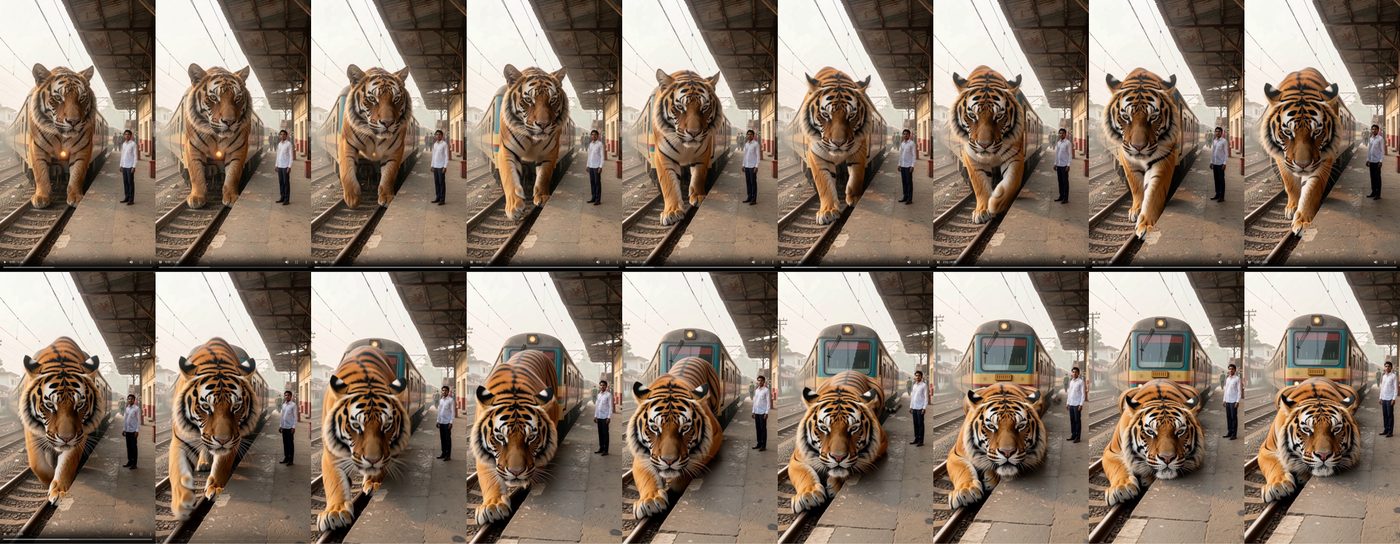
MiniMax H3, more steps, the first shot.
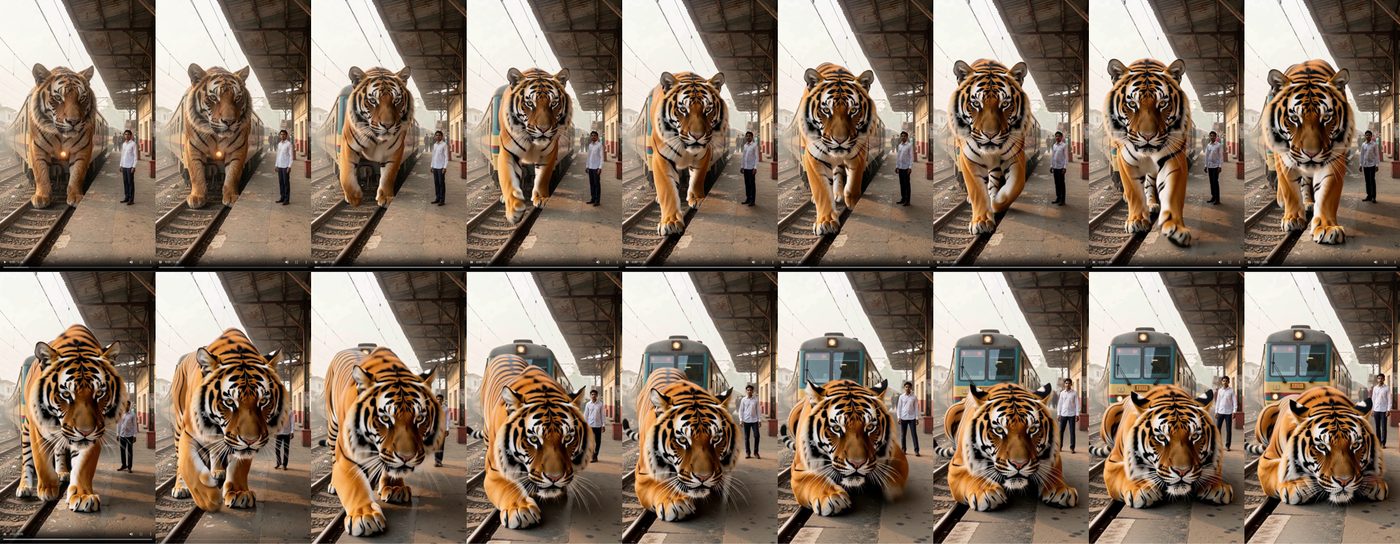
MiniMax H3, several shots in one clip, the first shot.
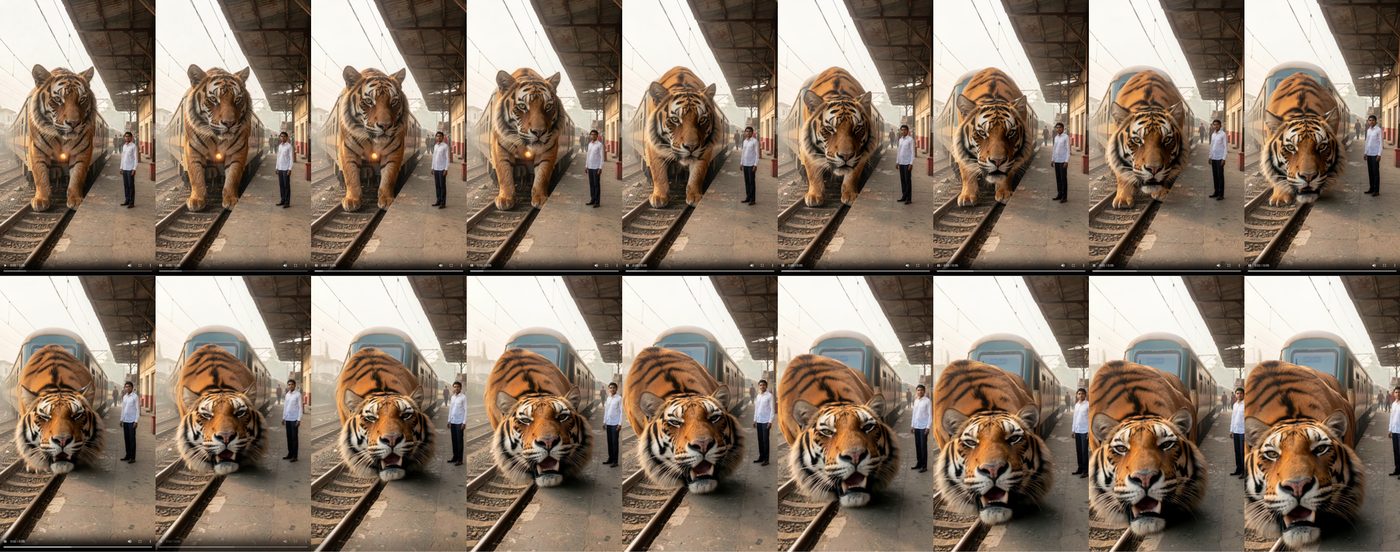
Wan 2.2, full number of steps, the first shot.
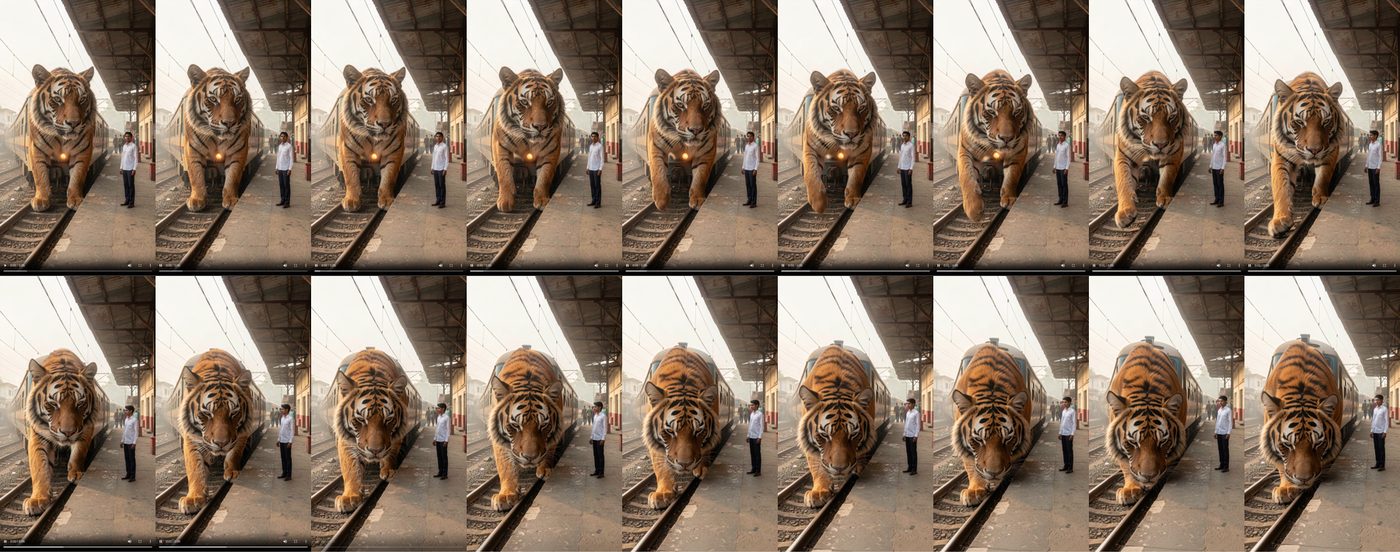
Wan 2.2, its own prompt style, the first shot.
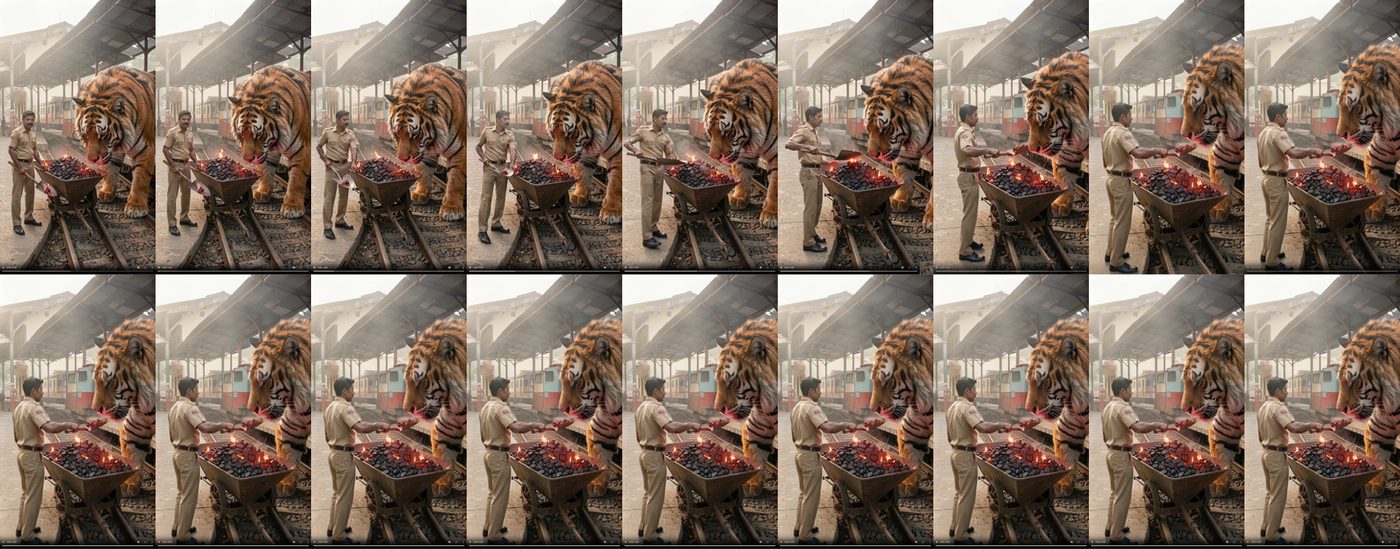
LTX 2.5, the sharper draw in stages, the second shot.
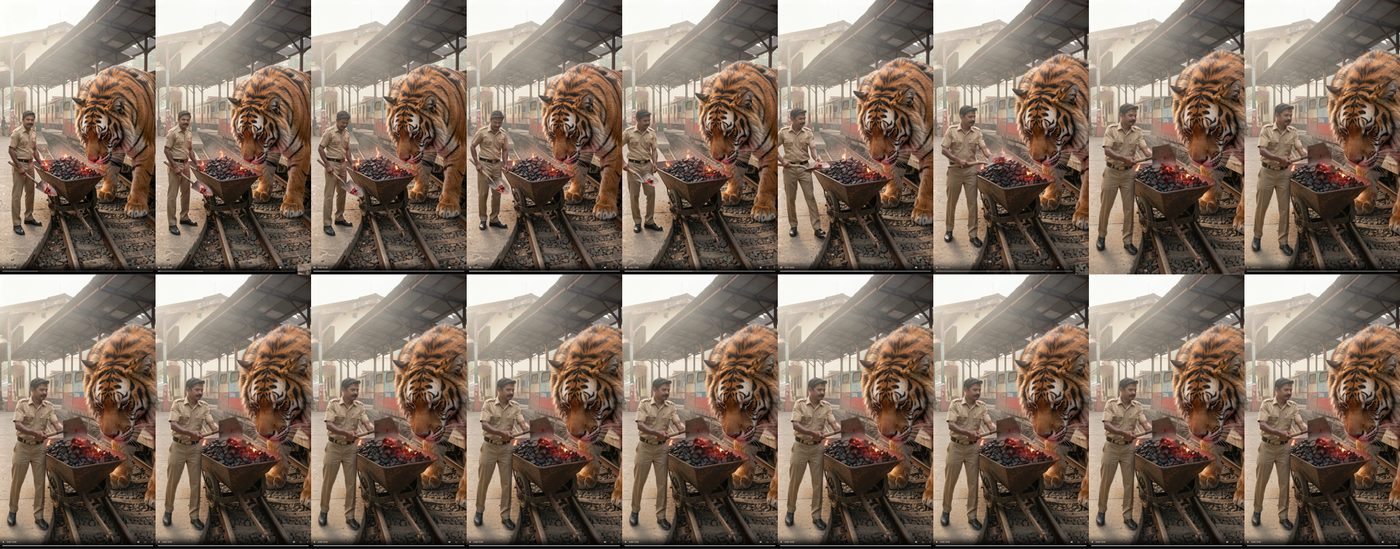
LTX 2.5, its own prompt style, the second shot.
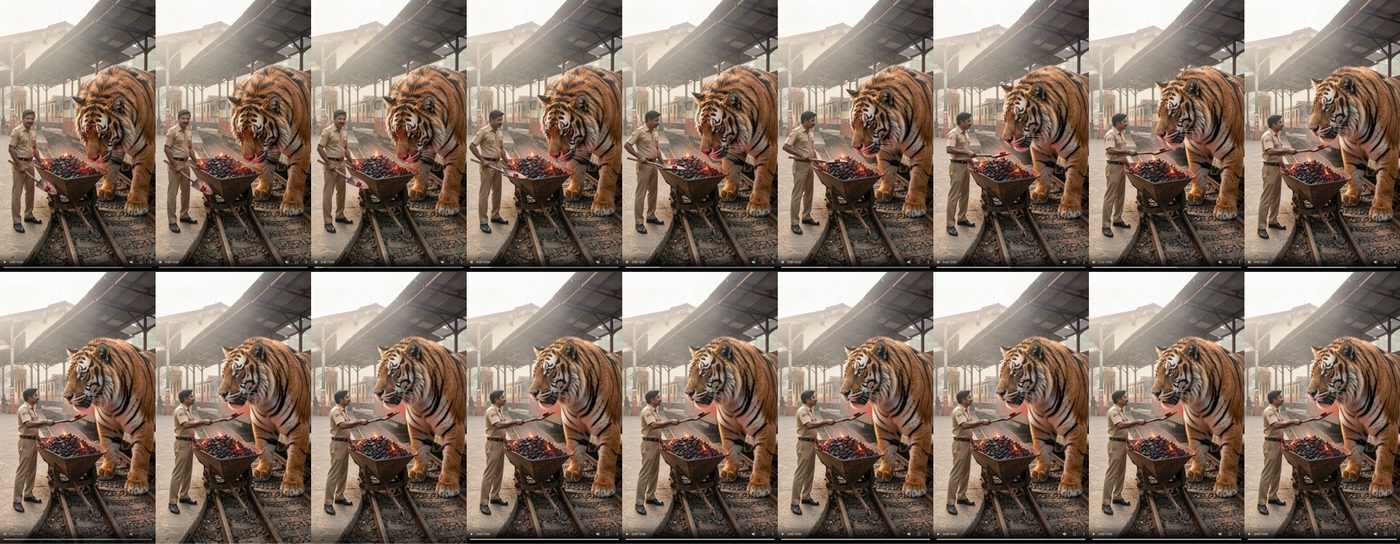
MiniMax H3, more steps, the second shot.
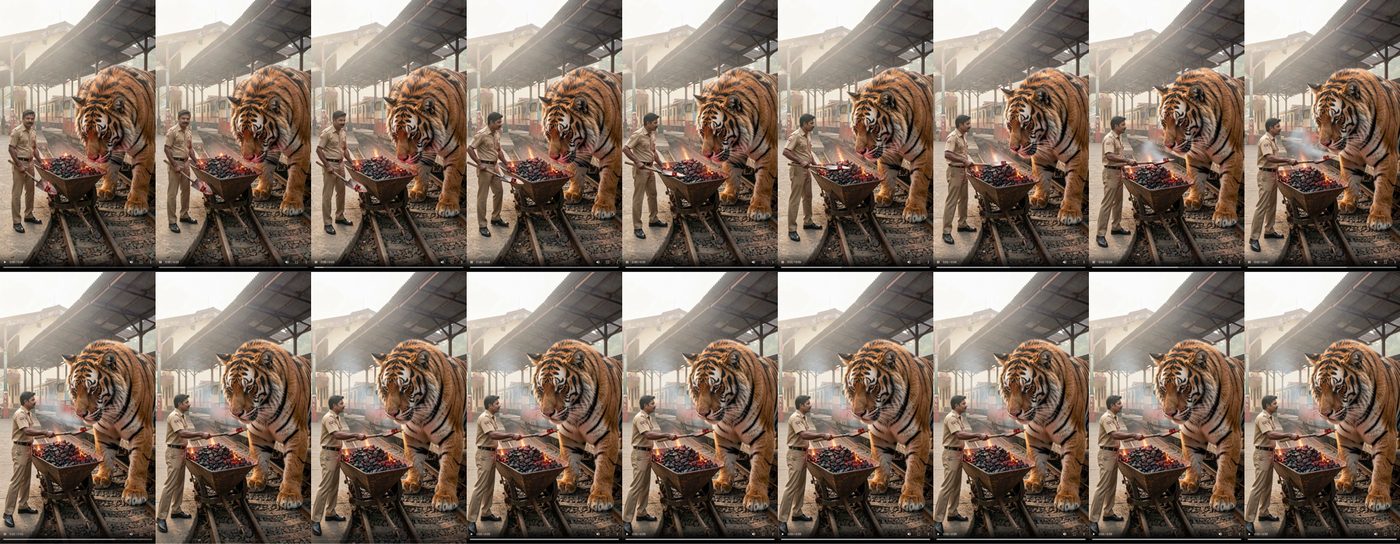
MiniMax H3, several shots in one clip, the second shot.
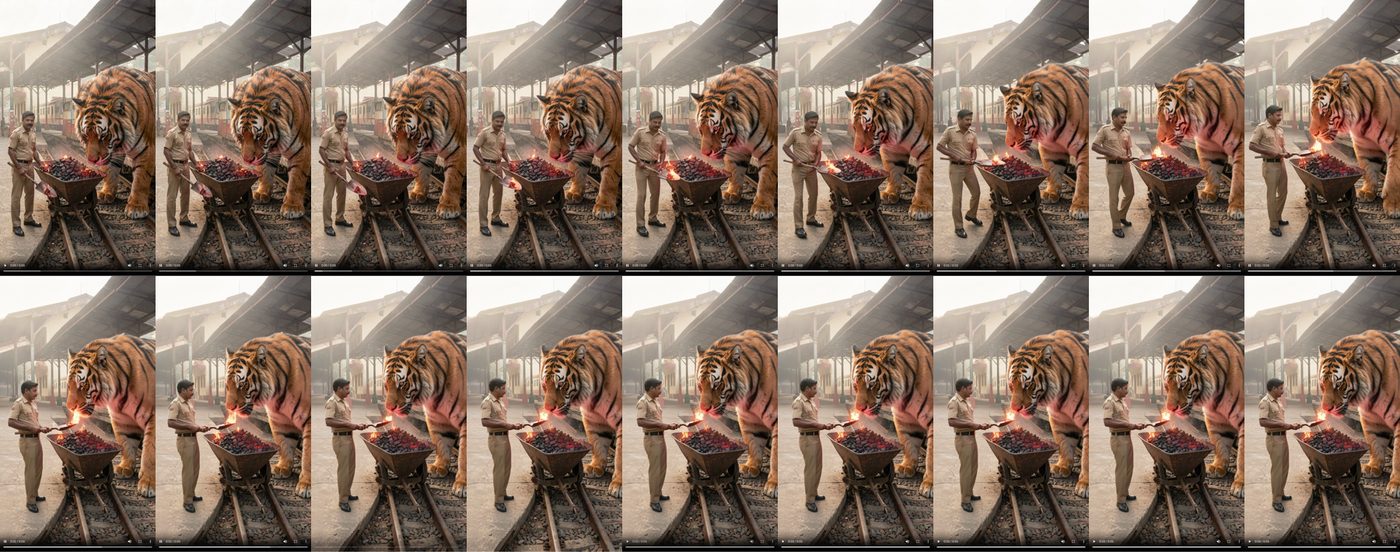
Wan 2.2, full number of steps, the second shot.
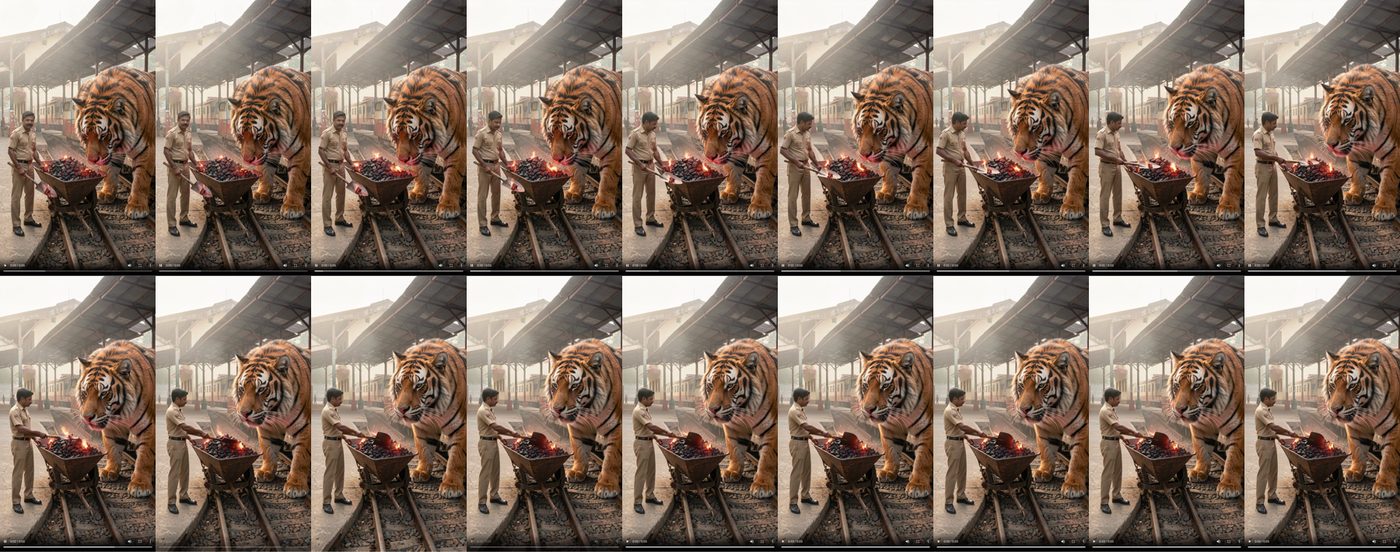
Wan 2.2, its own prompt style, the second shot.
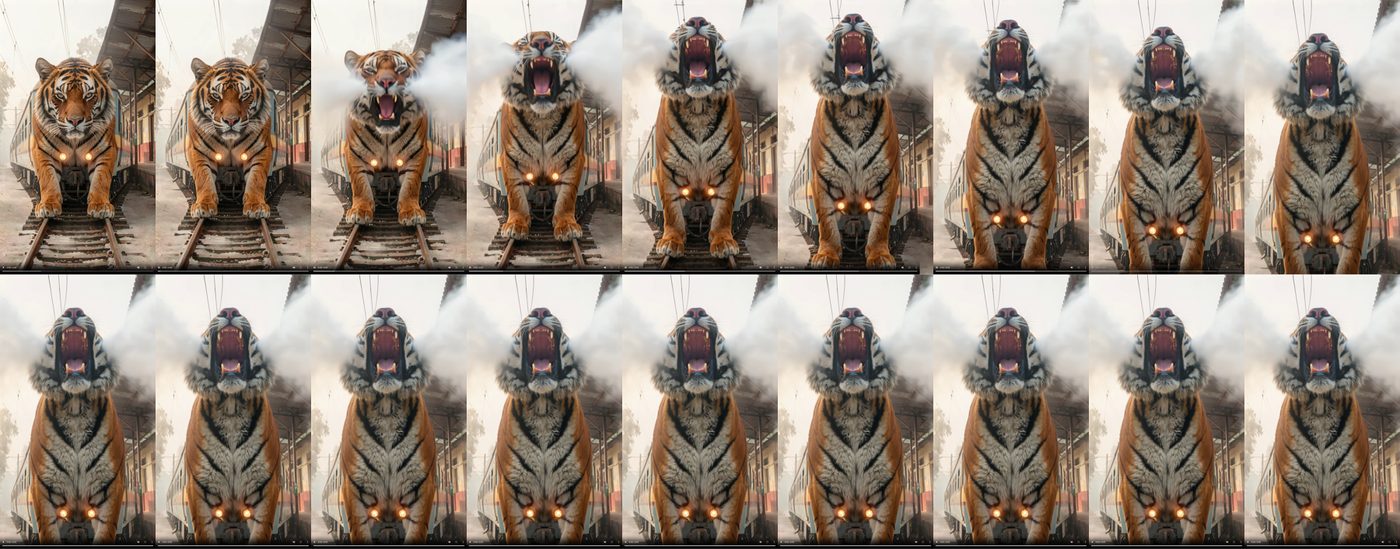
LTX 2.5, the sharper draw in stages, the third shot.
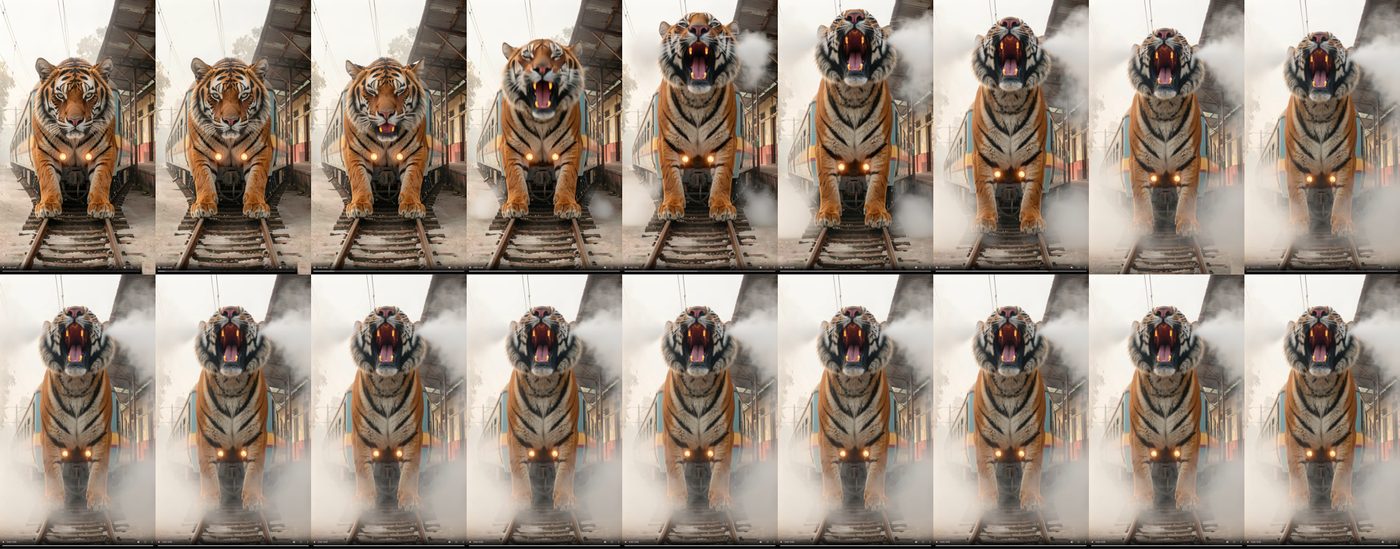
LTX 2.5, its own prompt style, the third shot.
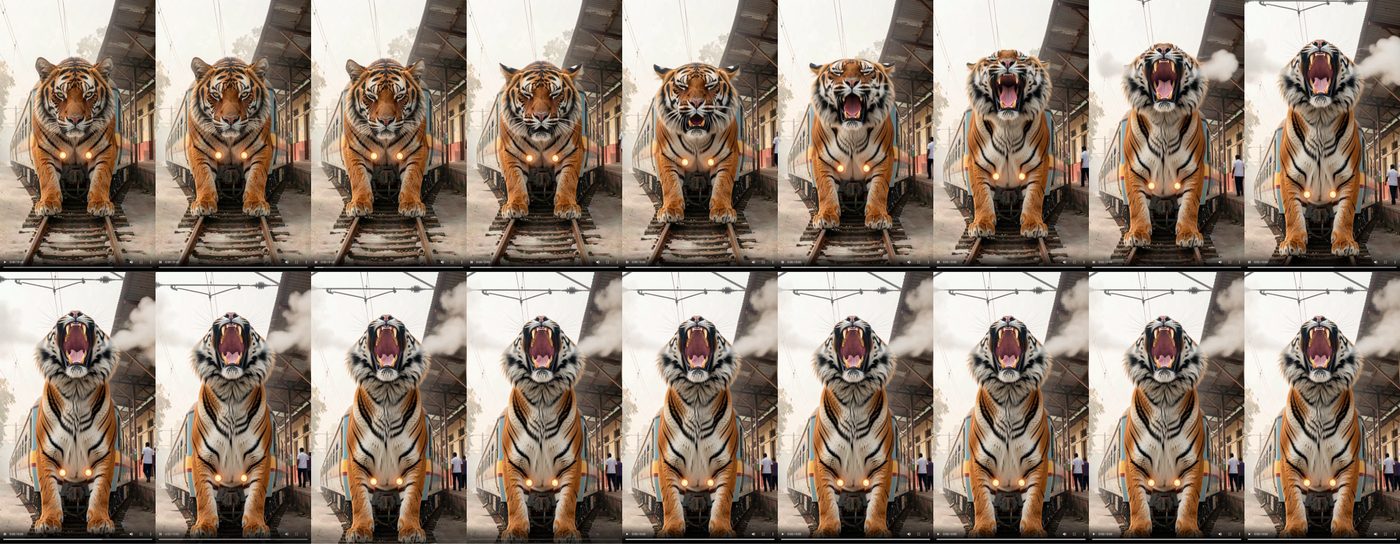
MiniMax H3, more steps, the third shot.
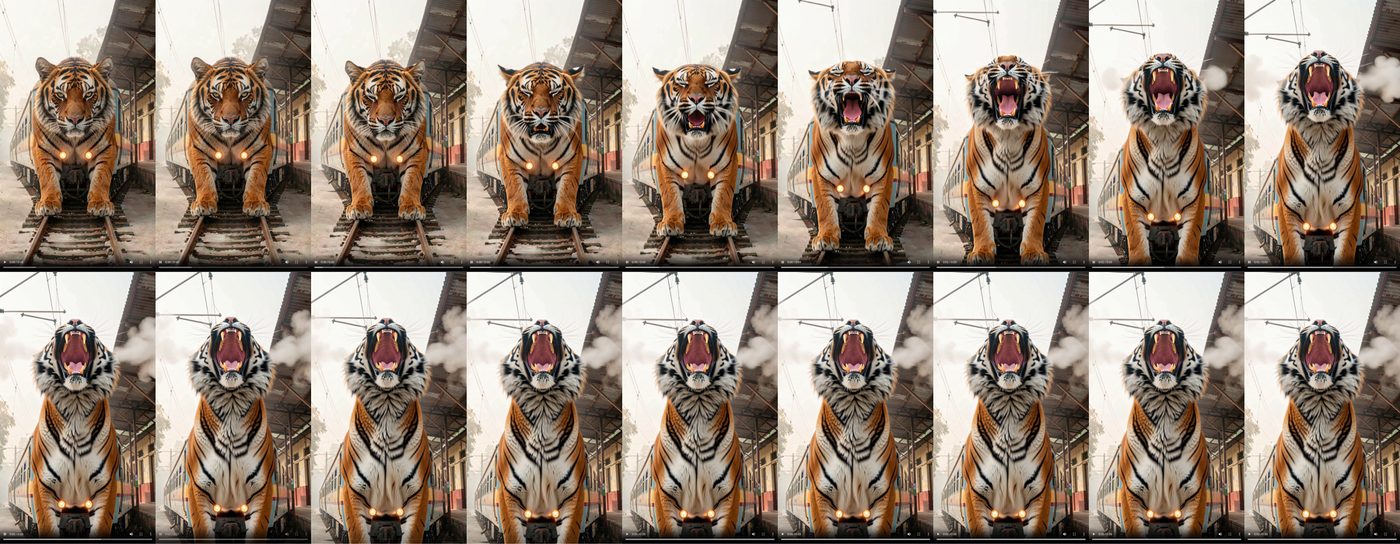
MiniMax H3, several shots in one clip, the third shot.
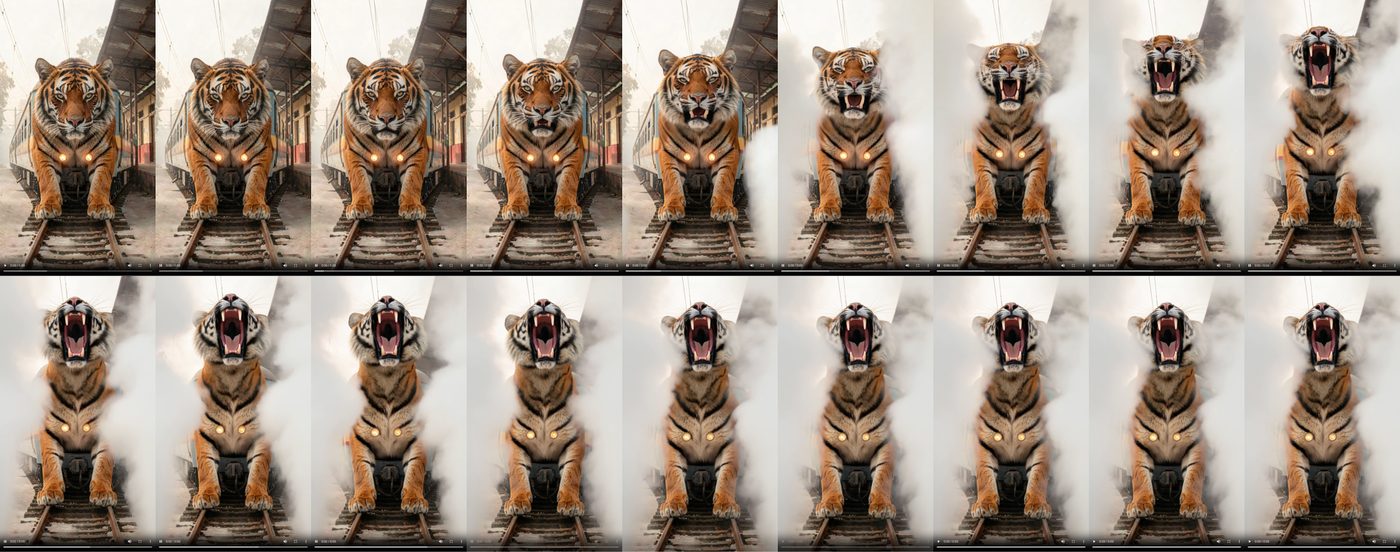
Wan 2.2, full number of steps, the third shot.
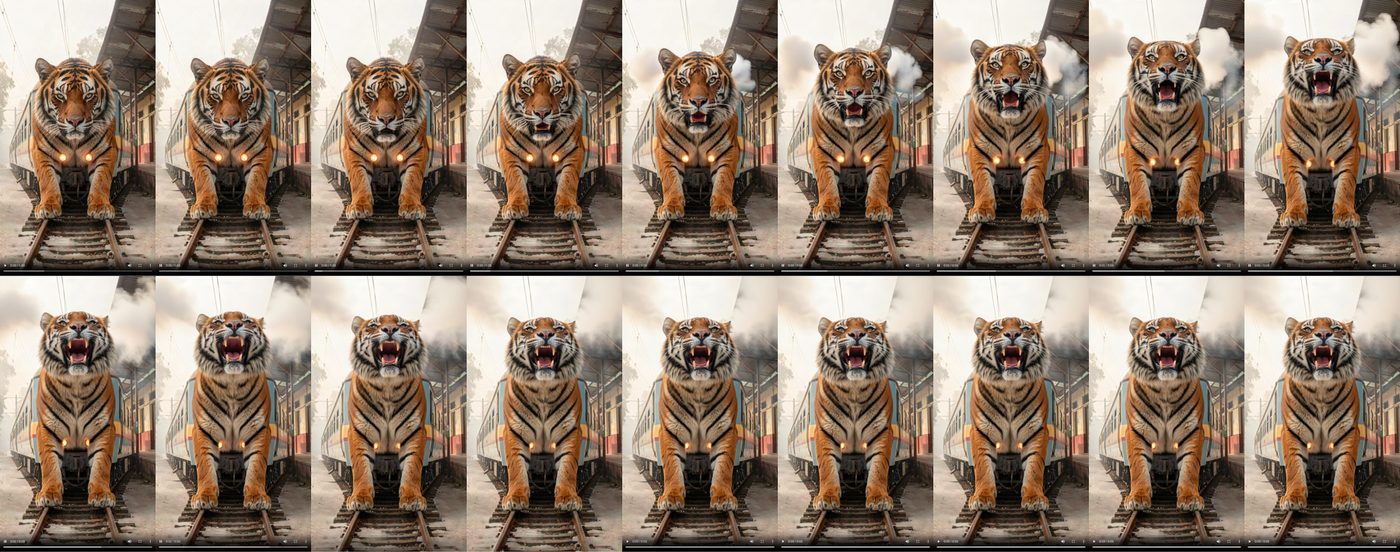
Wan 2.2, its own prompt style, the third shot.
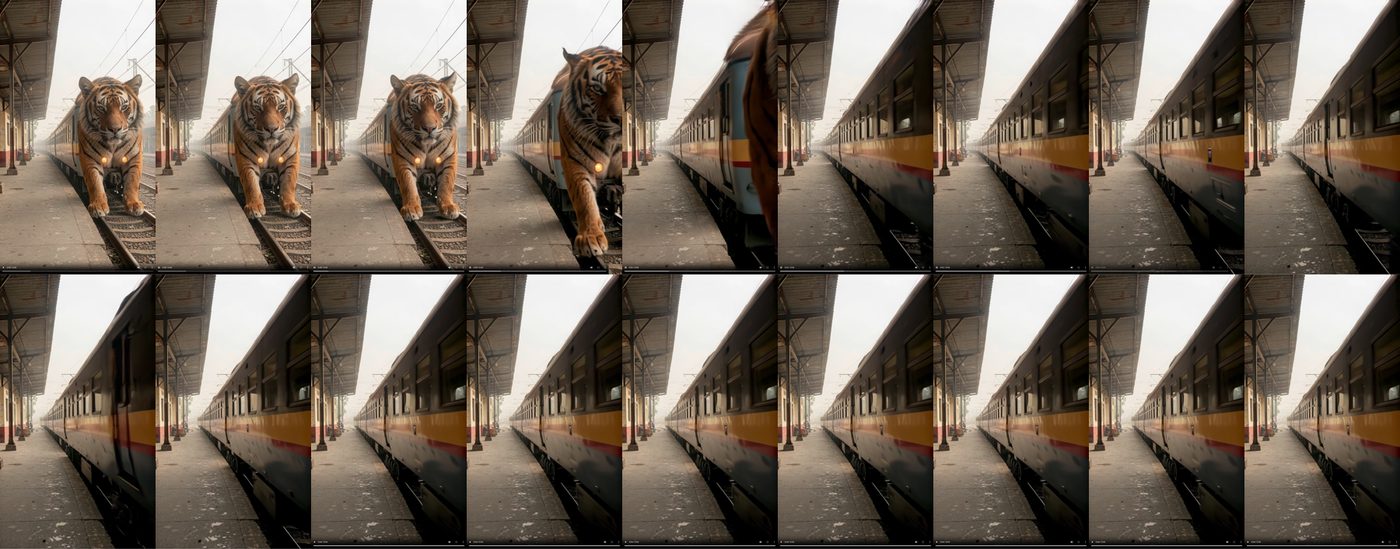
LTX 2.5, the sharper draw in stages, the fourth shot.
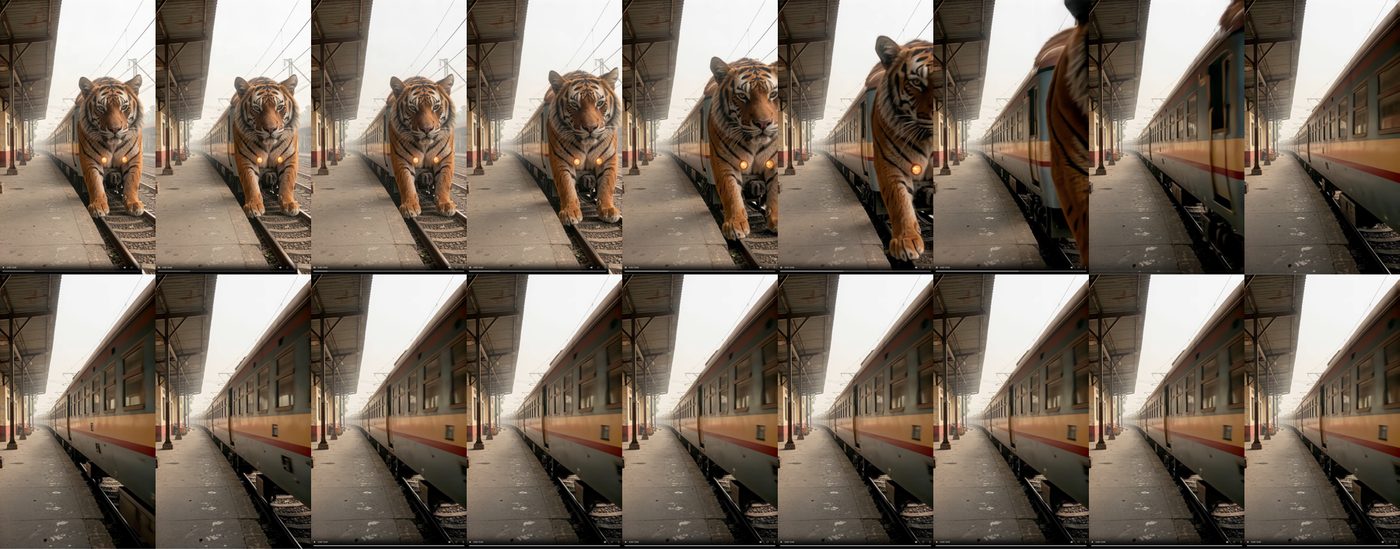
LTX 2.5, its own prompt style, the fourth shot.
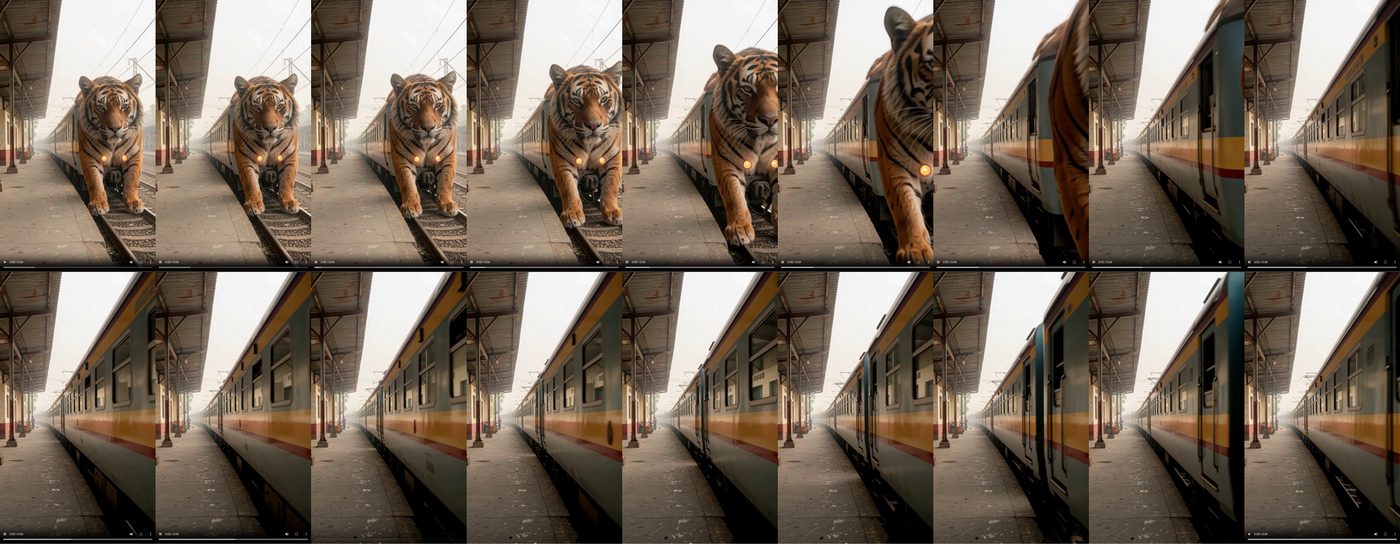
MiniMax H3, more steps, the fourth shot.
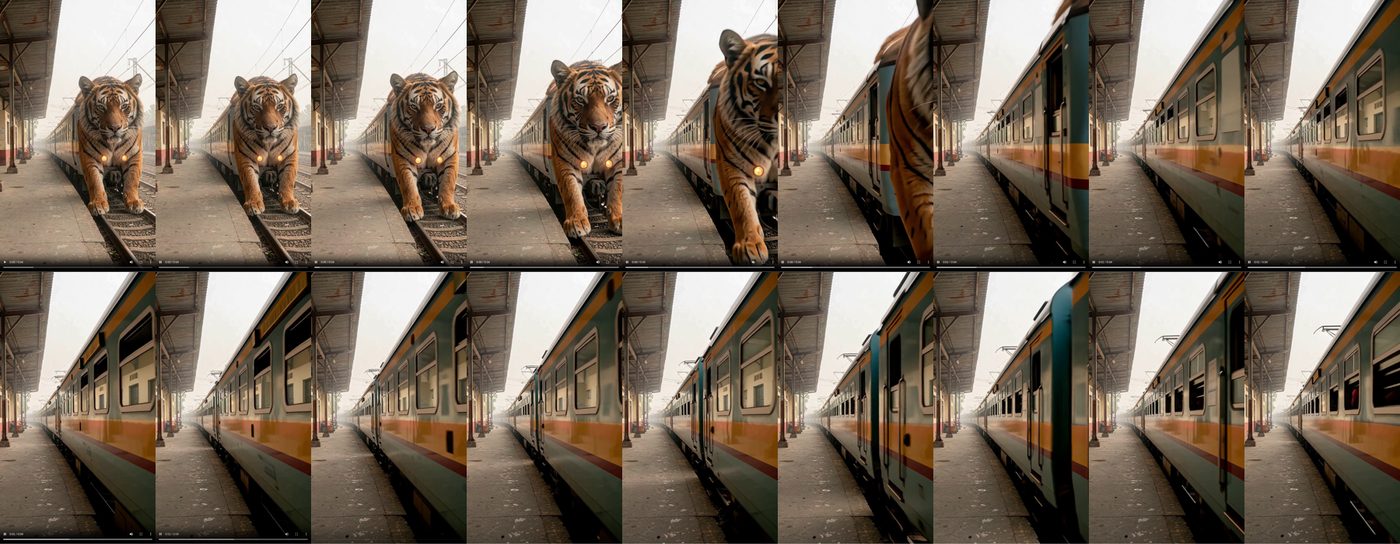
MiniMax H3, several shots in one clip, the fourth shot.
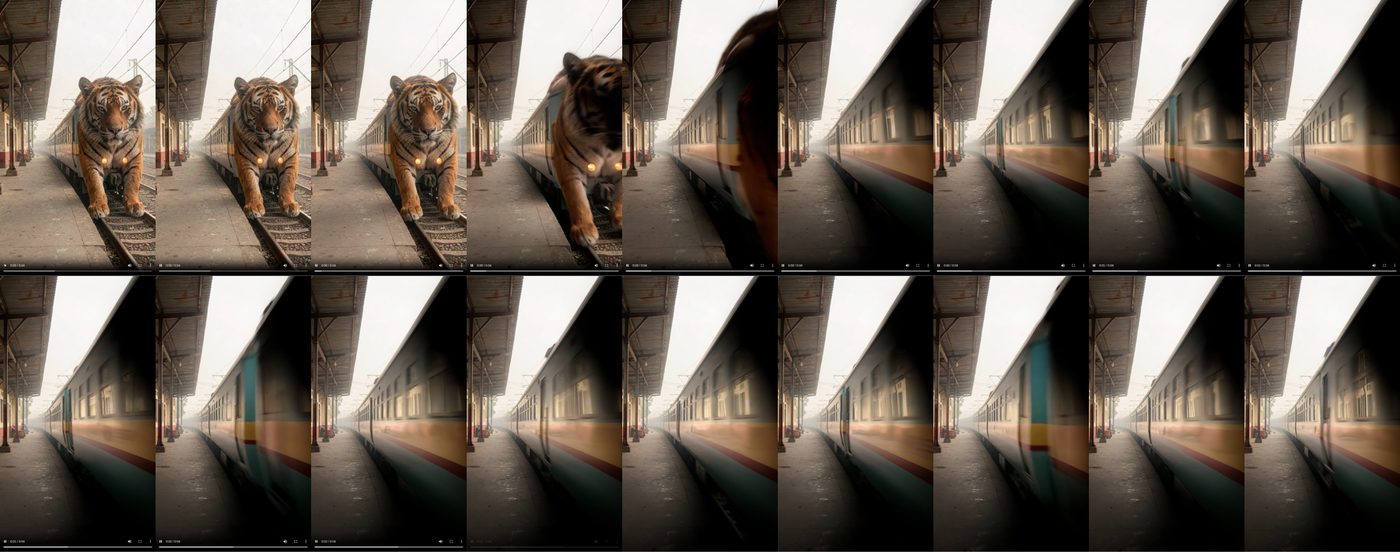
Wan 2.2, full number of steps, the fourth shot.
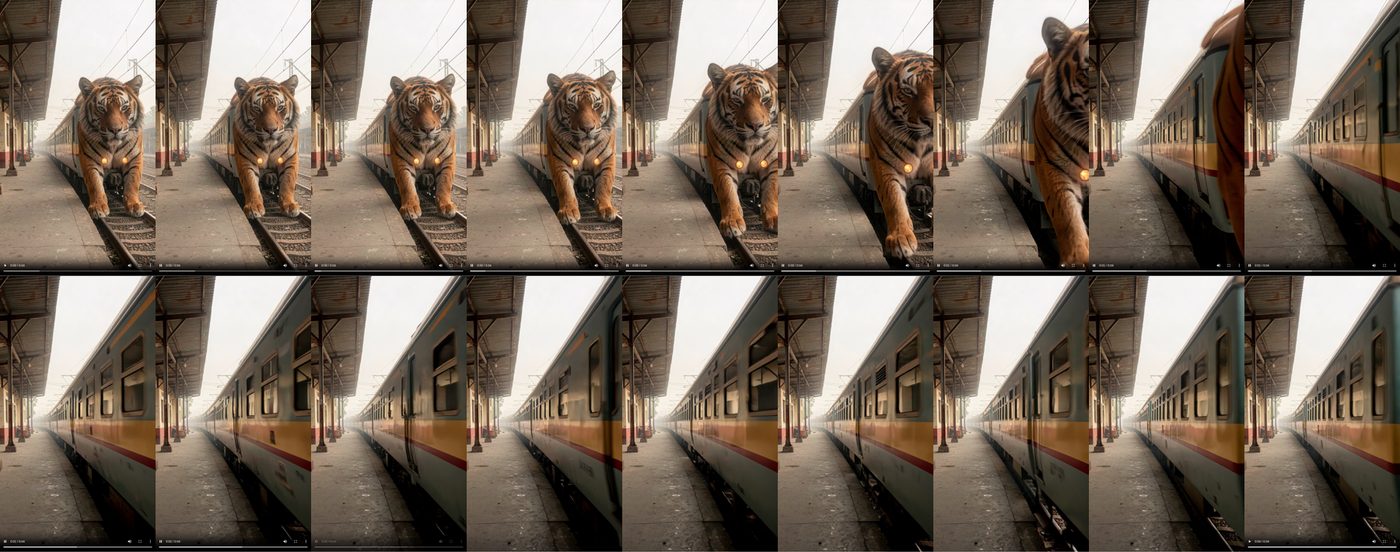
Wan 2.2, its own prompt style, the fourth shot.
| What we changed | Score of the whole film |
|---|---|
| LTX, a sharper draw in stages | 25 |
| LTX, its own prompt style | 25 |
| MiniMax, more steps | 27 |
| MiniMax, several shots in one clip | 27 |
| Wan, the full number of steps | 23 |
| Wan, its own prompt style | 27 |
Did a second film agree?
We ran the same models on a second film, with people in a courtyard and no words. The order changed. MiniMax led on the shots all of the models had been graded on, then Wan, then LTX.
LTX was last on both films.
| Model | First pictures (points) | Redrawn pictures (points) | Second film (points) |
|---|---|---|---|
| Wan 2.2 | 23 | 28 | 28 |
| MiniMax H3 | 26 | 27 | 30 |
| LTX 2.5 | 18 | 25 | 25 |
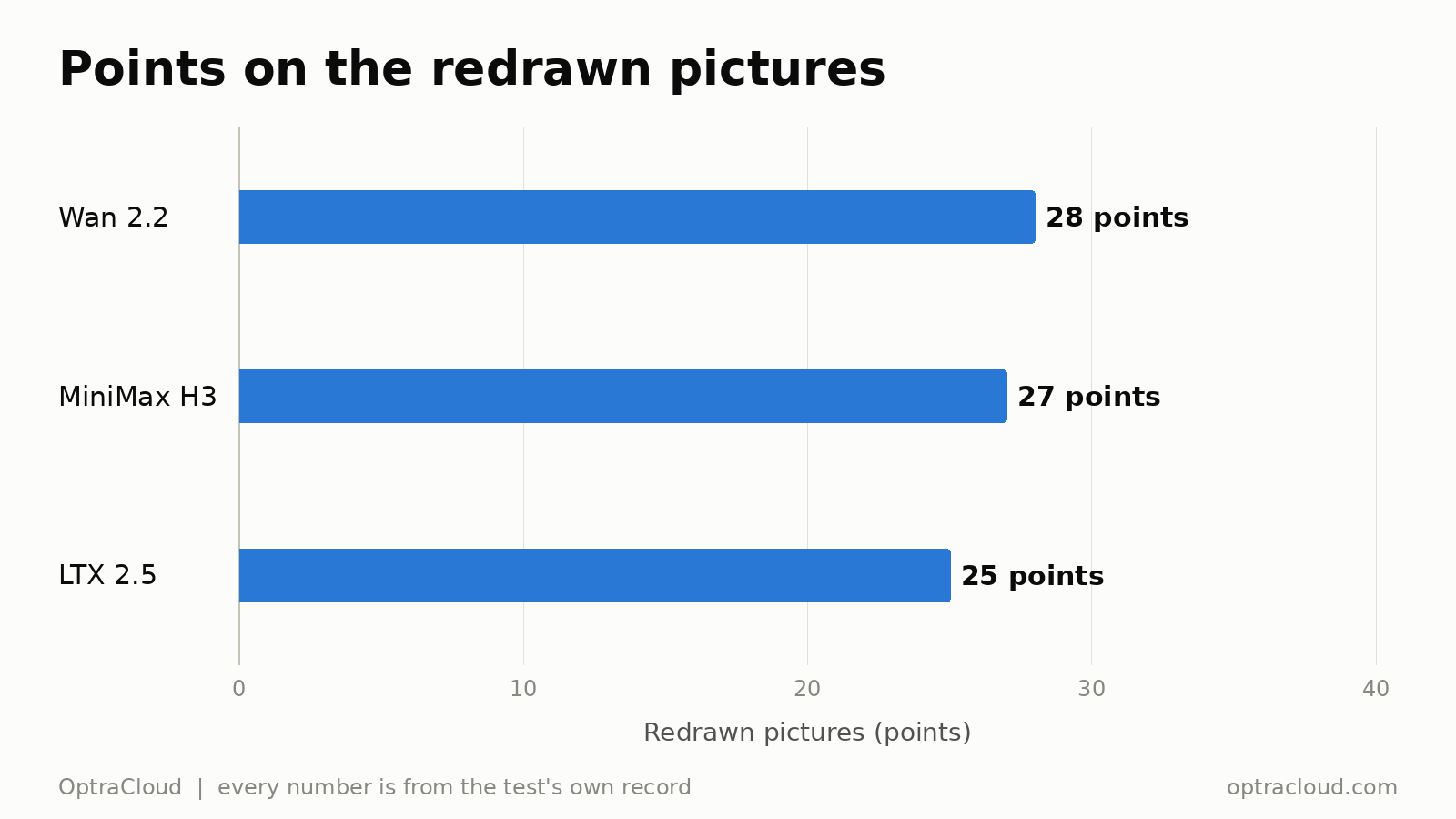
Points on the redrawn pictures
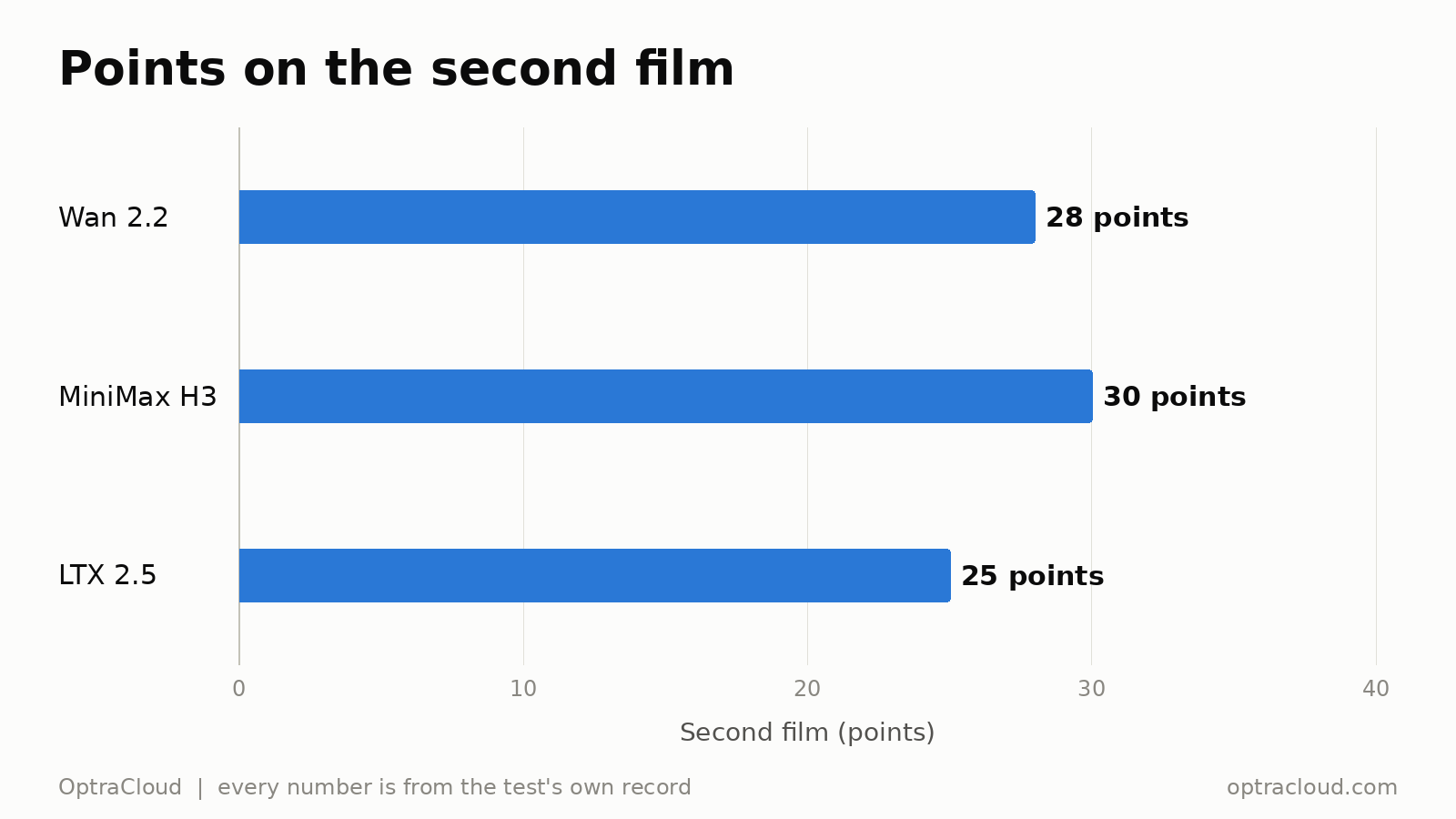
Points on the second film
To share. Pictures of these numbers, made from the same record and sized for a phone:
What went wrong in the clips?
The faults were different for each model. In one shot, the ears of the tiger turned into black horns, in both Wan and MiniMax. In the same shot, MiniMax and LTX let the background swing, while Wan held the camera steady.
On the second film, MiniMax followed the action best, but it put hard cuts inside single clips. Wan had no cuts, but its camera orbited and it missed some of the action.
Are these the original clips?
Yes, apart from the size and the sound. The test film was retired afterwards, but its clips were kept. We shrank each clip to a size a web page can play and removed its sound. The pictures were not edited.
What did we not measure?
One grader marked every clip, and every clip came from the same random seed. The films were short. We did not hear any sound. On the second film, MiniMax had no clip for one shot, so we compare only the shots all of the models share.
A gap of a mark or so on a test this small is a tie. It is not a ranking.
What does this mean?
Check your starting pictures before you judge a video model. Here, redrawing the pictures moved the scores more than switching models did.
Treat close scores on a small test as a tie, and say what you could not hear. We have no winner, and we kept every model.
Quick Search Our Blogs
Type in keywords and get instant access to related blog posts.


