
Measured on 2026-11-08.
Baseline and change. The baseline is The original clips of the two shots, as the film has them. A swap is judged against the clip it started from, so each original goes first, beside its result.
The changes set against it:
- The swap of the first shot (the close-up on the deck), 5 s
- The swap of the second shot (the man seen from behind), 5 s
- The two runs that ran out of memory straight after a good run
- The character-swap adapter on the first shot, 5 s
- The character-swap adapter on the second shot, 5 s
- Frames read, each result against the photo and the original (24 fps, every frame)
We asked a character-swap add-on and our build of Pika’s published template to put the woman of one photo into our shots of a man. A picture model found her in every frame of the add-on’s clips. It did not find her in Pika’s. The add-on did not keep the motion of the second shot, and nobody has compared the clips blind.
What did we want to know?
A post showed MiniMax H3 swapping the person in a video for the person in a photo, and keeping the background, the camera and the motion. We could not read that post’s own workflow. So we tried a recipe built from Pika’s own published template, and a character-swap add-on published by akatz-ai, run as its own example.
We ran each on our own shots of the same man, asking for the woman of one cast photo in his place, with the model’s own tags. We asked plain questions. Does the woman appear in every frame? Does the rest of the shot stay? How long does it take?
What is the baseline?
The baseline is the original clip of each shot, as the film has it. A swap is judged against the clip it started from, so each original goes first, beside its results.
How did we test it?
We used shots from our test film. One is a close-up on a ferry deck. The other shows the same man from behind, carrying cases. Each original clip was cut to its first five seconds and used as the reference video, with the same photo of a woman as the reference picture.
The words, the seed and the card were the same for both recipes: one RTX 5090 graphics card, clean for every run that counts. A seed is the number that starts a draw.
The recipes are different graphs with their own sampling settings, and they ran at different times. Each run of the add-on came after a fresh start of the drawing software.
What happened?
Every run that counts finished. Pika’s template took 314.153 and 303.159 seconds on the shots, as the drawing software counted them.
The add-on took 220.48 and 220.009 seconds. Each is one run, and the recipes are different graphs run at different times, so these seconds are not a speed comparison and we do not make one.
| Seconds | Peak memory, megabytes | |
|---|---|---|
| Pika’s template, the close-up on the deck | 314.153 | 27,958 |
| Pika’s template, the man seen from behind | 303.159 | 27,958 |
| The add-on, the close-up on the deck | 220.48 | 28,697 |
| The add-on, the man seen from behind | 220.009 | 24,964 |
Did Pika’s template put the woman in?
No. In the first shot, a picture model found the person in all 124 frames to be the original’s man and not the woman. The second shot is seen from behind, so the picture model could judge nothing there, and by eye the man is there.
So our build of the template reproduced the shots and did not replace the person.
Did the add-on put the woman in?
Yes, on both shots, as the picture model read them. In all 124 frames of each clip, it found the person to be the woman of the photo. In the first shot, it never found the original’s man.
In the second shot it found a person different from the original’s man in 122 frames, and for the rest it gave no answer. As far as several frames of each clip, looked at by eye, show, both clips keep the same ferry scene with the same cases.
But the add-on did not keep the second shot’s motion. In the original, the man walks away from the camera. In the swap, the woman walks toward it, facing us, and the first frame still shows the man, small, in the background behind her.
How far can we trust that reading?
The reader is a picture model, not a person. We read every frame of each clip with it, once against the photo and once against the same frame of the original. We checked it first on planted cases. It called the photo and its own crop the same. It called Pika’s first clip and the photo different in all 124 frames.
That is not a test on a fresh set it had not seen. And a face reader says nothing about the body or the motion, so judge the clips yourself. Nobody compared them blind.
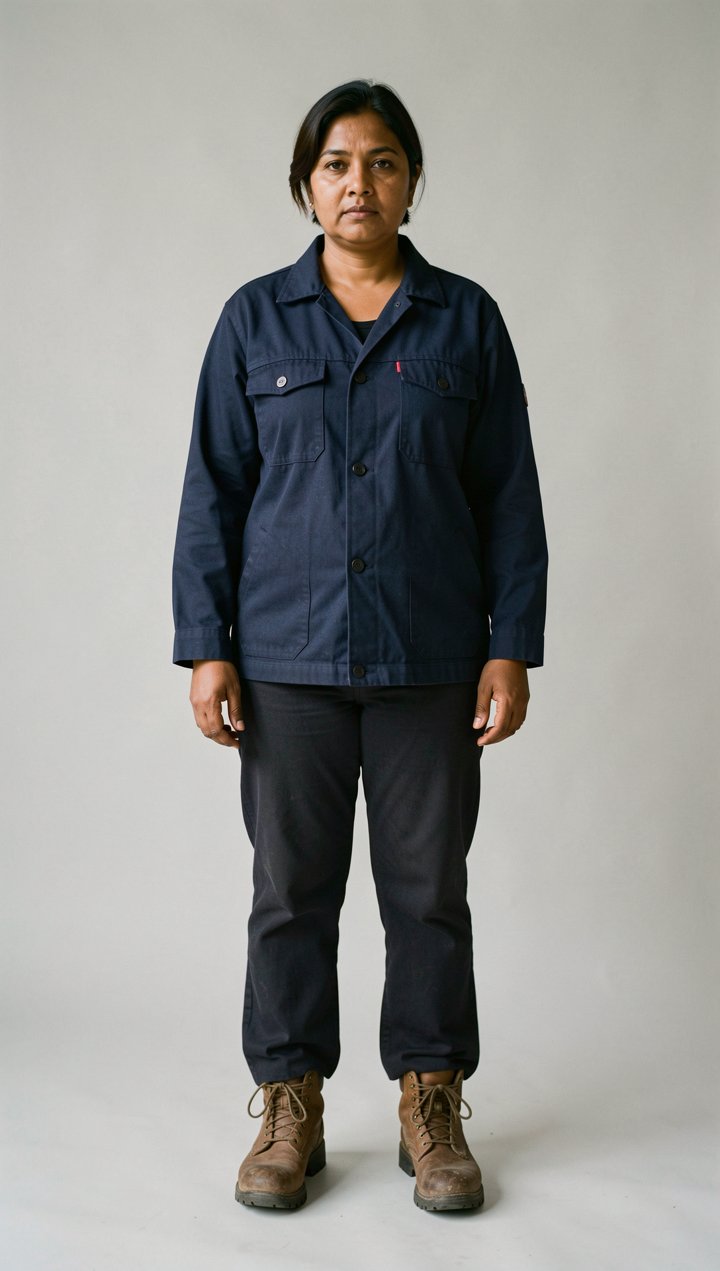
The photo the swaps were asked to put in.
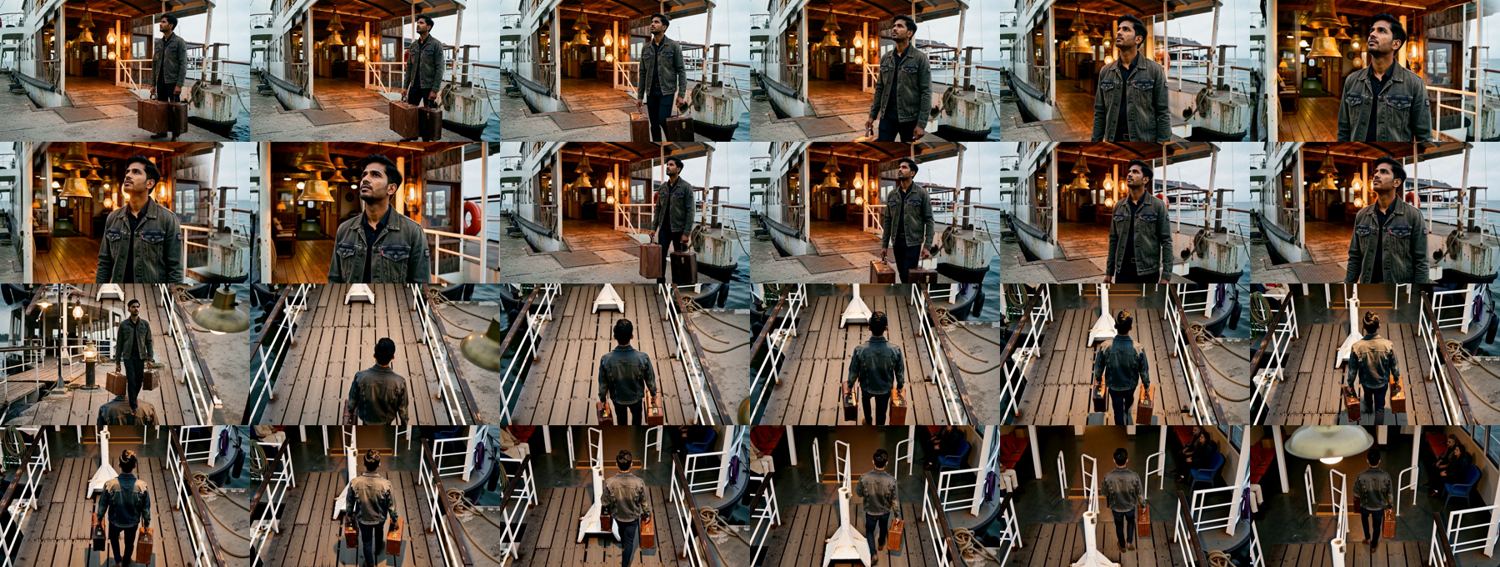
Frames from Pika’s template and its originals. The man stays.
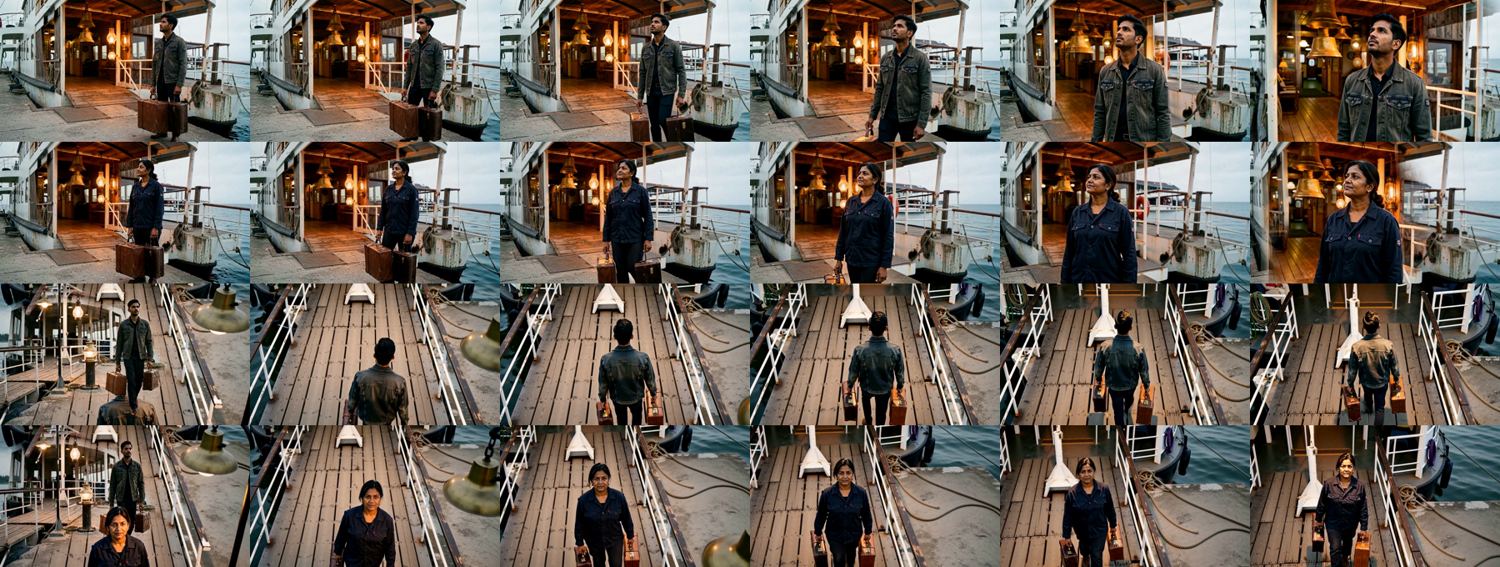
Frames from the add-on and the same originals. The woman is in both swaps.
The close-up on the deck
Baseline: The original clips of the two shots, as the film has them
Change: The swap of the first shot (the close-up on the deck), 5 s
Change: The character-swap adapter on the first shot, 5 s
Pika’s template shows the original shot again. The add-on puts the woman of the photo in.
The man seen from behind
Baseline: The original clips of the two shots, as the film has them
Change: The swap of the second shot (the man seen from behind), 5 s
Change: The character-swap adapter on the second shot, 5 s
Pika’s template shows the same man on the deck. The add-on shows the woman walking toward the camera, with the man small behind her in the first frame.
What else ran, and what went wrong?
A third shot, and the add-on’s first try, ran out of memory. Each came straight after a good run on the same card, before the card was cleared between runs. The add-on’s own runs, started clean, finished.
The first of the failed runs had 29.48 GiB already in use and asked for 603.32 MiB more. A GiB is a unit a little larger than a gigabyte, and a MiB a little larger than a megabyte. The second had 29.41 GiB in use.
So we do not read these as faults of the models.
What can we not say?
We cannot say that Pika’s template works or swaps a person: in these clips it did not. We cannot say Pika’s post is wrong, because we built from Pika’s published template and never read the post’s own workflow.
We cannot say the add-on keeps the shot’s motion: in the second shot it did not. We cannot say it is better or faster than Pika’s recipe in general. The shots are few, the photo is one and the seed is one. The recipes are different graphs with different sampling.
We cannot say what the picture model says about the second clip of Pika’s template: it saw no face from behind and judged nothing there. And we cannot say the out-of-memory runs are the models’ fault.
What is still open?
Whether people judge the add-on’s swap a good one: nobody compared the clips blind, and a face reader says nothing about the body or the motion. Whether Pika’s own workflow, which we never read, swaps the person: our clips are only our build of its template. And the third shot with the add-on: it was not run clean.
Who made what?
The first recipe comes from Pika’s own published template for MiniMax H3. The second is a character-swap add-on published by akatz-ai, which we ran as its own example. We are grateful for both, and for the post that made us try them.
What does this mean?
On our own shots, with one photo and one seed, the add-on put the woman in on both shots, as a picture model read every frame. It kept the scene, but not the motion of the second shot. Our build of Pika’s template put no woman in.
That does not make one recipe better in general. Whether people judge the add-on’s swap a good one waits for a blind comparison.
Quick Search Our Blogs
Type in keywords and get instant access to related blog posts.