
Measured on 2026-11-08.
Baseline and change. The baseline is The original clip of the shot, as the film has it. A swap is judged against the clip it started from, so the original goes first, beside the result.
The changes set against it:
- The swap, 5 s drawn, from Pika's published template (MiniMax H3 reference to video with a video reference)
- The first try, 8 s drawn: it ran out of memory
We ran a person-swap recipe once on one RTX 5090. The first try ran out of memory. The second finished, and we give its time and memory. Our words named the references with the wrong tags, so this run says what the recipe costs and nothing about what it does to a shot.
What did we want to know?
A post showed MiniMax H3 swapping the person in a video for the person in one photo, and keeping the background, the camera and the sound. We could not read that post’s own workflow, so we built the recipe from Pika’s own published template.
We asked plain questions. Does it run on one RTX 5090 graphics card? How long does a clip take, and how much memory? And what does it do to a shot of ours that already shows the person in the photo?
What is the baseline?
The baseline is the original clip of the shot, as the film has it. A swap is judged against the clip it started from, so the original goes first, beside the result.
How did we test it?
We used one clip, a shot of our test film, as the reference video, and one photo of a man as the reference picture. We used the same words and the same seed both times.
The clip already showed the man in the photo, so this test swapped him for himself. That matters for everything below.
What went wrong with our words?
Our words named the references @Video1 and @Image1, which is the form in Pika’s own README. The template we ran in ComfyUI and the model’s own guide use <Video 1> and <Picture 1>.
So the run may simply not have tied the reference video and the photo to the words. We found this after the run. It is why we draw no conclusion about what the recipe does to a shot.
What happened?
The first try asked for 8 seconds of video, and it ran out of memory.
The card had 31.36 GiB, a unit a little larger than a gigabyte. The software had already allocated 27.23 and asked for 3.36 more.
The second try asked for 5 seconds, and it finished. The drawing software reported 349.7 seconds for the run, which is 69.94 seconds of card time for each second of video.
The card’s memory peaked at 28,513 megabytes, nearly all of it. This is one run, so the seconds are one number, not a typical time.
| The second try, which finished | |
|---|---|
| Seconds of video asked for | 5 |
| Seconds the drawing software reported | 349.7 |
| Seconds of card time for each second of video | 69.94 |
| Peak memory, megabytes | 28,513 |
What does the clip show?
Here is the original clip, and the clip the run drew. We show both because you can judge them yourself, but we draw no conclusion from them.
The run’s words named the references with the wrong tags. What the new clip shows may be the result of that, and it is not a verdict on the recipe.
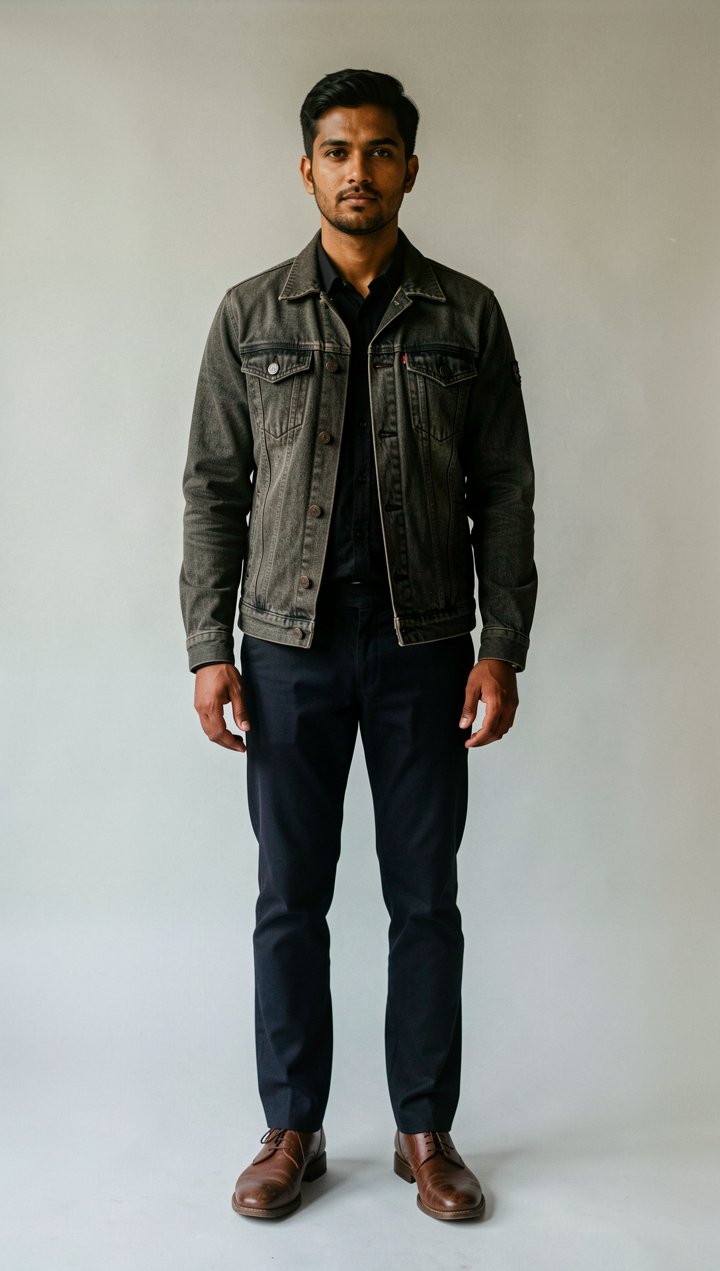
The photo the run was asked to put in. It is the same man the original clip shows.
The shot, before and after
Baseline: The original clip of the shot, as the film has it
Change: The swap, 5 s drawn, from Pika's published template (MiniMax H3 reference to video with a video reference)
The new clip came from a run whose words used the wrong tags, so it says nothing about what the recipe does to a shot.
What can we not say?
We cannot say what the recipe does to a shot. Our words used the wrong tags for the references, so the run may not have used them at all.
We cannot say it swaps a person, because this test swapped no one: the photo and the clip showed the same man. We have no time and no clip for the longer try, because it ran out of memory. We say nothing from the post’s own workflow, which we never read.
What comes next?
We will run it again with the right tags. A real swap needs a different person in the photo. So we plan a few real swaps, of a man to a woman and a woman to a man, as a test of their own.
Who made what?
The recipe comes from Pika’s own published template for MiniMax H3. We are grateful for it, and for the post that made us try it.
What does this mean?
The recipe ran on one RTX 5090, for a clip of 5 seconds, and it needed nearly all of the card’s memory.
That is all this run shows. What the recipe does to a shot waits for a run with the right tags.
Quick Search Our Blogs
Type in keywords and get instant access to related blog posts.

