
We make an animated series with AI, and nobody signs off a picture before it goes into an episode. One model draws it. A second model looks at it and decides whether it is good enough to animate. If that second model lets a mistake through, the mistake is in the episode. If it complains about a good picture, we draw the picture again for nothing.
For a while two different models did that looking, and they kept disagreeing about the same pictures. When two judges disagree you cannot tell which one to believe. So we put ten models through one test, on our own pictures, to see which of them does the job best. This is the record of that test as it stands. It is written for people who make video, and the pictures we tested are in it.
How an episode gets made
Here is the line a picture travels before it reaches an episode. Each step is made by a model, and beside each step is the check that has to pass before the next one may start. The model this post is about is the one doing the looking in those checks.
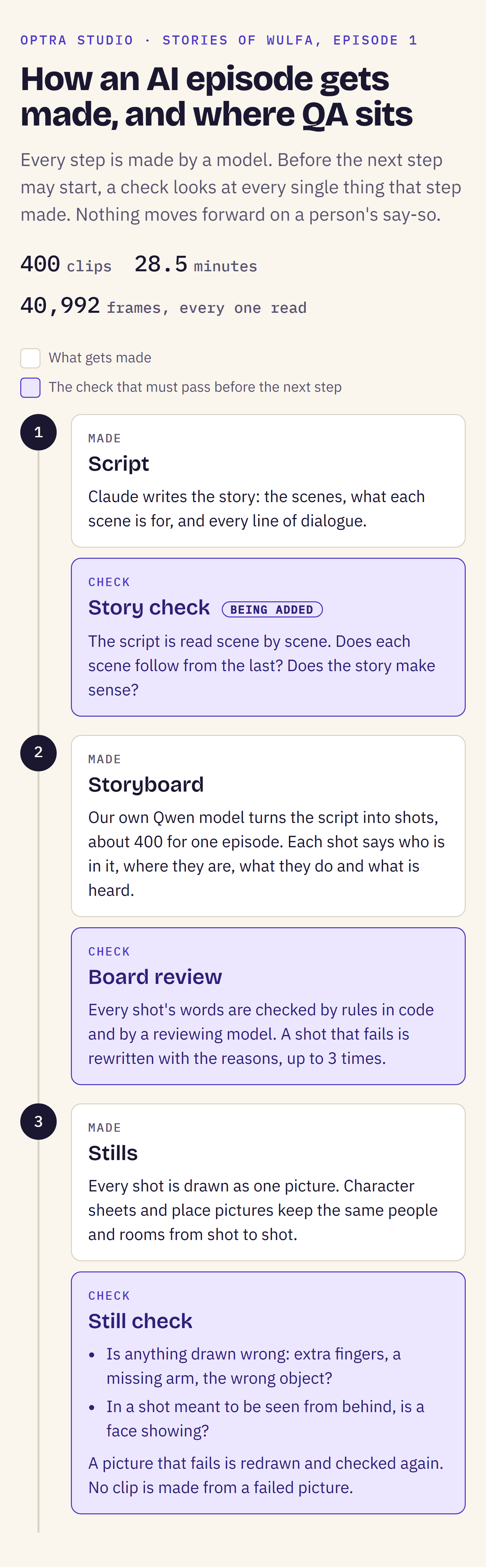
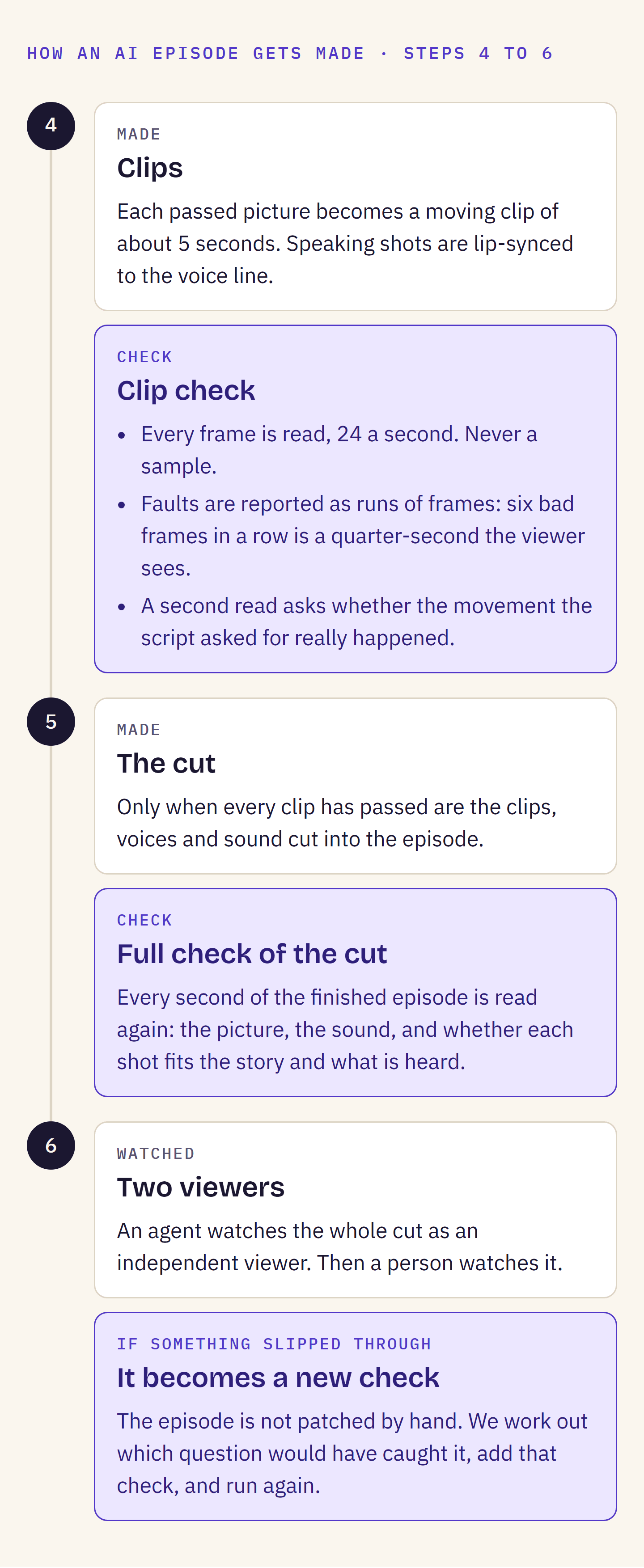
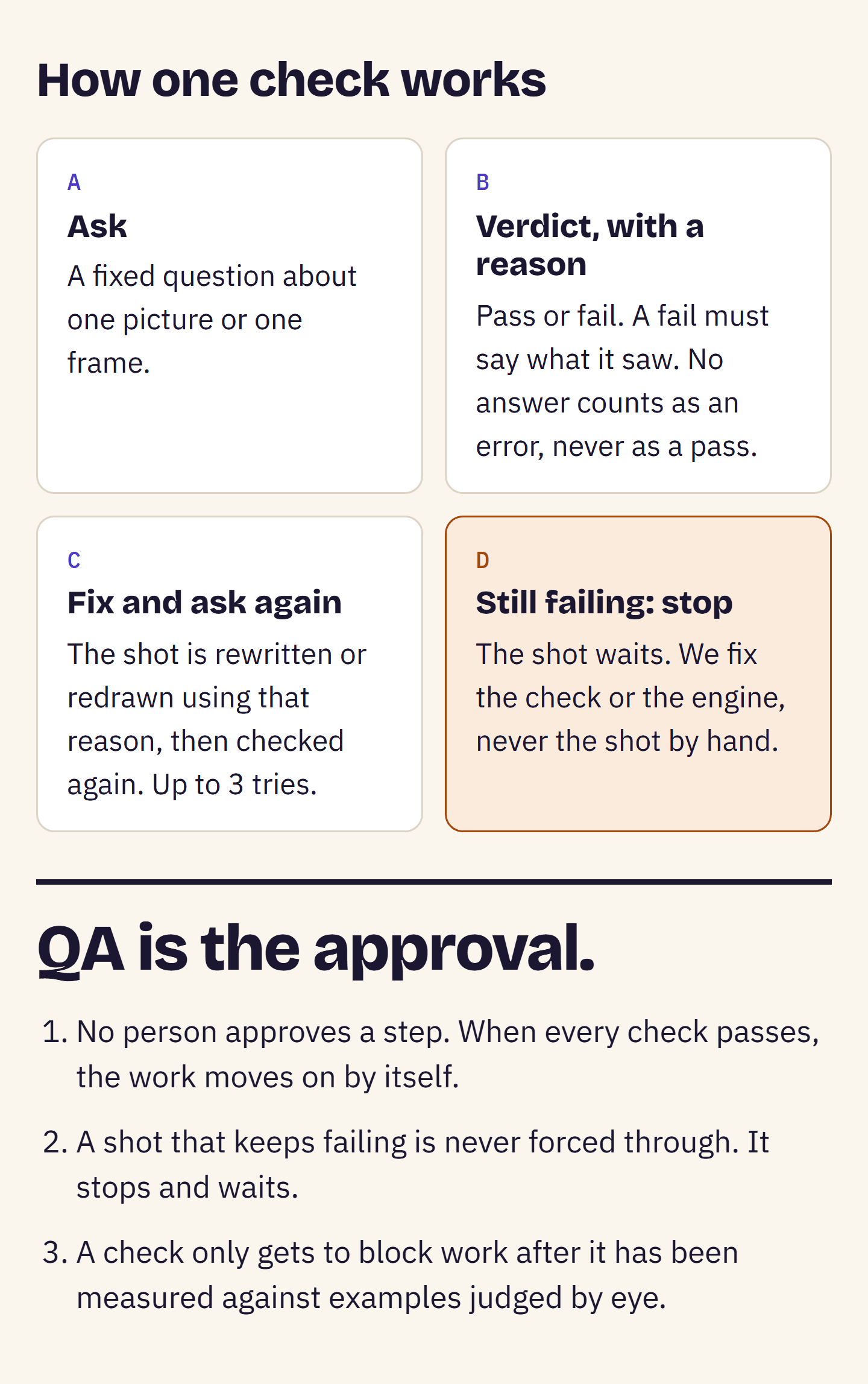
Why we needed to choose
An episode is hundreds of shots, and a shot is often drawn several times, each drawing a take, before one comes out right. That is thousands of pictures an episode, and image models make exactly the mistakes a viewer notices at once: an extra hand, the same person standing in two places, a face in a shot that was meant to show someone only from behind. No person can look at all of them. A vision model can: it is an AI that takes a picture and a question and answers in words.
The two we had been using were a small one, Qwen3-VL-8B, and a large one, Qwen3.8-27B. We wanted one. It also has to fit our hardware, because a model must sit whole inside the memory of the graphics card that runs it: the card that does our checking today has 24 GB, the ones we are adding have 32 GB each, and we would like it to run on 16 GB cards too. The large model does not sit well in 16 GB. We went in hoping to find something smaller that checks as well.
Two things in a model’s name matter here. The number before the B is how many billion parameters it has, which is roughly how much it can hold of what it was trained on; a bigger model usually notices more and answers more slowly. And 4-bit or 8-bit says how hard the model was compressed to save memory, a little like saving a photo as a smaller file.
What we tested
The pictures are our own. They are stills our image model drew while we were making real shows: most come from Stories of Wulfa, an animated series, across fifteen of its episodes, and the rest from a short film called Flat Nine and from one short reel. None of them was made for a test. Each was kept because, at some point in the work, it had been looked at closely and judged right or wrong.
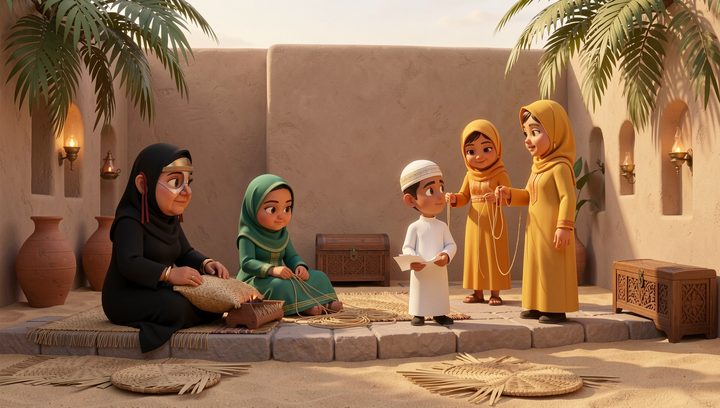
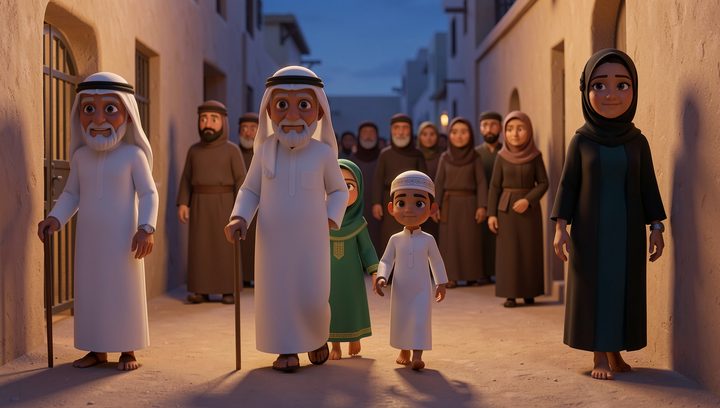
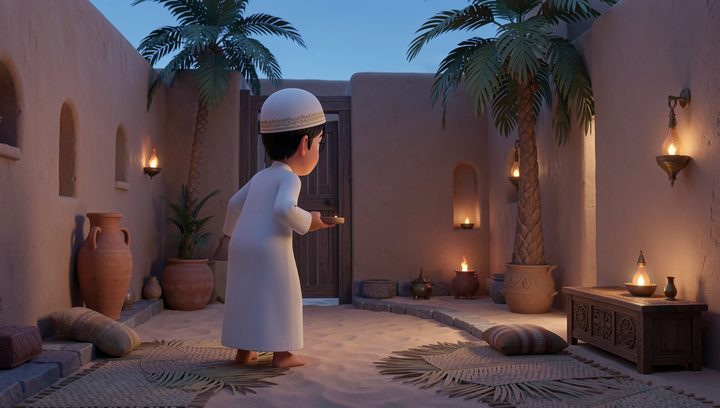
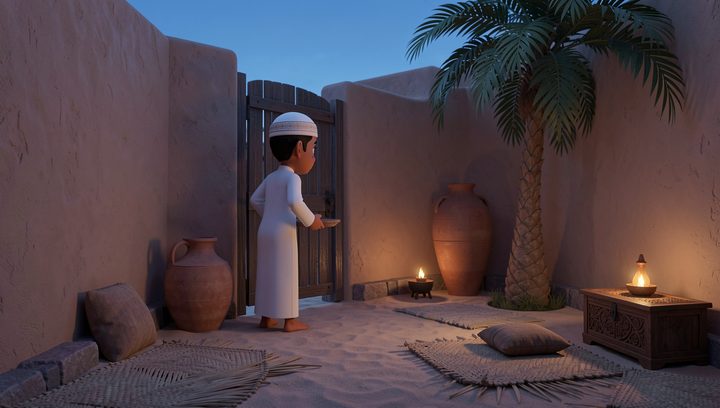
There are 1,862 pictures. One picture can be asked more than one thing, such as whether the right number of people are in it and whether a face is showing that the shot keeps hidden, so what we count is a picture together with one question about it. We call that a case, and there are 2,392.
The questions come in four kinds.
| Kind of question | What it covers | Cases | With a real mistake, of those asked |
|---|---|---|---|
| Is something drawn wrong? | the number of people, props, hands and parts; the same person or object drawn twice; a body that could not exist | 768, of which 763 were asked | 302 |
| Does the picture make sense in the story? | the right place and the right period; what has to carry over from the shot before | 378, of which 65 were asked | 42 |
| Is a face showing that the shot keeps hidden? | a person the shot shows only from behind, or only as hands | 413, of which 152 were asked | 44 |
| Does it match every word of the shot's description? | which hand holds a thing, which side of the frame someone is on, the exact colour of a dress | 810, of which 531 were asked | 251 |
The face question is put only to shots that claim a hidden face, which is why 152 of its 413 cases were asked. And only the first three kinds count towards a model’s score. We still ask the fourth and show its results, but we no longer let it count for anything: a picture can differ from its description in ways no viewer would ever mind, and a checker that sends those back wastes more than it saves.
Some cases of the two other kinds that count were not asked either: 313 of the cases about the story and 5 of the cases about something drawn wrong. Each of them has a question of its own, about one thing in that one picture, and the models were never put that question, so nothing they said can be scored against it.
The four rows do not add up to 2,392, and the gap is 23 cases the answer key sets aside. They are about a moving clip or a script, or their right answer was never settled, so no model was scored on them.
That leaves 980 cases that count. In 388 of them the picture really has something wrong with it, which is 40 in every hundred. Hold on to that figure. It means a checker that never looked, and simply complained about every picture, would be right 40 times in a hundred.
Who decided what the right answer was
Every case needs a right answer, and somebody has to supply it. In our studio the producers who run a show from day to day are AI agents, each working through the same dashboard a human producer would use. For about two weeks, from 25 September to 10 October, one of their jobs was this: when a check passed or failed a picture, look at the picture closely, zoomed in, decide whether the check had been right, and write down the verdict with the reason for it. Each of those became a kept case.
On 10 October at 20:24, before the first of the ten models had been asked anything, that collection was frozen as the answer key. Nobody could move an answer after seeing a result.
Our director did two things on top of that. He set the standard for the hardest question, what counts as a face showing on someone seen from behind: an eye, the nose, the mouth or the chin counts, and an ear, hair or the curve of a cheek does not. The older face cases were read again under it. And he ruled on eleven takes himself; his rulings are shown and scored on their own further down.
There is a weakness in this, and it is better said than hidden. An answer key kept by an AI is itself a judgement. The agents that kept it are a different model from any of the ten, they looked more slowly and more closely than a checker can afford to, and they had to give a reason every time. They can still be wrong, and where they are, a model that disagreed with them was marked down for being right. The key also has gaps: while choosing the pictures to show in this post we set one aside because it has a plainly visible mistake that the key holds no case for. That is one reason the director’s own pictures get a column to themselves, and it is why his own review of every shot comes before any of this is called a result.
One of the AI agents that run our shows opens a picture a check has just passed or failed, and zooms in.
Right or wrong, with the reason. That is a kept case.
2,392 cases, on 10 October at 20:24, before any model in the test was asked.
He set the standard for a hidden face and ruled on eleven takes himself. His rulings are scored apart.
How a model was asked
Every model got the same pictures and the same questions, in the same words, and its answers were read by the same code. A case is not answered in one breath. For each one the model is asked several small questions (how many people it sees, whether there is any writing in the picture, whether the picture matches the shot) and the verdict is read out of its answers. One pass through the whole test is at least 9,125 of those small questions. Each small question had the same short room for its answer; where a model wrote past it, the answer was cut off and not kept, and the tables in this post say “(cut off)” in its place.
The model is shown the still and what the shot was meant to show.
Worded the same way each time. No model gets an easier version.
A count, a yes or a no, and a short reason.
Flag or pass. If no answer comes back, that is counted on its own and never as a pass.
A flag on a real mistake is a catch. A flag on a good picture is a false alarm.
Three pictures from the test
Numbers are easier to trust once you have seen what they count. Here are some of the cases, with what was wrong in each and what a few of the models wrote about that very picture.
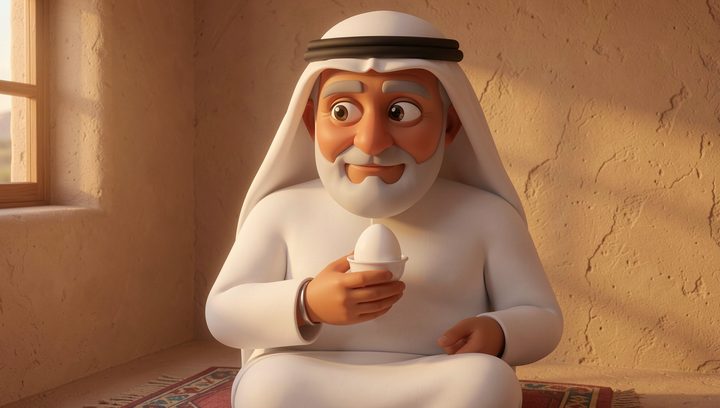
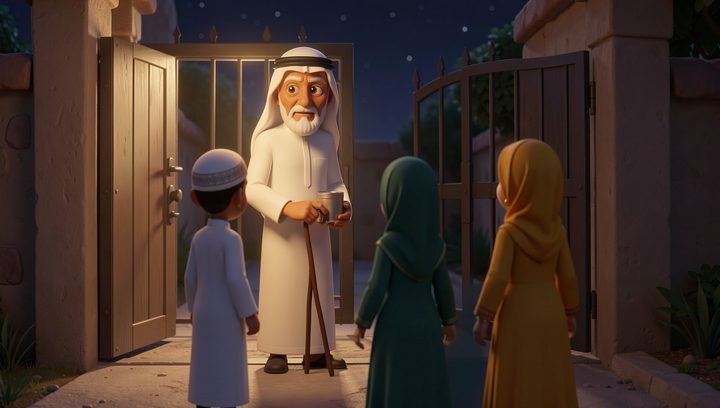
The shot asks for a grandfather holding a small coffee cup at his chest. Our own description of that cup called it “a tiny round bowl the size of an egg”, and the image model took the comparison literally: there is an egg sitting in the cup. It is a real mistake, of the kind “is something drawn wrong”. Five of the ten models flagged it. (A finjan, in their answers, is the small handleless coffee cup.)
| Model | Its verdict | What it wrote, asked whether the picture matches the shot |
|---|---|---|
| Qwen3-VL-8B, 16-bit | flagged ✓ | “NO, the grandfather is not holding a finjan but an egg in a cup.” |
| Qwen3.6-35B-A3B, 4-bit | flagged ✓ | “NO, the character is holding an egg in a cup, not a finjan, and lacks the walking stick and watch described.” |
| Molmo2-8B | passed ✗ | “YES. The image shows an Emirati grandfather seated on a floor cushion, wearing traditional white kandura and ghutra with a black agal. He's holding a small white finjan close to his chest, and there's a plain sand-coloured plaster wall behind him with warm…” |
| Gemma 4 31B, 4-bit | passed ✗ | “YES, matches the description of the man, clothing, and setting.” |
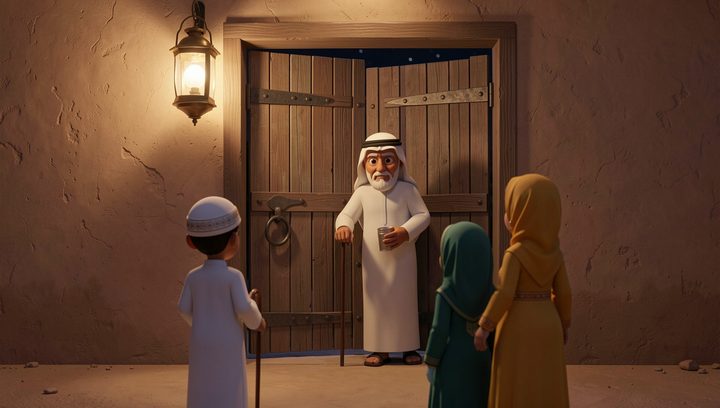
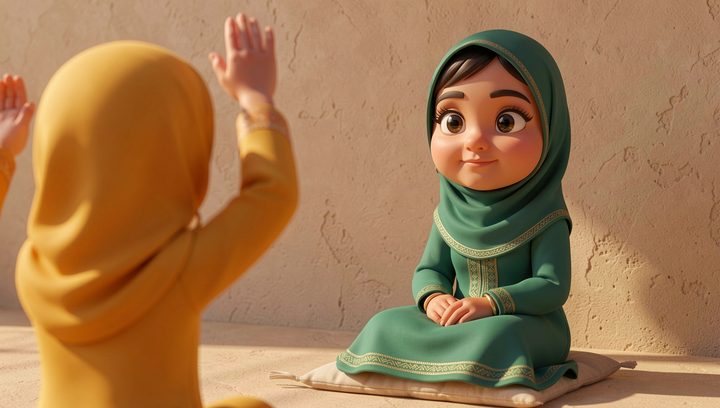
This shot has four people in it: a grandmother, a girl in green, a boy, and one girl in yellow. The picture has five. The girl in yellow was drawn twice and stands facing herself. Seven of the ten models flagged it.
| Model | Its verdict | What it wrote, asked whether the picture matches the shot |
|---|---|---|
| Gemma 4 26B-A4B, 4-bit | flagged ✓ | “NO, there are five people instead of four.” |
| Qwen3.8-27B, 8-bit | flagged ✓ | “NO, the scene depicts five people, not four.” |
| Qwen3.8-27B, 4-bit | passed ✗ | “YES, the scene accurately depicts the four individuals, their specific attire, and the setting as described.” |
| Qwen3-VL-32B, 4-bit | passed ✗ | “YES, the scene matches: the grandmother is present with the described mask, abaya, and henna; the setting is a stone step with palm fronds and lanterns; the other three children are dressed in traditional attire and positioned as described.” |
Look at the two Qwen3.8-27B rows. They are one model, saved at two levels of compression, and on this picture one of them said five people and the other said four.
Nothing is wrong with this one. The shot asks for five people in front of a crowd in a lane, and all five are there. Five of the ten models flagged it anyway.
| Model | Its verdict | What it wrote, asked whether the picture matches the shot |
|---|---|---|
| Gemma 4 26B-A4B, 4-bit | flagged ✗ | “NO, the characters are stylized 3D animations rather than realistic people.” |
| Qwen3-VL-8B, 16-bit | flagged ✗ | “NO, clothing and posture details don't match the description.” |
| Gemma 4 12B, 4-bit | passed ✓ | “YES, it shows the characters and setting described.” |
| Gemma 4 31B, 4-bit | passed ✓ | “YES, matches characters and setting.” |
One of them objected that the characters in an animated series looked animated. Each flag like that costs us a redraw of a picture that was fine.
How to read the scores
The picture has a mistake, and the checker flagged it.
The picture is fine, and the checker flagged it. We redraw it for nothing.
The picture has a mistake, and the checker passed it. The mistake reaches the episode.
The picture is fine, and the checker passed it.
Two questions come out of those boxes, and anyone making video with AI has reason to care about both. When this checker complains, how often is it right? A checker that does badly there sends good pictures back to be drawn again, which costs graphics-card time and does not always give a better picture. And of all the real mistakes, how many did it catch? A checker that does badly there lets mistakes into the finished episode. Engineers call the first precision and the second recall.
Neither is worth anything alone. Complain about everything and you catch every mistake while being right 40 times in a hundred, the figure from earlier. Complain about almost nothing and you are nearly always right, and nearly every mistake gets through.
One of the models did almost exactly that. On the questions of the kind “Does the picture make sense in the story?”, Qwen3.5-9B, 4-bit flagged 65 of the 65 cases. Only 42 of those 65 had a mistake in them, so flagging every one would have been right 65 times in a hundred, and Qwen3.5-9B, 4-bit was right 65 times in a hundred. No better than not looking. It caught nearly everything on that kind by complaining about nearly everything.
What the models scored
Scored on 13 October 2026 at 10:05 (UTC+4), over the three kinds of question that count. These are results so far. The right answers they are measured against are the ones our producing agents kept, and every score here is measured again once our director has given his own verdict on every shot.
On these results the most careful checker was Qwen3.8-27B, 8-bit. When it said a picture was wrong, it was right 76 times in a hundred. But it caught only 48 of every hundred real mistakes. The one that caught the most was Qwen3.5-9B, 4-bit, with 83 in a hundred, and it got there by complaining about 48 of every hundred pictures that had nothing wrong with them. No model was good at both.
One caution about the word caught. A catch here means the model flagged a picture that really has a mistake in it, whatever it said was wrong. These scores cannot tell a flag for the right reason from a flag for the wrong one. The six pictures after the tables show both.
Every figure so far, for anyone who wants them, in three small tables, so that each one fits the screen of a phone. “Good pictures flagged” is the share of pictures with nothing wrong that the model complained about, so lower is better there. Of the sixteen questions asked about pictures our director passed himself, fourteen are ones the answer key also calls correct, and the first of his two columns counts how many of those the model complained about; the other two are about pictures he passed on one point, the hidden face, where the answer key finds a real mistake on another, so a flag on those is a catch and is counted in the column beside it. Speed is how many small questions it answered a second on the card it ran on; the cards were not all the same, so treat it as a rough guide.
How often a complaint is right, and how many of the mistakes it catches
| Model | When it complains, right (in 100) | Real mistakes caught (in 100) | Good pictures flagged (in 100) |
|---|---|---|---|
| Gemma 4 12B, 4-bit | 55 | 54 | 29 |
| Gemma 4 26B-A4B, 4-bit | 59 | 53 | 24 |
| Gemma 4 31B, 4-bit | 58 | 58 | 27 |
| Molmo2-8B | 51 | 54 | 34 |
| Qwen3.8-27B, 4-bit | 72 | 50 | 12 |
| Qwen3-VL-32B, 4-bit | 55 | 70 | 38 |
| Qwen3-VL-8B, 16-bit | 55 | 70 | 38 |
| Qwen3.5-9B, 4-bit | 53 | 83 | 48 |
| Qwen3.6-35B-A3B, 4-bit | 57 | 58 | 29 |
| Qwen3.8-27B, 8-bit | 76 | 48 | 10 |
| A checker that flags every picture | 40 | 100 | 100 |
How far ahead of flagging every picture, and the card each model ran on
| Model | Right more often than flagging everything (points in 100) | Ran on |
|---|---|---|
| Gemma 4 12B, 4-bit | 16 | one RTX A5000 |
| Gemma 4 26B-A4B, 4-bit | 20 | one RTX PRO 6000 |
| Gemma 4 31B, 4-bit | 19 | one RTX PRO 6000 |
| Molmo2-8B | 11 | one RTX 5090 |
| Qwen3.8-27B, 4-bit | 33 | one RTX 5090 |
| Qwen3-VL-32B, 4-bit | 15 | one RTX 5090 |
| Qwen3-VL-8B, 16-bit | 15 | one RTX 5090 |
| Qwen3.5-9B, 4-bit | 14 | one RTX 5090 |
| Qwen3.6-35B-A3B, 4-bit | 18 | one RTX PRO 6000 |
| Qwen3.8-27B, 8-bit | 36 | two RTX 5090s |
| A checker that flags every picture | 0 | — |
The pictures our director passed, and how fast each model answers
| Model | Complaints about pictures our director passed | Catches on a picture he passed on another point | Questions answered a second |
|---|---|---|---|
| Gemma 4 12B, 4-bit | 8 of 14 | 0 of 2 | 3.2 |
| Gemma 4 26B-A4B, 4-bit | 2 of 14 | 0 of 2 | 3.1 |
| Gemma 4 31B, 4-bit | 3 of 14 | 0 of 2 | 3.3 |
| Molmo2-8B | 4 of 14 | 0 of 2 | 9.2 |
| Qwen3.8-27B, 4-bit | 4 of 14 | 1 of 2 | 3.8 |
| Qwen3-VL-32B, 4-bit | 4 of 14 | 1 of 2 | 4.6 |
| Qwen3-VL-8B, 16-bit | 3 of 14 | 0 of 2 | 13.8 |
| Qwen3.5-9B, 4-bit | 5 of 14 | 2 of 2 | 14.4 |
| Qwen3.6-35B-A3B, 4-bit | 3 of 14 | 1 of 2 | 6.7 |
| Qwen3.8-27B, 8-bit | 4 of 14 | 1 of 2 | 4.1 |
The last row of the first two tables is not a model. It is a checker that flags every picture: it catches every mistake, and it is right only 40 times in a hundred, because only 40 in a hundred of these cases really have a mistake.
This picture takes one kind of question at a time and names the model that has done best on it so far. It uses a single score that folds catching and false alarms together: nought is no better than chance, and one is perfect. Statisticians call it the Matthews correlation coefficient.
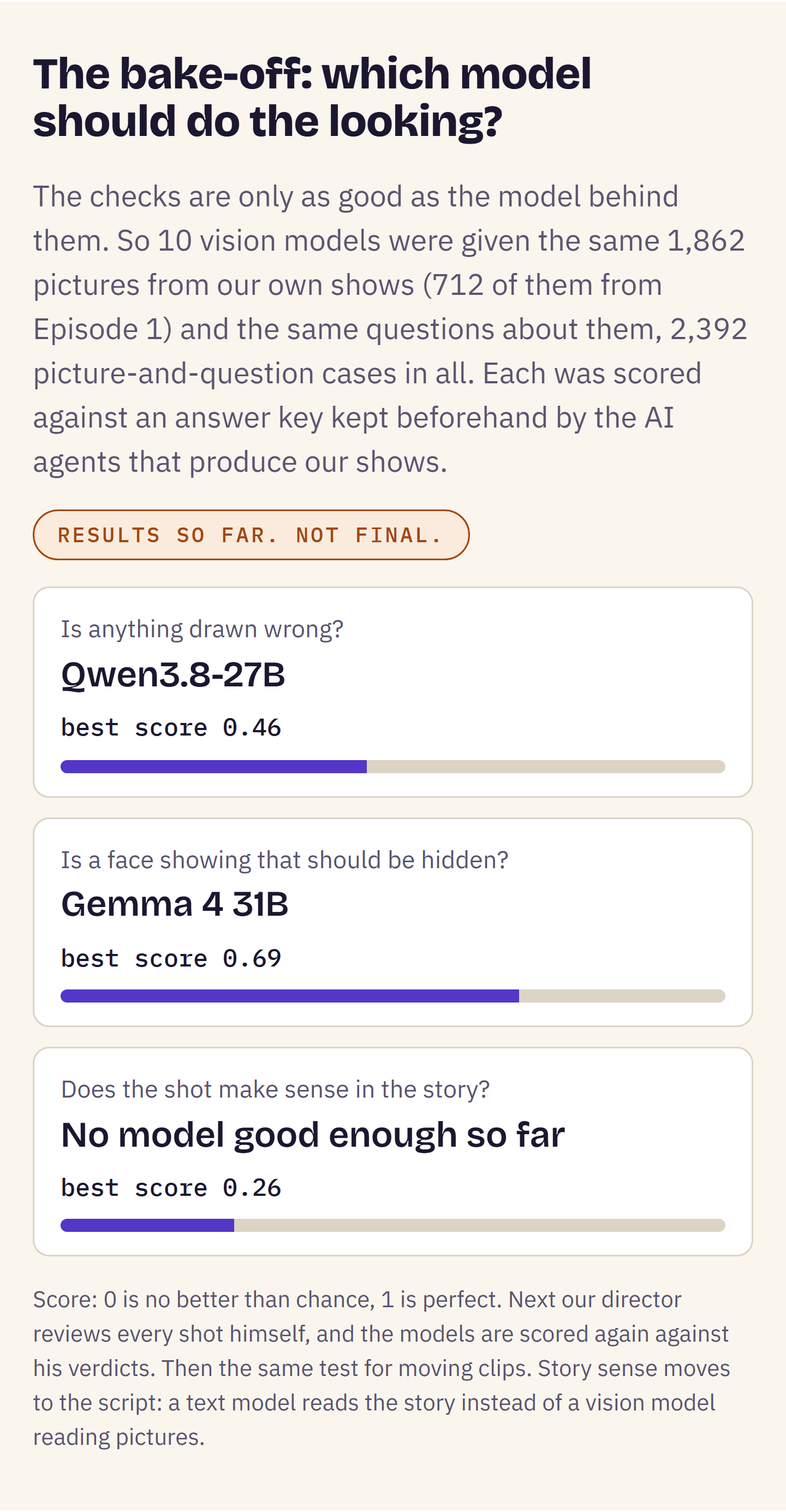
The two plain scores for each kind, so far (when it complains, right / real mistakes caught, each in a hundred):
| Model | Is something drawn wrong? | Does the picture make sense in the story? | Is a face showing that the shot keeps hidden? |
|---|---|---|---|
| Gemma 4 12B, 4-bit | 53 / 51 | 66 / 45 | 61 / 84 |
| Gemma 4 26B-A4B, 4-bit | 57 / 50 | 64 / 50 | 66 / 80 |
| Gemma 4 31B, 4-bit | 55 / 56 | 60 / 55 | 82 / 73 |
| Molmo2-8B | 55 / 50 | 66 / 45 | 37 / 93 |
| Qwen3.8-27B, 4-bit | 72 / 53 | 75 / 43 | 70 / 32 |
| Qwen3-VL-32B, 4-bit | 52 / 72 | 65 / 74 | 74 / 52 |
| Qwen3-VL-8B, 16-bit | 52 / 69 | 67 / 81 | 65 / 64 |
| Qwen3.5-9B, 4-bit | 50 / 82 | 65 / 100 | 69 / 70 |
| Qwen3.6-35B-A3B, 4-bit | 56 / 61 | 61 / 52 | 63 / 50 |
| Qwen3.8-27B, 8-bit | 76 / 53 | 82 / 43 | 56 / 20 |
We ran Qwen3.8-27B twice on purpose, compressed two ways, to see whether compression changes what a model sees. It does. At 8-bit it was right 76 times in a hundred when it complained and caught 48 of every hundred mistakes; at 4-bit, 72 and 50. So whatever form of a model we end up running is the form that has to be tested.
The 8-bit one also needed two graphics cards and was hardly faster for it (4.1 questions a second against 3.8 on one card). The second card was for memory: at 8-bit its weights alone take about 33 GB, more than one card can hold with room left to work.
We went in hoping to find something smaller than Qwen3.8-27B that checks as well. On these results we have not. Of the five smaller models, the one whose complaints were right most often was Gemma 4 26B-A4B, 4-bit, at 59 times in a hundred, against 76 for Qwen3.8-27B at its best, though all five of them caught more of the real mistakes. Which of them would fit a 16 GB card is something this test did not measure.
Six pictures, and what each of the ten models said
Here is the test one picture at a time. These six are from the first episode of Stories of Wulfa. For each of the three kinds of question that count there is one picture with a real mistake in it and one with nothing wrong. A rule chose them, with no regard to which models got them right, and it is written out in the notes at the foot of this post: of the pictures that fit, it takes the one the models were most evenly divided on.
Under each picture is what the shot asks for, what the answer key says about it and why, and then every model in turn: the box its verdict lands in, and the answer that decided that verdict, in the model’s own words.
One thing to watch for as you read them. A verdict is marked as a catch when the picture has a real mistake and the model flagged it, whatever the model complained about. So read the reasons. A model can flag the right picture for the wrong reason, and the scores above cannot tell the difference.
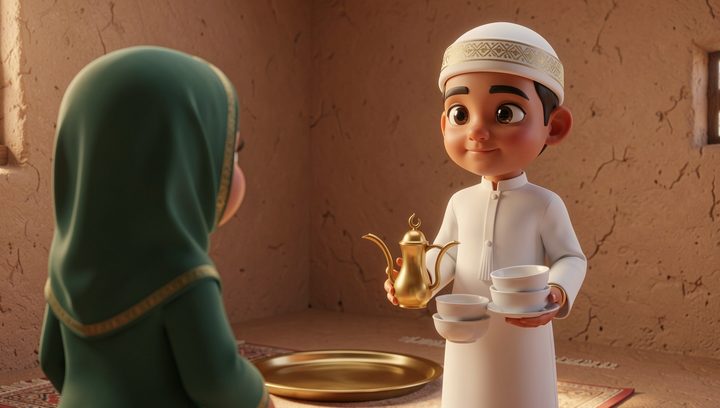
The shot asks for a boy standing in the family’s sitting room with a brass coffee pot in one hand and a single stack of small cups in the other. The picture has two stacks. He holds a saucer with a pair of cups on it, and a second pair sits apart from it, lower down. One object has been drawn twice.
What every model was told the shot shows begins like this: “Medium close-up of Emirati boy, 9, slim, oval face, warm olive-brown skin, thick straight black eyebrows, large dark-brown eyes, a small dark mole on his left cheek, short black hair showing at the temples; a clean white collarless ankle-length kandura with a…”
Besides the questions every picture gets, this one was asked a question of its own, word for word: “Are there two or more separate cup stacks in the picture, each apart from the others?”

The shot is a close view in the kitchen: a woman holds out a brass bowl in both hands and a man’s hand reaches into it. This one was kept as a check on hands. There are three in the picture and each is on its own arm: her two holding the bowl, his one reaching in from the right. Nothing is wrong with it.
What every model was told the shot shows begins like this: “Early evening, inside a kitchen. Close-up on the plain polished brass bowl held by Emirati woman, about 35, medium height and slim, an oval face with high cheekbones and warm olive-brown skin, straight dark eyebrows, calm dark-brown eyes with faint tiredness…”
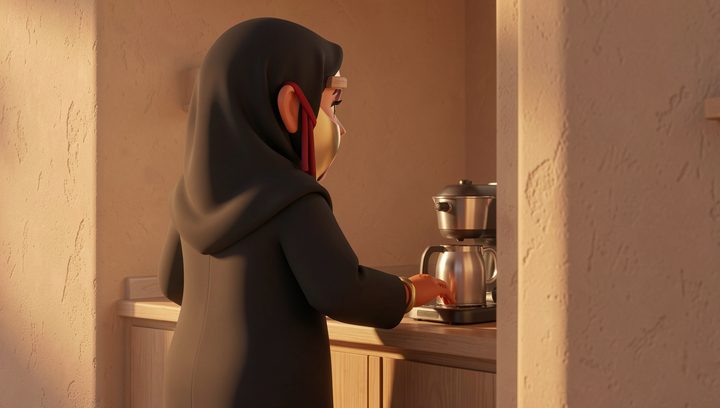
The shot is the family kitchen at dawn: the grandmother stands at the counter, seen from behind, making the morning coffee. The series is set in an older Emirati home, with plastered walls, wooden shelves, brass and clay, and nothing modern in it. On her counter stands a steel electric coffee machine with its jug. The answer key counts that as a mistake of period: the coffee is right for the scene, and the machine it is made in does not belong to the story’s world.
What every model was told the shot shows begins like this: “Dawn, interior kitchen doorway. Medium shot at standing eye height. Emirati grandmother, about 70, small and slightly stooped, soft round face, warm olive-brown skin with deep smile lines and crow's feet, kind dark-brown eyes; a stiff metallic gold-green…”
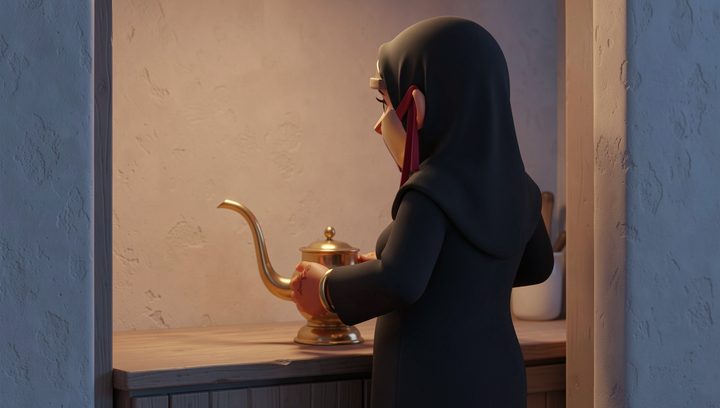
The next shot, in the same kitchen: the grandmother at the counter from behind, her hands on a brass coffee pot with the long curved spout of the region. The walls are plaster, the counter is wood, and a white jar of wooden spoons stands at the back. Nothing in it is out of its period, which is what this case was kept to check, and nothing is wrong with it.
What every model was told the shot shows begins like this: “Dawn, interior kitchen doorway. Medium shot at standing eye height. Emirati grandmother, about 70, small and slightly stooped, soft round face, warm olive-brown skin with deep smile lines and crow's feet, kind dark-brown eyes; a stiff metallic gold-green…”
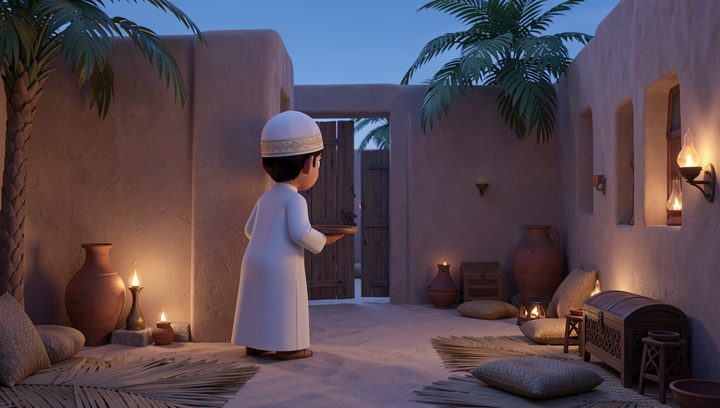
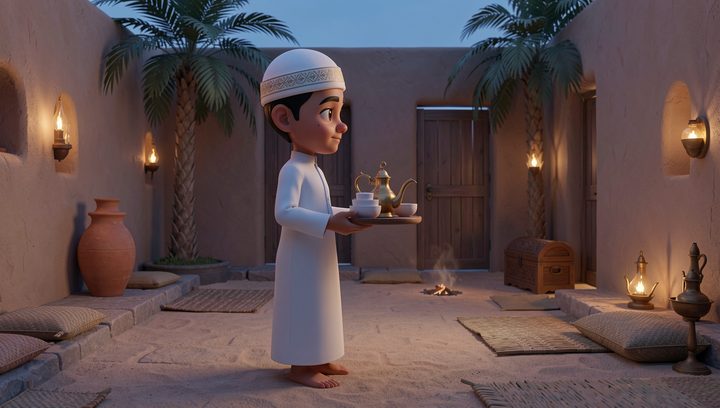
The shot shows a boy from behind, standing at the courtyard gate at dusk, and its description says his face is not in the picture. He is turned a little too far. Past the line of his cheek the tip of his nose shows. By our director’s standard a nose is a face however little of it there is, so this is a real mistake, and an easy one to miss.
What every model was told the shot shows begins like this: “Evening. Wide exterior shot of the courtyard at standing eye height. Exactly one person: Emirati boy, 9, slim, oval face, warm olive-brown skin, thick straight black eyebrows, large dark-brown eyes, a small dark mole on his left cheek, short black hair…”
Besides the questions every picture gets, this one was asked a question of its own, word for word: “Can you see any part of the boy's face — the mouth, nose, chin or eyes, even an eyelash or the edge of the face at the frame's edge?”
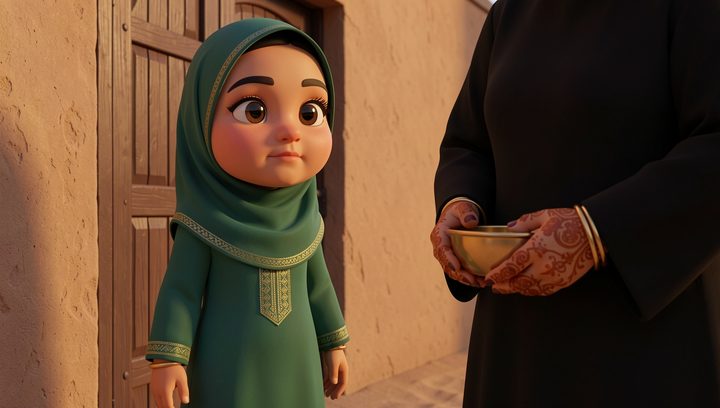
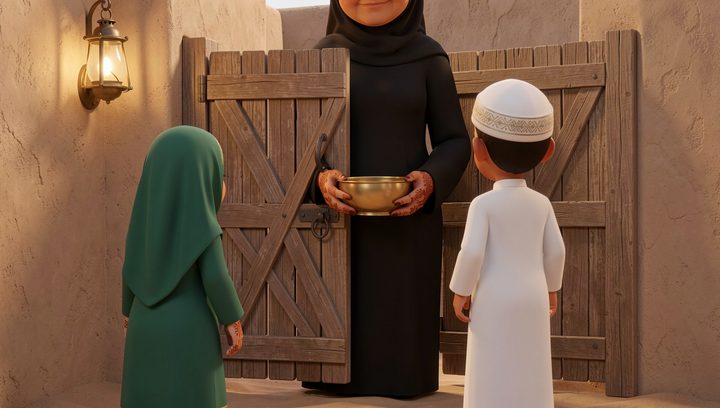
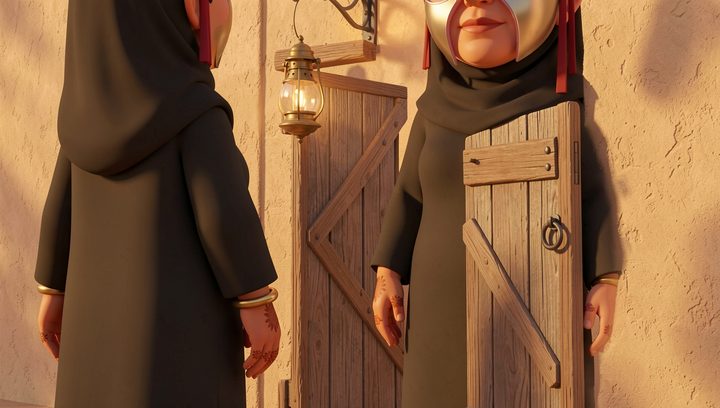
The shot shows a girl facing the camera and, at the right edge of the frame, a neighbour of whom only a black sleeve and hennaed hands holding a brass bowl are meant to be seen. The question is about the neighbour: does any part of her face show? It does not. The frame cuts her off below the chin and the top edge holds only black cloth. The girl’s face is there because the shot wants it there. Nothing is wrong with it.
What every model was told the shot shows begins like this: “Evening, exterior of a lane gate. Medium close-up of Emirati girl, 7, small, round face with full cheeks and dimples, warm olive-brown skin, large dark-brown eyes with long lashes, straight black eyebrows; a lightweight opaque emerald-green head covering with…”
Besides the questions every picture gets, this one was asked a question of its own, word for word: “Can you see any part of the neighbour's face — the mouth, nose, chin or eyes, even an eyelash or the edge of the face at the frame's edge?”
What surprised us, and what we got wrong
The first surprise, on the results so far, was how little daylight there is between these models and a checker that does no looking at all. Flag every picture and you are right 40 times in a hundred. The best of the ten was right 76, and eight of them were right sixty times in a hundred or fewer. Put the other way round: when a typical one of these models complains about a picture, the picture is fine about four times in ten.
The second was the story question. We had hoped a vision model could tell us whether a picture makes sense in the story: the right place, the right period, the right people. On the single score in the picture above, where nought is chance and one is perfect, the best any model has managed on that kind so far is 0.26. That is too weak to act on. So the story question is leaving the picture check. A text model will read the script, scene by scene, before anything is drawn; that check is being added now.
Then there is what we got wrong ourselves. Six of the ten models did not start the first time we tried them, and none of that was the models’ doing: each time, the software that loads a model onto a graphics card stopped before the model had answered a single question. Every one of them ran in the end. What we took from it: a model that has never been served on a card is not known to start on it, however good its published numbers are.
We also lost some of our own evidence along the way. When a model was tried again on the same card, its new run record replaced the old one, failed attempts and all, so the run records no longer hold three of those first failures. We recovered them from what else was kept at the time. Run records now keep every earlier attempt.
The last surprise came from asking twice. A checker that gives a different verdict on the same picture tomorrow cannot be the last word on anything, so two of the models were put through the whole test a second time: same pictures, same questions, nothing changed.
Gemma 4 26B-A4B, 4-bit gave a different answer the second time to about 12 in every hundred of the small questions. Its verdict on the whole picture still came out the same in 948 of the 980 cases that count.
Molmo2-8B gave a different answer the second time to about 8 in every hundred of the small questions. Its verdict on the whole picture still came out the same in 964 of the 980 cases that count.
A verdict is read from several small answers, so one of them changing does not always change it. A changed answer and a changed verdict are different things, and it took the second run to show us how different.
The pictures our director ruled on
These are the pictures that went in front of our director, with the answer every model gave. Twelve of them carry a ruling he gave himself: his eleven takes, with a take shown twice where the answer key holds two drawings of it. The rest are marked as what they are: two pictures he has not ruled on yet, and one picture that a producer passed by the same reasoning as one of his rulings. A picture is often asked more than one question, so some have several rows. A tick means the model agreed with the answer key and a cross means it did not. The ruling under a picture can be about something none of its questions asked: it says what he judged, and each row is one question the checkers were asked.
Count the rows under the pictures he passed and there are sixteen. Fourteen have “nothing wrong” as their right answer. The other two say “a real mistake, on another point than the one he passed”, and a flag on one of those is a catch.
| Question | The right answer | What each model answered |
|---|---|---|
| The shot shows this person from behind. Does any part of a face show anyway? Kind: “Is a face showing that the shot keeps hidden?” | nothing wrong |
flagged ✗ Gemma 4 12B, 4-bit; Gemma 4 26B-A4B, 4-bit; Molmo2-8B; Qwen3.8-27B, 4-bit; Qwen3-VL-8B, 16-bit; Qwen3.6-35B-A3B, 4-bit; Qwen3.8-27B, 8-bit
passed ✓ Gemma 4 31B, 4-bit; Qwen3-VL-32B, 4-bit; Qwen3.5-9B, 4-bit
|
| Question | The right answer | What each model answered |
|---|---|---|
| Does the picture show what the shot asks for? (shown only: this kind does not count) | nothing wrong |
flagged ✗ Gemma 4 12B, 4-bit; Gemma 4 26B-A4B, 4-bit; Qwen3-VL-32B, 4-bit; Qwen3-VL-8B, 16-bit; Qwen3.5-9B, 4-bit
passed ✓ Gemma 4 31B, 4-bit; Molmo2-8B; Qwen3.8-27B, 4-bit; Qwen3.6-35B-A3B, 4-bit; Qwen3.8-27B, 8-bit
|
| Question | The right answer | What each model answered |
|---|---|---|
| Does the picture show what the shot asks for? (shown only: this kind does not count) | nothing wrong |
flagged ✗ Gemma 4 12B, 4-bit; Gemma 4 31B, 4-bit; Qwen3.8-27B, 4-bit; Qwen3-VL-32B, 4-bit; Qwen3.5-9B, 4-bit; Qwen3.8-27B, 8-bit
passed ✓ Gemma 4 26B-A4B, 4-bit; Molmo2-8B; Qwen3-VL-8B, 16-bit; Qwen3.6-35B-A3B, 4-bit
|
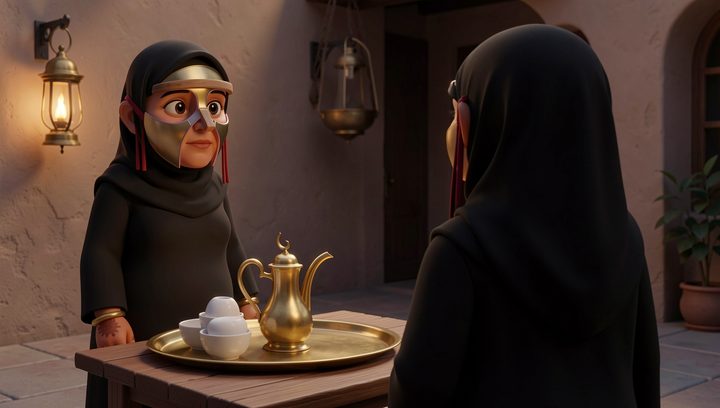
| Question | The right answer | What each model answered |
|---|---|---|
| The shot shows this person from behind. Does any part of a face show anyway? Kind: “Is a face showing that the shot keeps hidden?” | nothing wrong |
flagged ✗ Gemma 4 12B, 4-bit
passed ✓ Gemma 4 26B-A4B, 4-bit; Gemma 4 31B, 4-bit; Molmo2-8B; Qwen3.8-27B, 4-bit; Qwen3-VL-32B, 4-bit; Qwen3-VL-8B, 16-bit; Qwen3.5-9B, 4-bit; Qwen3.6-35B-A3B, 4-bit; Qwen3.8-27B, 8-bit
|
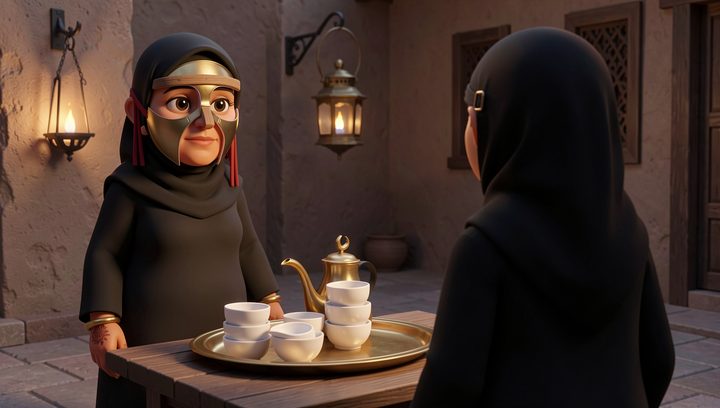
| Question | The right answer | What each model answered |
|---|---|---|
| The shot shows this person from behind. Does any part of a face show anyway? Kind: “Is a face showing that the shot keeps hidden?” | nothing wrong |
flagged ✗ Gemma 4 12B, 4-bit; Molmo2-8B
passed ✓ Gemma 4 26B-A4B, 4-bit; Gemma 4 31B, 4-bit; Qwen3.8-27B, 4-bit; Qwen3-VL-32B, 4-bit; Qwen3-VL-8B, 16-bit; Qwen3.5-9B, 4-bit; Qwen3.6-35B-A3B, 4-bit; Qwen3.8-27B, 8-bit
|
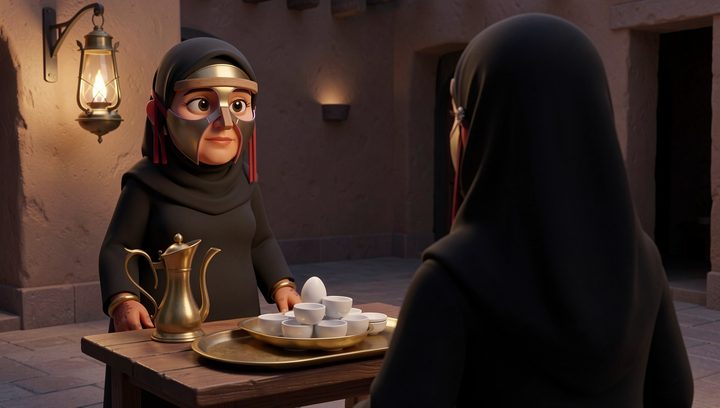
| Question | The right answer | What each model answered |
|---|---|---|
| The shot shows this person from behind. Does any part of a face show anyway? Kind: “Is a face showing that the shot keeps hidden?” | nothing wrong |
passed ✓ Gemma 4 12B, 4-bit; Gemma 4 26B-A4B, 4-bit; Gemma 4 31B, 4-bit; Molmo2-8B; Qwen3.8-27B, 4-bit; Qwen3-VL-32B, 4-bit; Qwen3-VL-8B, 16-bit; Qwen3.5-9B, 4-bit; Qwen3.6-35B-A3B, 4-bit; Qwen3.8-27B, 8-bit
|
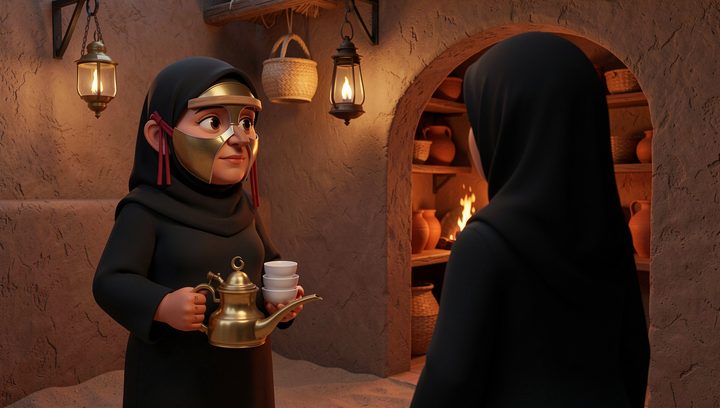
| Question | The right answer | What each model answered |
|---|---|---|
| The shot shows this person from behind. Does any part of a face show anyway? Kind: “Is a face showing that the shot keeps hidden?” | nothing wrong |
passed ✓ Gemma 4 12B, 4-bit; Gemma 4 26B-A4B, 4-bit; Gemma 4 31B, 4-bit; Molmo2-8B; Qwen3.8-27B, 4-bit; Qwen3-VL-32B, 4-bit; Qwen3-VL-8B, 16-bit; Qwen3.5-9B, 4-bit; Qwen3.6-35B-A3B, 4-bit; Qwen3.8-27B, 8-bit
|
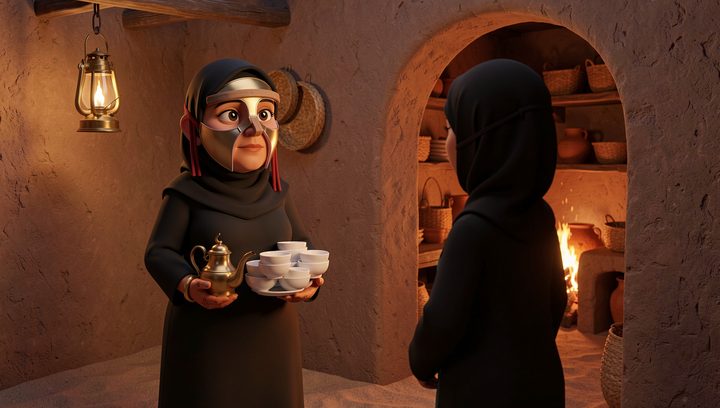
| Is each person drawn as they should look? (shown only: this kind does not count) | nothing wrong |
flagged ✗ Gemma 4 12B, 4-bit
passed ✓ Gemma 4 26B-A4B, 4-bit; Gemma 4 31B, 4-bit; Molmo2-8B; Qwen3.8-27B, 4-bit; Qwen3-VL-32B, 4-bit; Qwen3-VL-8B, 16-bit; Qwen3.5-9B, 4-bit; Qwen3.6-35B-A3B, 4-bit; Qwen3.8-27B, 8-bit
|
| Question | The right answer | What each model answered |
|---|---|---|
| The shot shows this person from behind. Does any part of a face show anyway? Kind: “Is a face showing that the shot keeps hidden?” | nothing wrong |
passed ✓ Gemma 4 12B, 4-bit; Gemma 4 26B-A4B, 4-bit; Gemma 4 31B, 4-bit; Molmo2-8B; Qwen3.8-27B, 4-bit; Qwen3-VL-32B, 4-bit; Qwen3-VL-8B, 16-bit; Qwen3.5-9B, 4-bit; Qwen3.6-35B-A3B, 4-bit; Qwen3.8-27B, 8-bit
|
| Is each person drawn as they should look? (shown only: this kind does not count) | a real mistake, on another point than the one he passed |
flagged ✓ Qwen3.5-9B, 4-bit
passed ✗ Gemma 4 12B, 4-bit; Gemma 4 26B-A4B, 4-bit; Gemma 4 31B, 4-bit; Molmo2-8B; Qwen3.8-27B, 4-bit; Qwen3-VL-32B, 4-bit; Qwen3-VL-8B, 16-bit; Qwen3.6-35B-A3B, 4-bit; Qwen3.8-27B, 8-bit
|
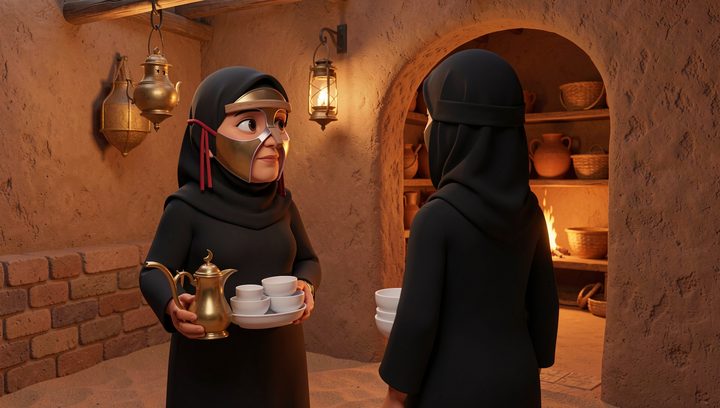
| Question | The right answer | What each model answered |
|---|---|---|
| The shot shows this person from behind. Does any part of a face show anyway? Kind: “Is a face showing that the shot keeps hidden?” | nothing wrong |
passed ✓ Gemma 4 12B, 4-bit; Gemma 4 26B-A4B, 4-bit; Gemma 4 31B, 4-bit; Molmo2-8B; Qwen3.8-27B, 4-bit; Qwen3-VL-32B, 4-bit; Qwen3-VL-8B, 16-bit; Qwen3.5-9B, 4-bit; Qwen3.6-35B-A3B, 4-bit; Qwen3.8-27B, 8-bit
|
| Is each person drawn as they should look? (shown only: this kind does not count) | nothing wrong |
flagged ✗ Gemma 4 12B, 4-bit; Gemma 4 31B, 4-bit; Qwen3.8-27B, 4-bit; Qwen3-VL-32B, 4-bit; Qwen3.5-9B, 4-bit; Qwen3.6-35B-A3B, 4-bit; Qwen3.8-27B, 8-bit
passed ✓ Gemma 4 26B-A4B, 4-bit; Molmo2-8B; Qwen3-VL-8B, 16-bit
|
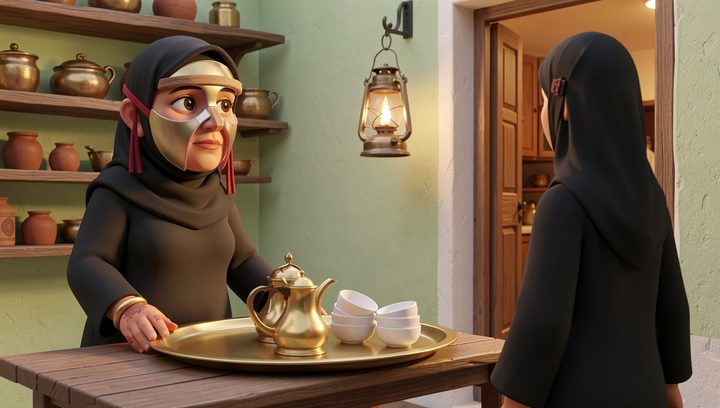
| Question | The right answer | What each model answered |
|---|---|---|
| The shot shows this person from behind. Does any part of a face show anyway? Kind: “Is a face showing that the shot keeps hidden?” | nothing wrong |
flagged ✗ Molmo2-8B
passed ✓ Gemma 4 12B, 4-bit; Gemma 4 26B-A4B, 4-bit; Gemma 4 31B, 4-bit; Qwen3.8-27B, 4-bit; Qwen3-VL-32B, 4-bit; Qwen3-VL-8B, 16-bit; Qwen3.5-9B, 4-bit; Qwen3.6-35B-A3B, 4-bit; Qwen3.8-27B, 8-bit
|
| Is each person drawn as they should look? (shown only: this kind does not count) | a real mistake, on another point than the one he passed |
flagged ✓ Qwen3.8-27B, 4-bit; Qwen3-VL-32B, 4-bit; Qwen3.5-9B, 4-bit; Qwen3.6-35B-A3B, 4-bit; Qwen3.8-27B, 8-bit
passed ✗ Gemma 4 12B, 4-bit; Gemma 4 26B-A4B, 4-bit; Gemma 4 31B, 4-bit; Molmo2-8B; Qwen3-VL-8B, 16-bit
|
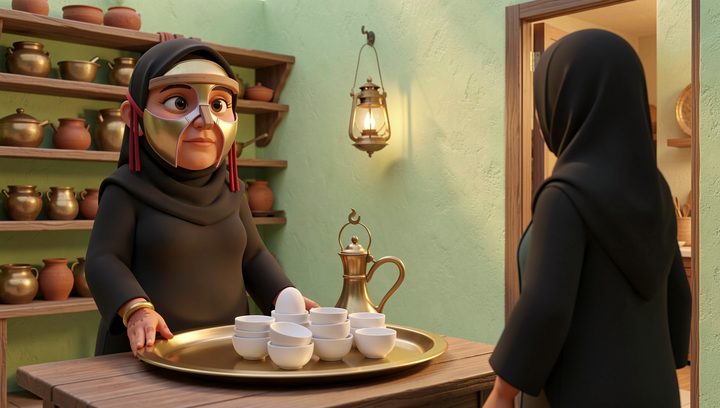
| Question | The right answer | What each model answered |
|---|---|---|
| Is each person drawn as they should look? (shown only: this kind does not count) | nothing wrong |
flagged ✗ Gemma 4 31B, 4-bit; Qwen3.8-27B, 4-bit; Qwen3-VL-32B, 4-bit; Qwen3-VL-8B, 16-bit; Qwen3.5-9B, 4-bit; Qwen3.6-35B-A3B, 4-bit; Qwen3.8-27B, 8-bit
passed ✓ Gemma 4 12B, 4-bit; Gemma 4 26B-A4B, 4-bit; Molmo2-8B
|
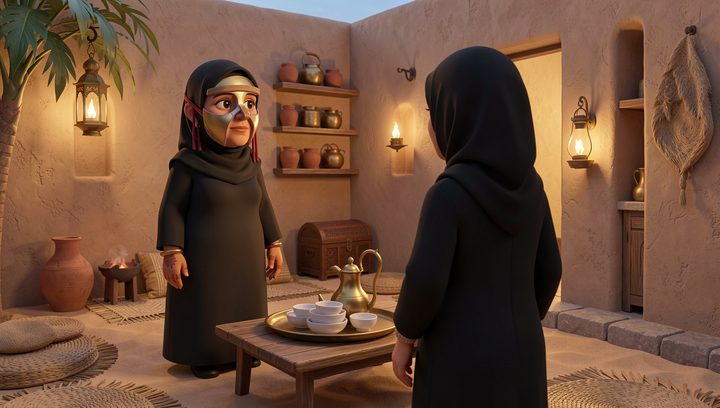
| Question | The right answer | What each model answered |
|---|---|---|
| Is each person drawn as they should look? (shown only: this kind does not count) | nothing wrong |
flagged ✗ Gemma 4 12B, 4-bit; Molmo2-8B; Qwen3.5-9B, 4-bit
passed ✓ Gemma 4 26B-A4B, 4-bit; Gemma 4 31B, 4-bit; Qwen3.8-27B, 4-bit; Qwen3-VL-32B, 4-bit; Qwen3-VL-8B, 16-bit; Qwen3.6-35B-A3B, 4-bit; Qwen3.8-27B, 8-bit
|
| Question | The right answer | What each model answered |
|---|---|---|
| Is the same object drawn twice? Kind: “Is something drawn wrong?” | a real mistake |
passed ✗ Gemma 4 12B, 4-bit; Gemma 4 26B-A4B, 4-bit; Gemma 4 31B, 4-bit; Molmo2-8B; Qwen3.8-27B, 4-bit; Qwen3-VL-32B, 4-bit; Qwen3-VL-8B, 16-bit; Qwen3.5-9B, 4-bit; Qwen3.6-35B-A3B, 4-bit; Qwen3.8-27B, 8-bit
|
| Question | The right answer | What each model answered |
|---|---|---|
| Does the picture show what the shot asks for? Kind: “Is something drawn wrong?” | a real mistake |
flagged ✓ Qwen3-VL-32B, 4-bit; Qwen3-VL-8B, 16-bit; Qwen3.5-9B, 4-bit
passed ✗ Gemma 4 12B, 4-bit; Gemma 4 26B-A4B, 4-bit; Gemma 4 31B, 4-bit; Molmo2-8B; Qwen3.8-27B, 4-bit; Qwen3.6-35B-A3B, 4-bit; Qwen3.8-27B, 8-bit
|
| Question | The right answer | What each model answered |
|---|---|---|
| Is each person drawn as they should look? (shown only: this kind does not count) | a real mistake |
flagged ✓ Molmo2-8B; Qwen3.8-27B, 4-bit; Qwen3.5-9B, 4-bit; Qwen3.8-27B, 8-bit
passed ✗ Gemma 4 12B, 4-bit; Gemma 4 26B-A4B, 4-bit; Gemma 4 31B, 4-bit; Qwen3-VL-32B, 4-bit; Qwen3-VL-8B, 16-bit; Qwen3.6-35B-A3B, 4-bit
|
| The shot shows this person from behind. Does any part of a face show anyway? Kind: “Is a face showing that the shot keeps hidden?” | nothing wrong |
passed ✓ Gemma 4 12B, 4-bit; Gemma 4 26B-A4B, 4-bit; Gemma 4 31B, 4-bit; Molmo2-8B; Qwen3.8-27B, 4-bit; Qwen3-VL-32B, 4-bit; Qwen3-VL-8B, 16-bit; Qwen3.5-9B, 4-bit; Qwen3.6-35B-A3B, 4-bit; Qwen3.8-27B, 8-bit
|
Where the models disagree
In 947 cases the models did not all give the same answer. Here are five of them, a few from each kind of question that counts, with what every model wrote. Two of its answers are shown. The first is whether the picture matches the shot, which is one of the small questions and not the whole verdict, so a model can say the picture matches and still flag it, or the other way round. The second, whether the picture makes sense in the story, was asked separately and counts in no score. The face questions are asked in a numbered form that reads poorly, so for them only the second answer is shown. Where the answer shown points the other way from the verdict, the row says so.
| Model | Its verdict | What it answered, in its own words |
|---|---|---|
| Gemma 4 12B, 4-bit | passed ✓ | Matches the shot? YES, it matches the scene. Makes sense in the story? YES |
| Gemma 4 26B-A4B, 4-bit | passed ✓ | Matches the shot? YES, the boy and setting match the description. Makes sense in the story? YES |
| Gemma 4 31B, 4-bit | passed ✓ | Matches the shot? YES, matches the description perfectly. Makes sense in the story? YES |
| Molmo2-8B | flagged ✗ | Matches the shot? YES. The image shows an Emirati boy in a courtyard, wearing a kandura and embroidered skullcap, holding a tray with a brass coffee pot and finjans, matching the description. Makes sense in the story? YES. The picture makes sense for the story. The Emirati boy is in the correct setting of a family courtyard, holding a tray with a coffee pot and finjans, which is consistent with serving Arabic coffee. The traditional attire, barefoot stance, and the… Its verdict was decided by another of its small answers, which is not shown here. |
| Qwen3.8-27B, 4-bit | passed ✓ | Matches the shot? YES, the image perfectly matches the detailed description of the boy, his attire, and the courtyard setting. Makes sense in the story? YES |
| Qwen3-VL-32B, 4-bit | passed ✓ | Matches the shot? YES, the boy matches the description in appearance, clothing, and pose, holding the tray with coffee pot and finjans in a courtyard setting at evening. Makes sense in the story? (cut off) |
| Qwen3-VL-8B, 16-bit | flagged ✗ | Matches the shot? NO, the boy is not barefoot on stone floor, and the tray holds tea set, not coffee pot and finjans. Makes sense in the story? YES |
| Qwen3.5-9B, 4-bit | flagged ✗ | Matches the shot? NO, the scene shows a single boy in traditional attire holding a tray, matching the description of an Emirati boy in a kandura and skullcap. Makes sense in the story? NO. The boy is holding the tray in his right hand, not his left as described. Also, the coffee pot has a spout that curves upward, not a long curved beak spout as specified. Additionally, the finjans are not stacked but placed side by side on the tray. |
| Qwen3.6-35B-A3B, 4-bit | flagged ✗ | Matches the shot? YES, the image matches the scene description of the Emirati boy in the courtyard. Makes sense in the story? YES Its verdict was decided by another of its small answers, which is not shown here. |
| Qwen3.8-27B, 8-bit | passed ✓ | Matches the shot? YES, the image perfectly matches the detailed description of the boy, his attire, and the setting. Makes sense in the story? YES |
| Model | Its verdict | What it answered, in its own words |
|---|---|---|
| Gemma 4 12B, 4-bit | passed ✗ | Matches the shot? YES, it matches the description. Makes sense in the story? NO. The character is not tall and lean with slightly rounded shoulders; he is depicted as having a rounder, heavier build. |
| Gemma 4 26B-A4B, 4-bit | flagged ✓ | Matches the shot? NO, the man is not tall/lean and has no walking stick or wristwatch. Makes sense in the story? YES |
| Gemma 4 31B, 4-bit | passed ✗ | Matches the shot? YES, matches the description of the man, clothing, and setting. Makes sense in the story? YES |
| Molmo2-8B | passed ✗ | Matches the shot? YES. The image shows an Emirati grandfather seated on a floor cushion, wearing traditional white kandura and ghutra with a black agal. He's holding a small white finjan close to his chest, and there's a plain sand-coloured plaster wall behind him with warm… Makes sense in the story? YES. The picture makes sense for the story. The Emirati grandfather is seated on a floor cushion, holding a small white porcelain finjan close to his chest. The setting appears to be a simple room with a plain wall and warm window light, which is consistent… |
| Qwen3.8-27B, 4-bit | passed ✗ | Matches the shot? YES, the character's attire, physical features, and the specific action of holding a finjan match the description perfectly. Makes sense in the story? NO. The character is holding an egg in a small bowl, not a finjan. |
| Qwen3-VL-32B, 4-bit | flagged ✓ | Matches the shot? NO — The character is not turned three-quarters toward the left, his eyes are not looking left, he lacks a walking stick and tassel, and the finjan is held differently; also, the kandura appears sleeveless and without a collar, differing from the described… Makes sense in the story? (cut off) |
| Qwen3-VL-8B, 16-bit | flagged ✓ | Matches the shot? NO, the grandfather is not holding a finjan but an egg in a cup. Makes sense in the story? (cut off) |
| Qwen3.5-9B, 4-bit | flagged ✓ | Matches the shot? NO Makes sense in the story? NO The character is missing the walking stick and the silver wristwatch described in the scene. |
| Qwen3.6-35B-A3B, 4-bit | flagged ✓ | Matches the shot? NO, the character is holding an egg in a cup, not a finjan, and lacks the walking stick and watch described. Makes sense in the story? NO. The character is holding an egg in a cup, not a finjan. |
| Qwen3.8-27B, 8-bit | passed ✗ | Matches the shot? YES, the character's attire, physical features, and the specific action of holding the finjan match the description perfectly. Makes sense in the story? (cut off) |
| Model | Its verdict | What it answered, in its own words |
|---|---|---|
| Gemma 4 12B, 4-bit | passed ✓ | Matches the shot? YES, it matches the description. Makes sense in the story? YES |
| Gemma 4 26B-A4B, 4-bit | passed ✓ | Matches the shot? YES, the description matches the boy, his clothing, and the setting. Makes sense in the story? YES |
| Gemma 4 31B, 4-bit | passed ✓ | Matches the shot? YES, matches all details. Makes sense in the story? YES |
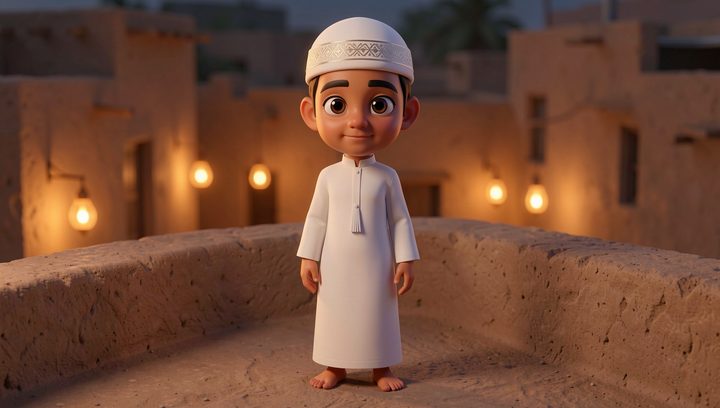
| Molmo2-8B | flagged ✗ | Matches the shot? YES. The picture accurately depicts an Emirati boy on a flat roof, wearing traditional white attire including a kandura and embroidered skullcap, with the described features and background elements. Makes sense in the story? YES. The picture makes sense for the story. The scene depicts an Emirati boy on a flat roof, wearing traditional attire including a kandura and embroidered skullcap, which is appropriate for the setting. The warm, low light and blurred background of oil lamps… Its verdict was decided by another of its small answers, which is not shown here. |
| Qwen3.8-27B, 4-bit | passed ✓ | Matches the shot? YES, the visual elements of the character, attire, and setting perfectly align with the provided description. Makes sense in the story? YES |
| Qwen3-VL-32B, 4-bit | passed ✓ | Matches the shot? YES, the boy’s appearance, clothing, and setting match the scene description exactly, including the warm lighting, mud plaster roof, and background lamps. Makes sense in the story? YES. The picture matches the scene described: the boy is Emirati, dressed in a white kandura and skullcap, barefoot, standing on a flat mud-plaster roof with a low parapet, and the background shows warm, blurred lights consistent with oil lamps in a lane… |
| Qwen3-VL-8B, 16-bit | passed ✓ | Matches the shot? YES, the boy matches the description exactly. Makes sense in the story? YES |
| Qwen3.5-9B, 4-bit | flagged ✗ | Matches the shot? NO, the boy has no mole on his cheek and the background lacks the specific oil lamps and palm tree described. Makes sense in the story? YES |
| Qwen3.6-35B-A3B, 4-bit | passed ✓ | Matches the shot? YES, the image matches the detailed description of the Emirati boy, his attire, and the evening setting on the mud roof. Makes sense in the story? YES |
| Qwen3.8-27B, 8-bit | passed ✓ | Matches the shot? YES, the visual elements of the boy's attire, physical features, and the specific architectural setting align perfectly with the description. Makes sense in the story? YES |
| Model | Its verdict | What it answered, in its own words |
|---|---|---|
| Gemma 4 12B, 4-bit | passed ✓ | Matches the shot? YES, it shows the girl in green and the girl in yellow. Makes sense in the story? YES |
| Gemma 4 26B-A4B, 4-bit | passed ✓ | Matches the shot? YES, the girl in green matches the description perfectly. Makes sense in the story? YES |
| Gemma 4 31B, 4-bit | flagged ✗ | Matches the shot? NO, there are two faces in frame. Makes sense in the story? NO. The scene states the girl in green should be the only face in frame, but another person is visible. |
| Molmo2-8B | passed ✓ | Matches the shot? YES. The picture shows two young girls in traditional Emirati attire, seated on a floor cushion. The girl facing the camera matches the description of the 7-year-old Emirati girl with the emerald-green head covering and dress. The other girl, wearing yellow,… Makes sense in the story? (cut off) |
| Qwen3.8-27B, 4-bit | passed ✓ | Matches the shot? YES, the visual details of the characters' attire, features, and setting align perfectly with the description. Makes sense in the story? YES |
| Qwen3-VL-32B, 4-bit | flagged ✗ | Matches the shot? NO — The girl in yellow is shown from behind and not facing the camera, and the girl in green is not the only face in frame; the scene description includes details not fully matched, such as the girl in yellow’s face not being visible. Makes sense in the story? (cut off) |
| Qwen3-VL-8B, 16-bit | flagged ✗ | Matches the shot? NO, the girl in yellow is not described as wearing a hijab or dress matching the description. Makes sense in the story? (cut off) |
| Qwen3.5-9B, 4-bit | flagged ✗ | Matches the shot? NO Makes sense in the story? YES |
| Qwen3.6-35B-A3B, 4-bit | passed ✓ | Matches the shot? YES, the description matches the visual details of the two Emirati girls and their attire. Makes sense in the story? YES |
| Qwen3.8-27B, 8-bit | passed ✓ | Matches the shot? YES, the visual details of the girl's attire, features, and the setting align perfectly with the description. Makes sense in the story? (cut off) |
| Model | Its verdict | What it answered, in its own words |
|---|---|---|
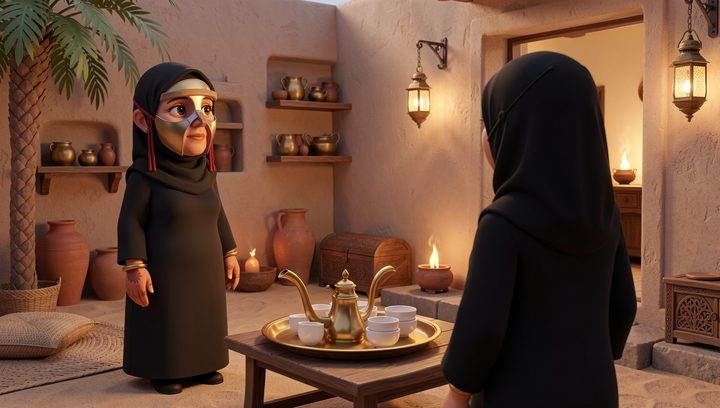
| Gemma 4 12B, 4-bit | flagged ✓ | Makes sense in the story? NO. The scene description says the woman on the left is seen only from the chest down with her head out of frame, but her head is visible in the picture. Its verdict was decided by another of its small answers, which is not shown here. |
| Gemma 4 26B-A4B, 4-bit | flagged ✓ | Makes sense in the story? NO. The scene describes one woman (the Emirati woman) seen only from the chest down, while the picture shows two women. Its verdict was decided by another of its small answers, which is not shown here. |
| Gemma 4 31B, 4-bit | flagged ✓ | Makes sense in the story? NO. The scene specifies the first woman should be seen only from the chest down with her head out of frame, but the image shows her full upper body including her head. Its verdict was decided by another of its small answers, which is not shown here. |
| Molmo2-8B | flagged ✓ | Makes sense in the story? YES. The picture makes sense for the story. The scene depicts an Emirati woman and grandmother at a gate, which fits the setting. The woman's appearance, including her abaya, henna, and bangles, is consistent with an Emirati woman. The grandmother's… Its verdict was decided by another of its small answers, which is not shown here. |
| Qwen3.8-27B, 4-bit | passed ✗ | Makes sense in the story? YES Its verdict was decided by another of its small answers, which is not shown here. |
| Qwen3-VL-32B, 4-bit | flagged ✓ | Makes sense in the story? (cut off) Its verdict was decided by another of its small answers, which is not shown here. |
| Qwen3-VL-8B, 16-bit | flagged ✓ | Makes sense in the story? (cut off) Its verdict was decided by another of its small answers, which is not shown here. |
| Qwen3.5-9B, 4-bit | flagged ✓ | Makes sense in the story? NO. The scene describes a woman seen only from the chest down, but the picture shows two women from the waist up, including their faces and heads. Its verdict was decided by another of its small answers, which is not shown here. |
| Qwen3.6-35B-A3B, 4-bit | flagged ✓ | Makes sense in the story? NO. The picture shows the grandmother's face and head, but the scene explicitly states her head and face are out of the frame. Its verdict was decided by another of its small answers, which is not shown here. |
| Qwen3.8-27B, 8-bit | passed ✗ | Makes sense in the story? (cut off) Its verdict was decided by another of its small answers, which is not shown here. |
What happens next
Nothing above is the last word. Every score so far is measured against an answer key kept by the AI agents that produce our shows, and the next step is a person. Our director is going to watch every shot himself and give his own verdict on each. The ten models do not have to run again for that, because every answer each of them gave is kept; they are scored a second time, against his verdicts, and this post is updated with what changes.
After that comes the same kind of test on moving clips, where a checker has to read every frame of a clip where here it read one picture. It has not produced a result yet.
Ten models, 2,392 cases, scored on 13 October 2026. Results so far.
He watches every shot and gives his verdict. The models’ kept answers are scored again against it. Next.
The same kind of test, on every frame of a clip. After that. No result yet.
So, in plain words. What we know so far, on our own pictures and against our agents’ answer key: no model was both the most accurate when it complained and the best at catching mistakes; and eight of the ten were right sixty times in a hundred or fewer when they complained, where flagging every picture is right 40 times. What we do not know yet: how each model scores against our director’s own verdicts, and how any of them does on a moving clip. Those two results are what this post is waiting for, and until they are in we have not settled on any of these models.
Notes
How the six pictures shown one at a time were picked. From the first episode of Stories of Wulfa we took every case on which the models disagreed and every one of the ten gave a verdict. For each kind of question that counts, and for each right answer (a real mistake, or nothing wrong), the rule takes the case that divided the models most evenly; where two are level it takes the one whose case number comes first. It skips a case this post already shows somewhere else. It also skips a picture the answer key holds a second time with the opposite answer, so that nothing is shown as clean which the key calls a mistake on another question.
One picture the rule reached was set aside after we looked at it, because it has a plainly visible mistake of another kind that the answer key holds no case for: two stacks of cups where the shot has one. It has gone back to the keepers of the answer key as a gap in it.
Outside the pictures our director ruled on, the clean pictures on the hidden-face question hardly divided the models. On no such case from that episode did more than two of the ten models break from the rest, and on the one shown one did. One of his pictures divided them more on this question, and it is in his section above: shot 87, take 1, which seven of the ten flagged.
Quick Search Our Blogs
Type in keywords and get instant access to related blog posts.

